

By Daniel Hautzinger
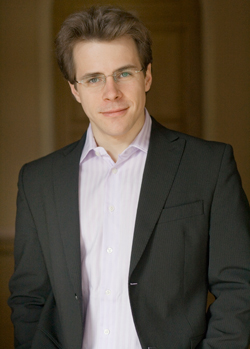
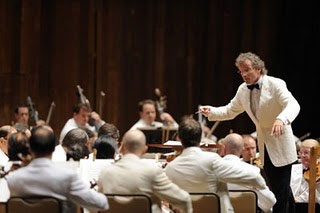
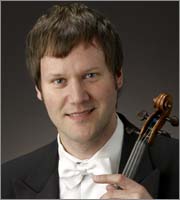 “Honestly, I’ve only heard this piece played very badly,” Cleveland Orchestra first associate concertmaster Peter Otto said of Haydn’s first violin concerto. Otto will perform the work with The Cleveland Orchestra under Jeffrey Kahane at Blossom Music Center on August 10. “Most often, a very old-fashioned, heavily edited version is played, even by people today. I have the critical edition, so there are a lot of different notes and different rhythms. Playing it from the bare bones text makes it sound like a completely different piece.”
So if you’ve heard this concerto before and dismissed it (“the first movement is often played by ten year-olds,” Otto said), the Blossom concert might be a good time for a reappraisal. [Read more…]