By Daniel Hathaway
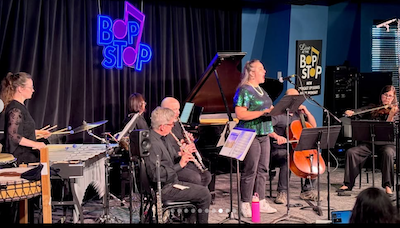 No Exit’s recent foray into art song brought new takes to sonnets by Edna St. Vincent Millay and traditional lullabies on Friday, May 29 at The Bop Stop. Cycles by Robert Honstein and Annika Sokefeldt were vividly realized by soprano Anika Kildegaard and the No Exit ensemble — Cara Tweed (violin), Nicholas Diodore (cello), Sean Gabriel (flutes), Gunnar Owen Hirthe (clarinets), Shuai Wang & Rob Kovacs (pianos), and Katalin La Favre (percussion).
The composers had colorful texts to work with. Millay’s sonnets follow the traditional fourteen-line format in which the final couplet often contains a surprise, and Sokefeldt has deconstructed familiar “Mother Goose” rhymes — along with English and French songs — into what she calls “feminist rager lullabies,” “retelling old lullabies for a new, queer age.”
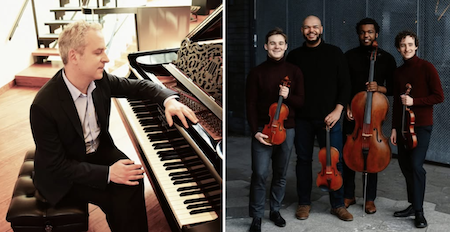
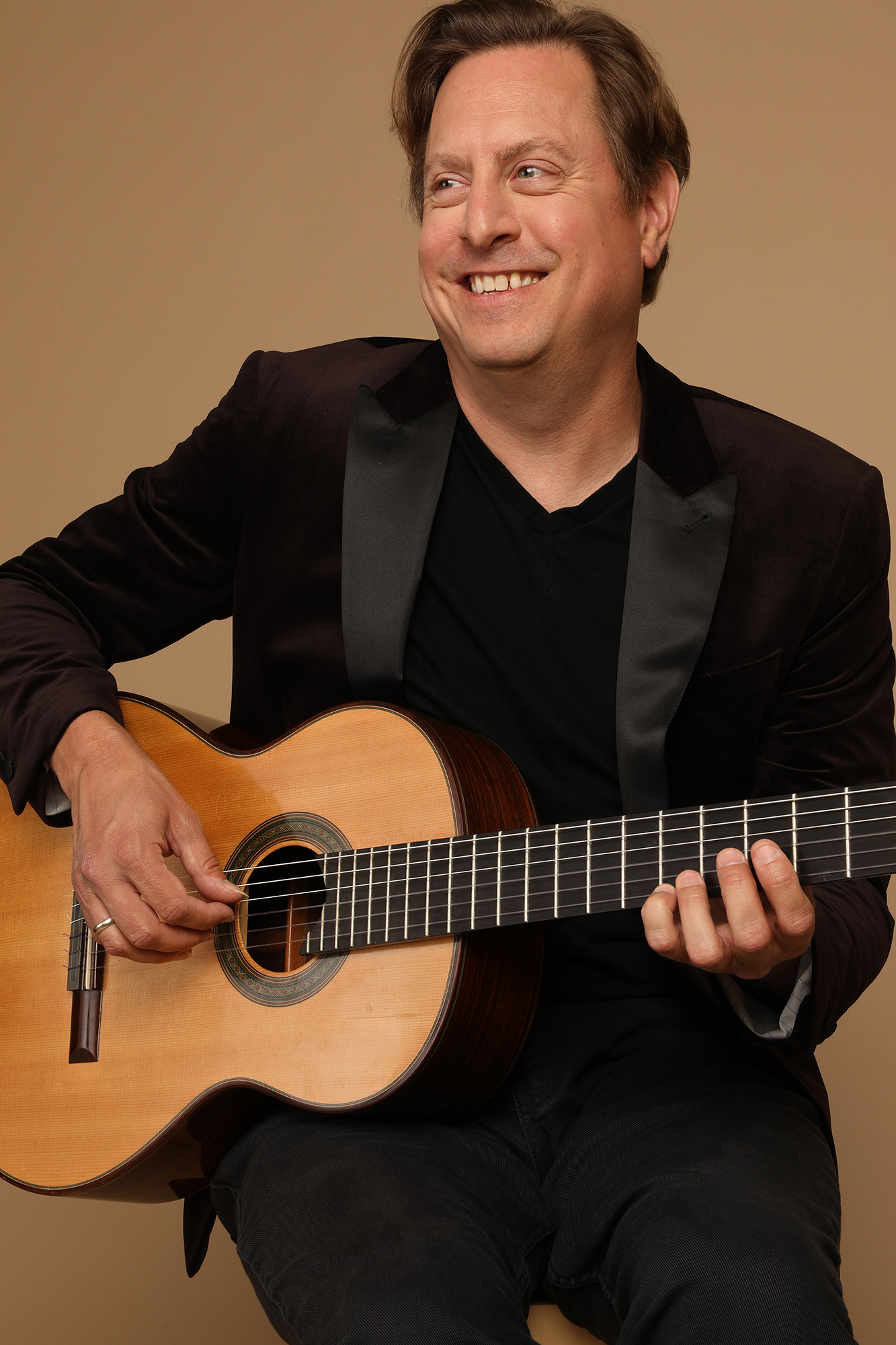 More than five minutes after the scheduled 7:30 start time on June 4, Mixon Hall still buzzed with conversation. The first concert of the Cleveland International Guitar Festival had drawn a large crowd to the Cleveland Institute of Music, and the room’s murmur quickly morphed into applause with the arrival of the evening’s headliner, guitarist Jason Vieaux.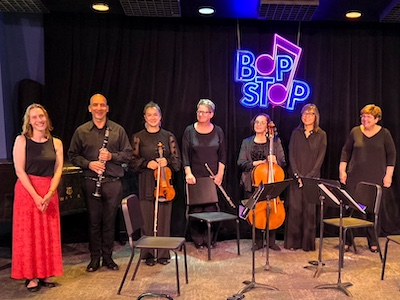
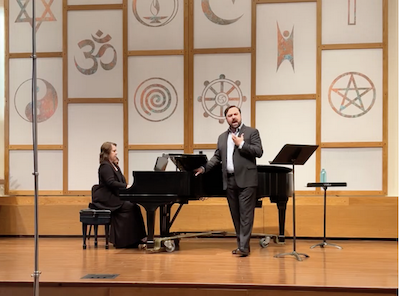
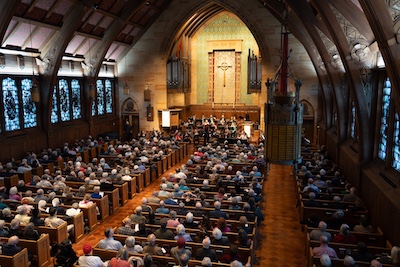
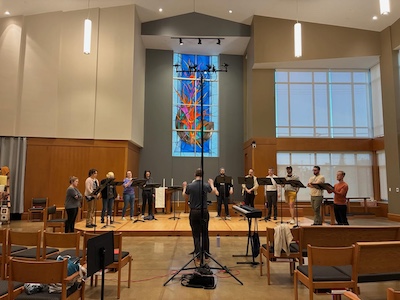
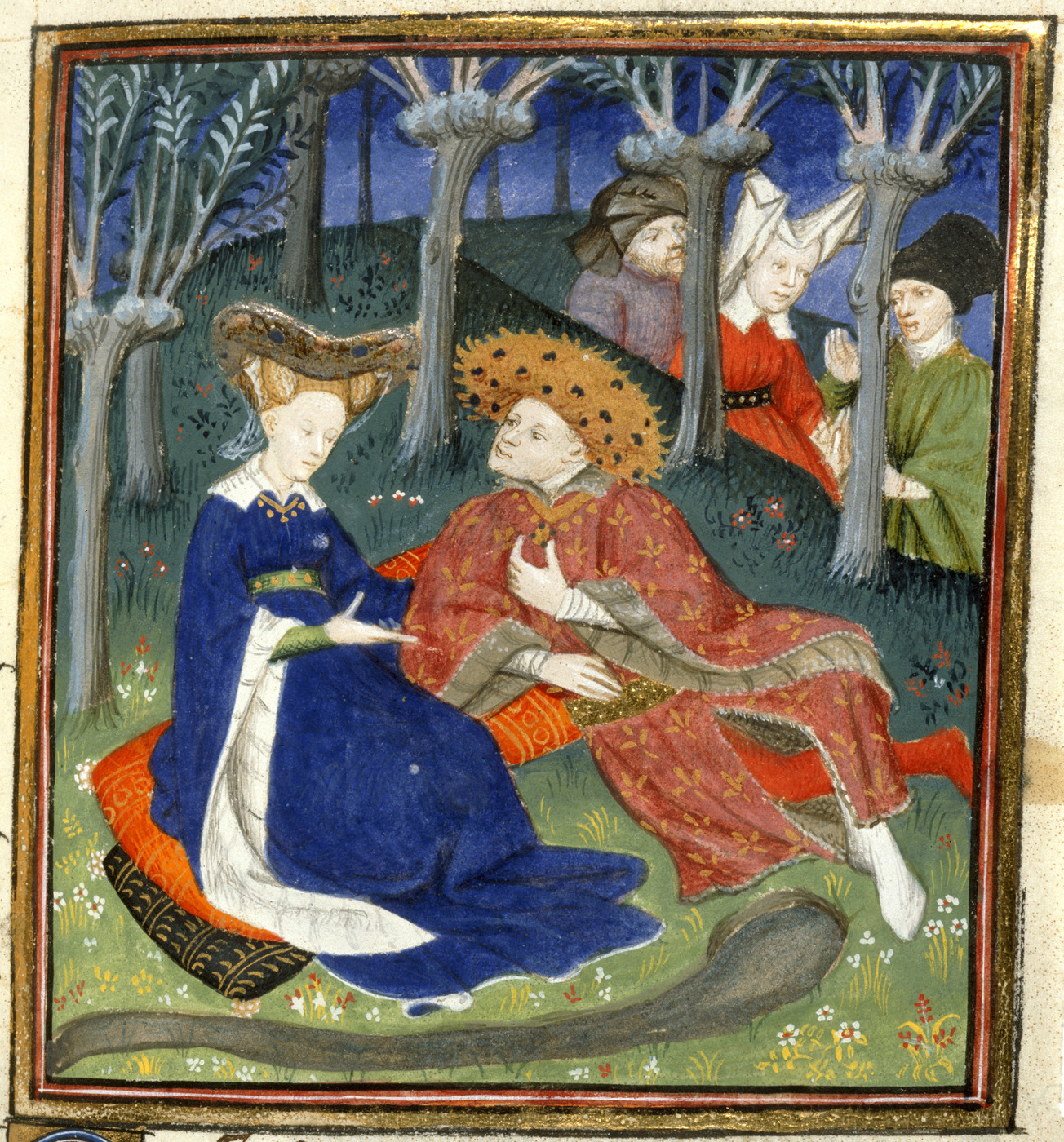 Obviously, the male perspective was not the main focus in a program called “The Lady of Medieval Song.” On May 23, Trobár’s audience at West Shore Unitarian Universalist Church primarily heard repertoire written by or about women, favoring female voices and perspectives as much as possible.