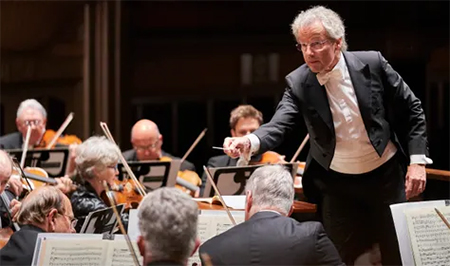
by Stephanie Manning
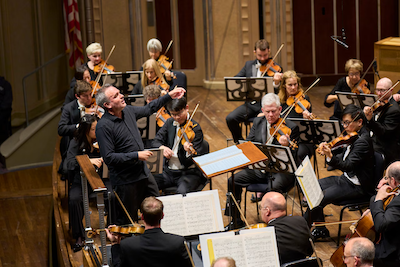 This article was originally published on Cleveland.com
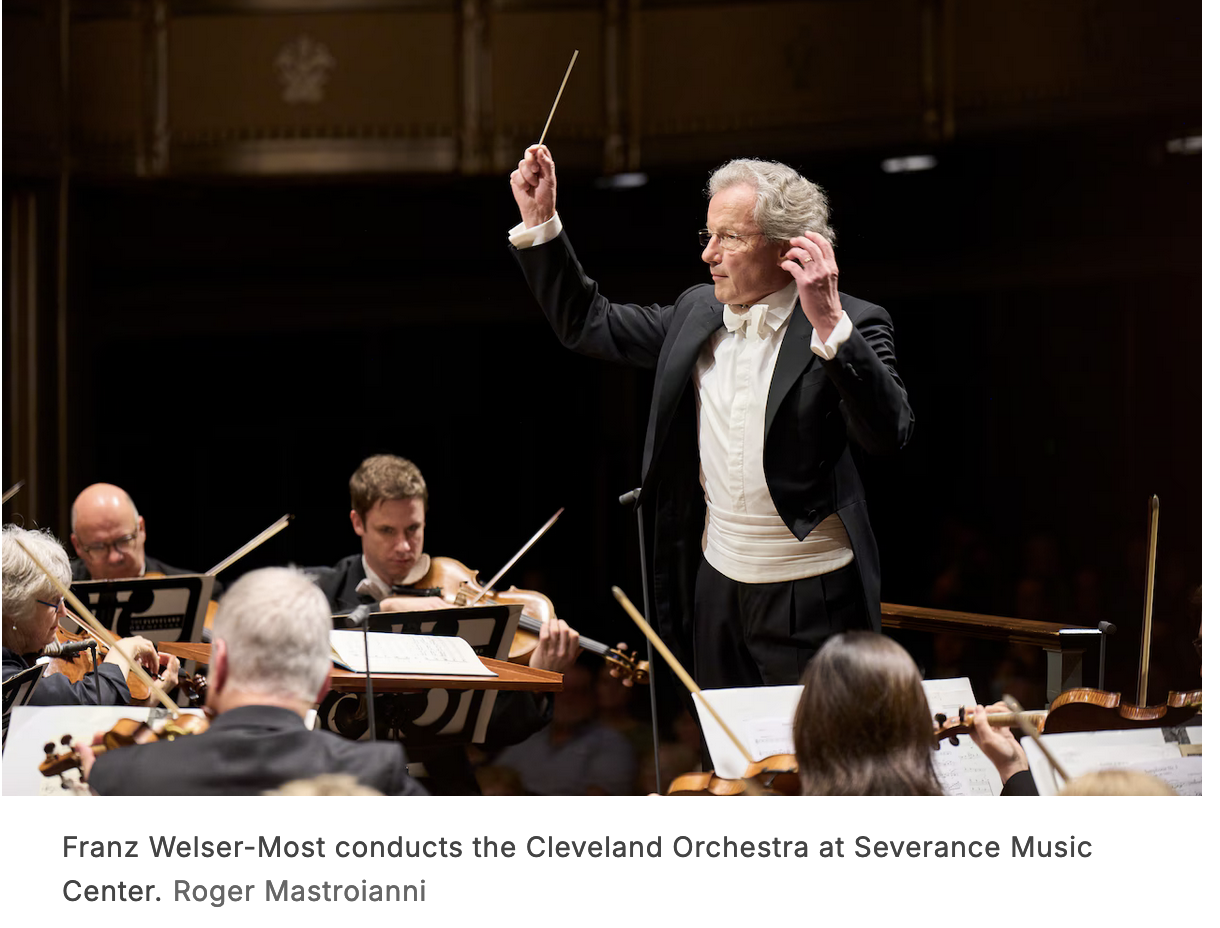
CLEVELAND, Ohio — When the lights dimmed in Mandel Concert Hall on Thursday night, April 30, audience members were greeted not by a stage full of seated musicians, but by a collection of empty chairs and stands, waiting for their players to file on from the wings. An unconventional beginning — but unconventional is what Jörg Widmann does best.
A conductor, composer, and clarinetist, Widmann is no stranger to Severance Music Center. He served as The Cleveland Orchestra’s Daniel R. Lewis Composer Fellow from 2009 to 2011, and his music has resurfaced in the Orchestra’s programs ever since. But this week marked his debut on the podium.
To celebrate the occasion, Widmann paired three works of his own, including a U.S. premiere, with Felix Mendelssohn’s Symphony No. 5, “Reformation.”
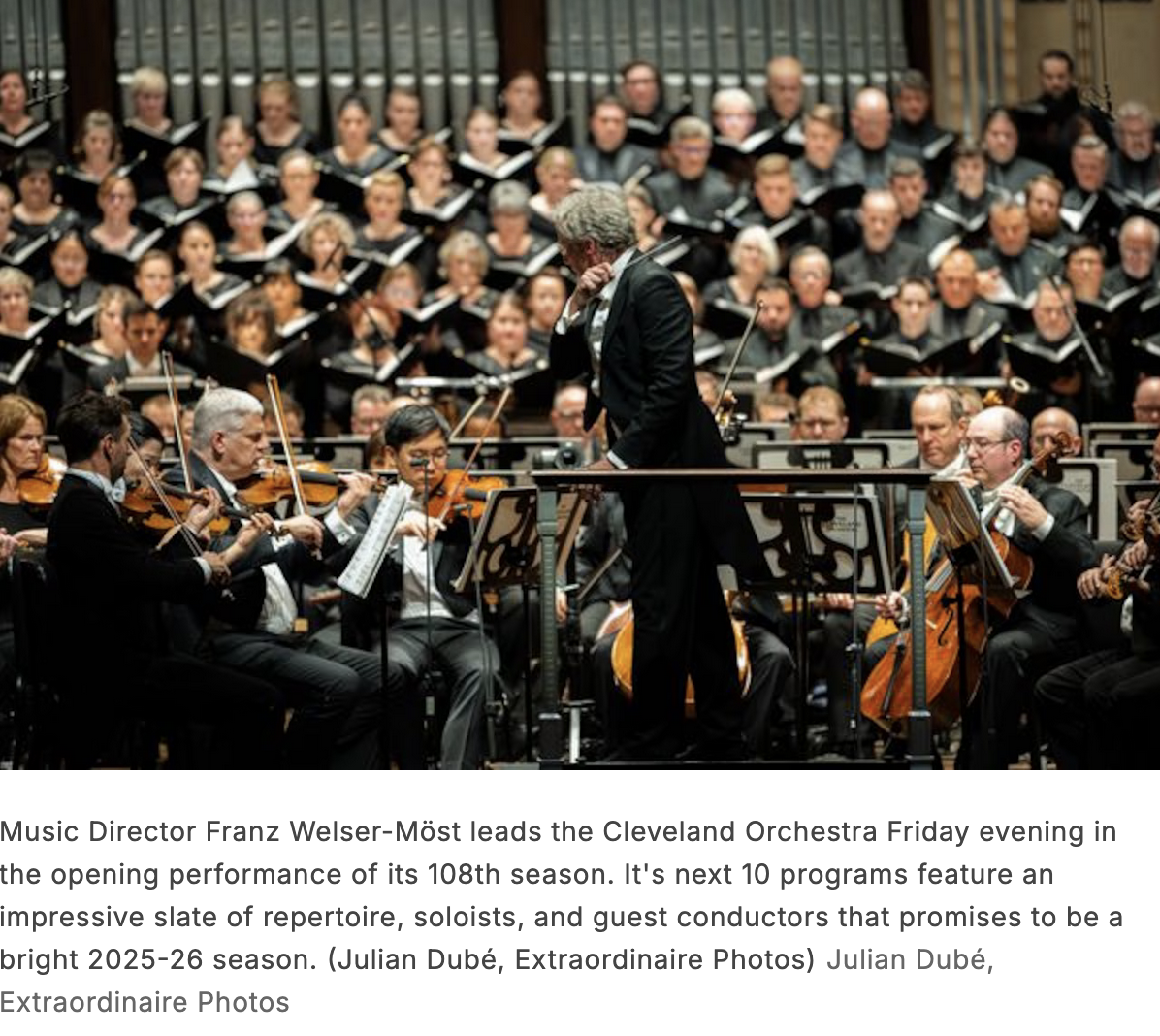 This article was originally published on
 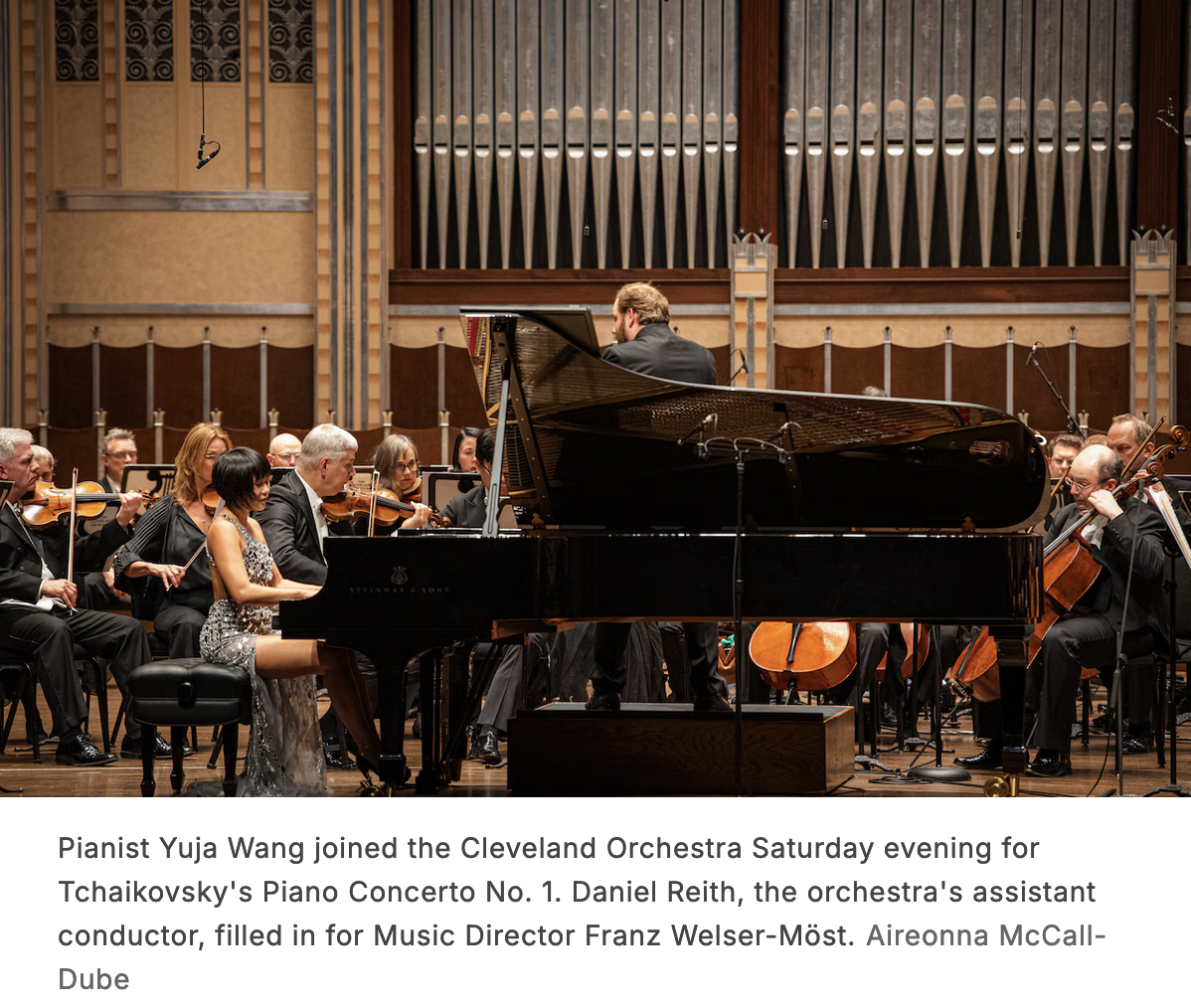 This article was originally published on
  This article was originally published on
 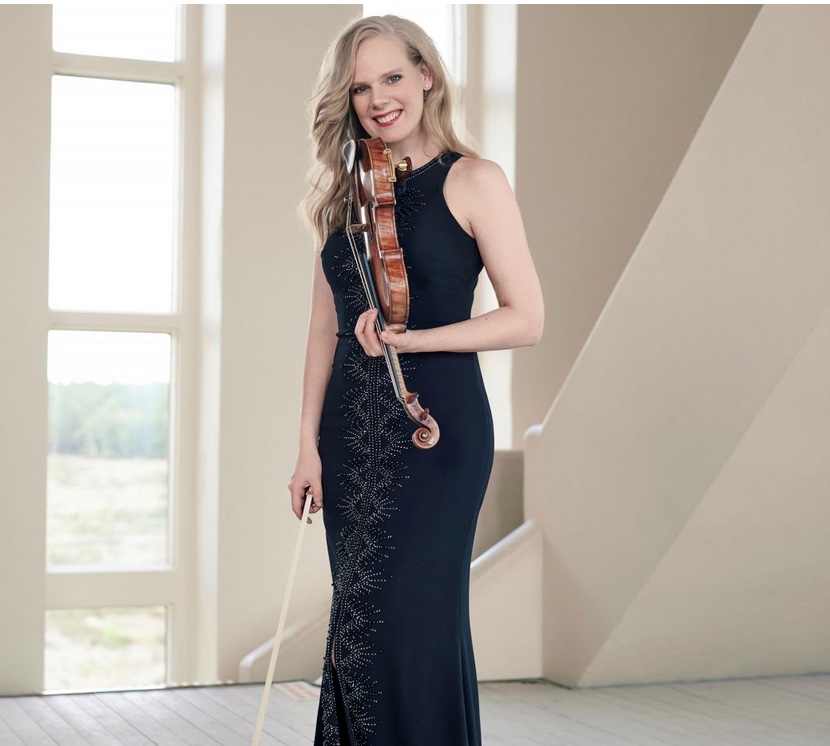 The Cleveland Orchestra’s final classical concert at Blossom Music Center on Saturday, like the last rose of summer, was the unexpected apogee of the season. Transforming a generic-sounding program titled “Impressions of France and Spain,” conductor Fabien Gabel captivated in works of Ravel, de Falla, and Saint-Saëns’
 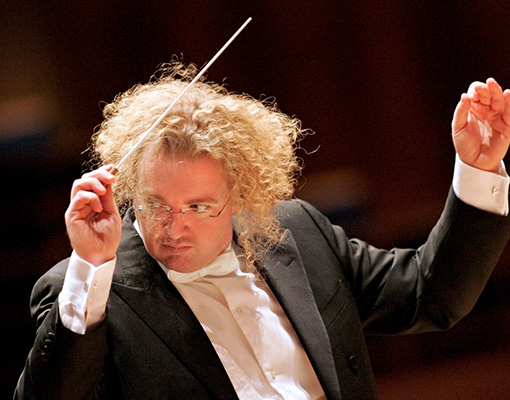 A long line at the Will Call window at Severance on Saturday evening, February 19 meant that a number of Cleveland Orchestra patrons missed hearing Guillaume Connesson’s Flammenschrift, the first item on Stéphane Denève’s program.
 Last summer, according to Cleveland Orchestra violinist Isabel Trautwein, musicians from the Orchestra played 90-100 outdoor events. “These were driveway concerts and porch concerts with friends and students,” Trautwein said by telephone from her farm in Geneva (where she recently put on a program called
  From the podium, Herbert Blomstedt is always proving that there are new insights to be found in even the most well-trod pieces.
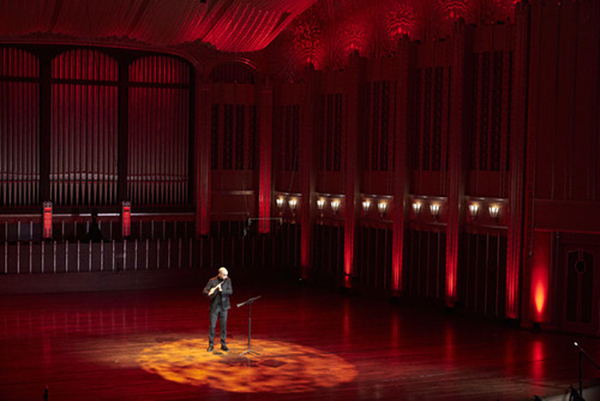 Wind players have arguably been the most frustrated instrumentalists during the pandemic. When you pursue your art and livelihood by forcing air from your lungs through an instrument, you’re among the most likely candidates to spread the novel coronavirus, thus your near exile from concert halls.