



by Daniel Hathaway
 This article was originally published on Cleveland.com
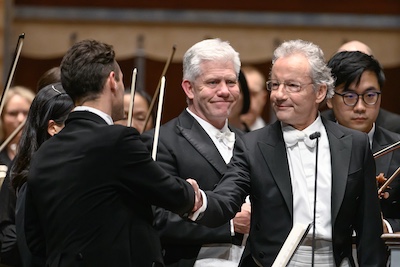
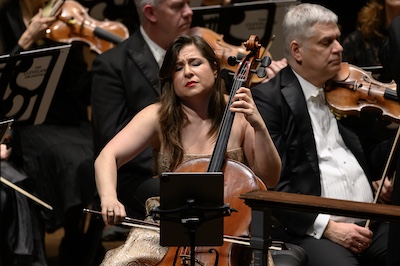
CLEVELAND, Ohio — Over the course of a concert season, The Cleveland Orchestra is called upon to play a variety of works in all categories from four centuries’ worth of repertoire. Not so often do audiences get to experience in a single concert three such wildly different works as were on display at Severance Music Center on Thursday evening, May 7.
Sergei Prokoviev’s Symphony No. 1, Olga Neuwirth’s “Zones of Blue,” and four excerpts from Richard Wagner’s “Götterdämmerung” require, in turn, cool neoclassical clarity, expert control of avant-garde techniques, and the kind of pre-film cinematic virtuosity that pushes 19th-century instruments to the limits of their original design.
 This article was originally published on
  This article was originally published on
 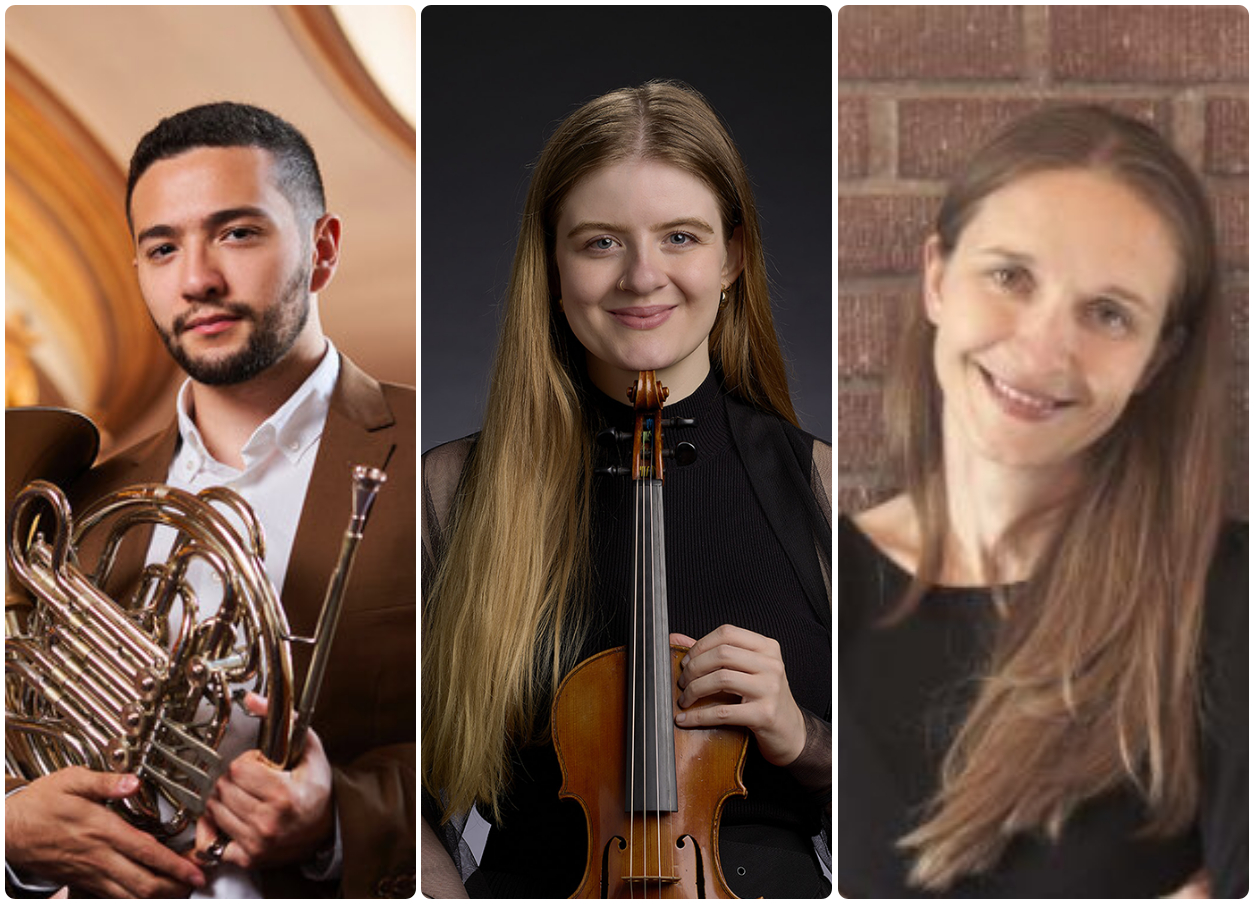 The Rocky River Chamber Music Society’s season-ending concert, featuring the principal horn of The Cleveland Orchestra, was understandably marketed as “Nathaniel Silberschlag & Friends.” But the other two names contained in the “& Friends” — violinist Genevieve Smelser and pianist Alicja Basinka — were equally as important to the evening’s success.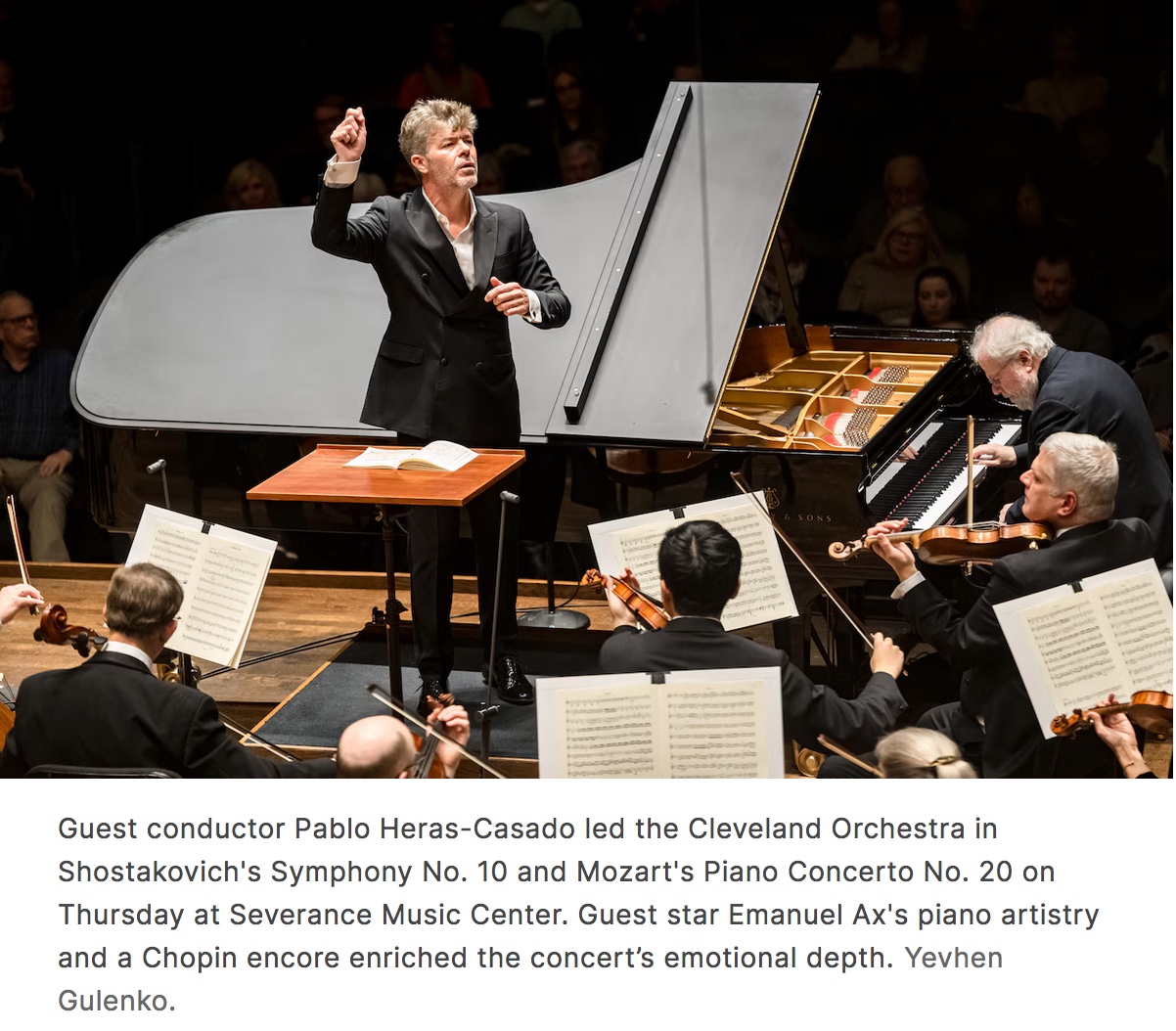
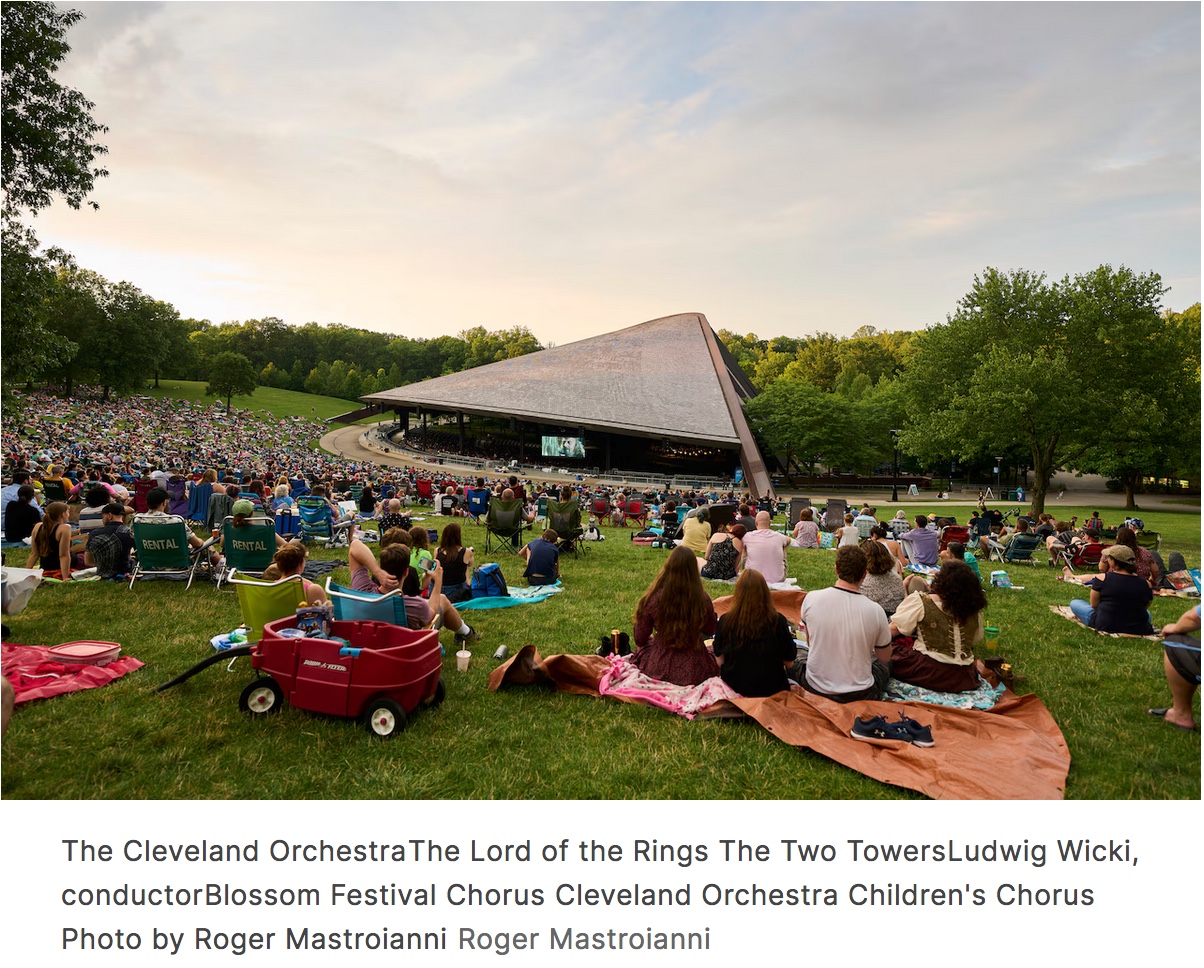 This article was originally published on
 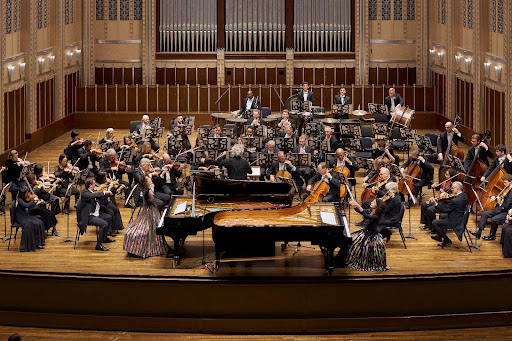 Maybe it was the time of year, the familial ties of the visiting conductor and pianists, the anticipation of a new work, or maybe all of it, but somehow a rosy glow enveloped the Cleveland Orchestra concert on Thursday, December 7.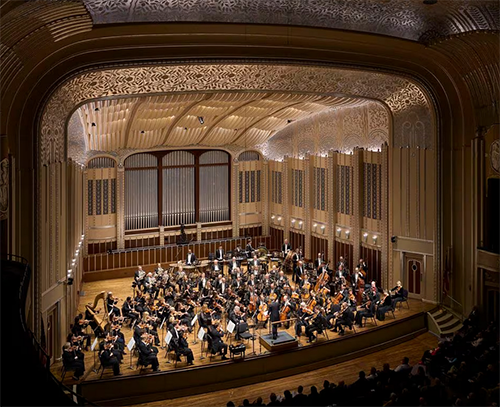
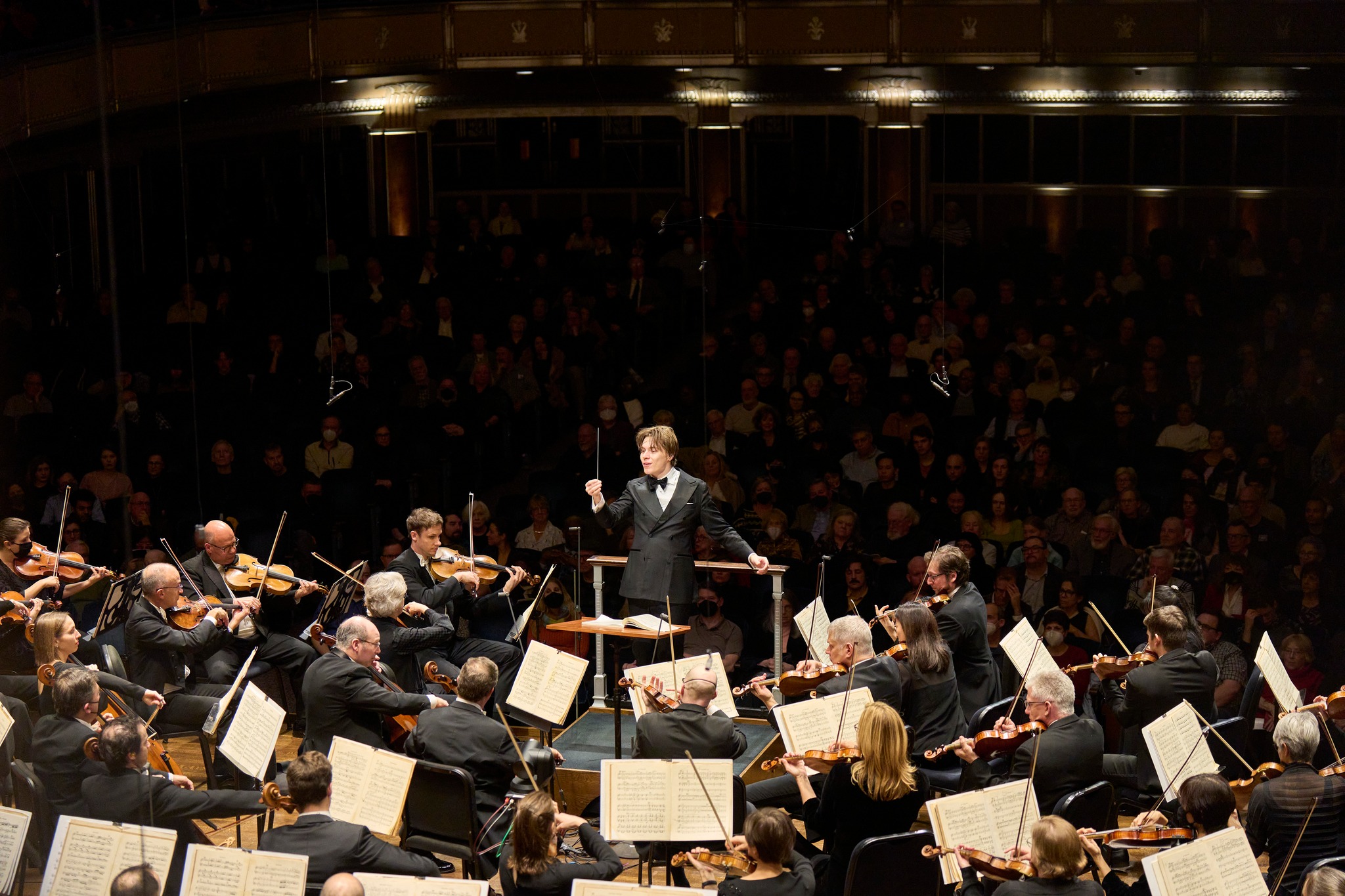 On February 9, concertgoers approaching Severance Music Center likely noticed the dramatic lighting choices — the building had been lit up in a deep red. With Mahler’s Fifth Symphony on the program, it felt fitting. The composer’s intense and passionate works are popular with both musicians and audiences, and an unsurprisingly crowded house packed Mandel Concert Hall for the occasion. Not only was the music guaranteed to generate interest, but so was the conductor: young Finnish phenom Klaus Mäkelä, in his second consecutive week this season with The Cleveland Orchestra.