by Daniel Hathaway
 This article was originally published on Cleveland.com
CLEVELAND, Ohio — Do the arts have the wherewithal to take up great subjects like war? Four hundred years ago, Shakespeare sent his Prologue onstage at the top of his play Henry V to apologize in advance to the audience for its shortcomings:
Pardon, gentles all,
The flat unraisèd spirits that hath dared
On this unworthy scaffold to bring forth
So great an object. Can this cockpit hold
The vasty fields of France? Or may we cram
Within this wooden O the very casques
That did affright the air at Agincourt?
In 1961, British pacifist composer Benjamin Britten addressed that question by writing his “War Requiem” on commission for the consecration of the new Coventry Cathedral, which rose next to the ruins from an 11-hour long Luftwaffe bombing raid on the night of November 14, 1940.
 This article was originally published on

 Franz Welser-Möst led the final bows on Saturday night at Severance, like the star of any show should. The Cleveland Orchestra’s music director is in his element presiding over the ensemble’s annual opera production, which this season packs the drama. Verdi’s Otello — in a concert staging that opened May 21 and runs for two more performances (May 26 and 29) — demands big voices, instrumental forces to match, and a conductor who can give it all shape and direction.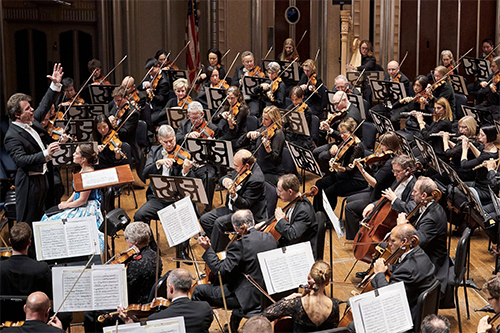
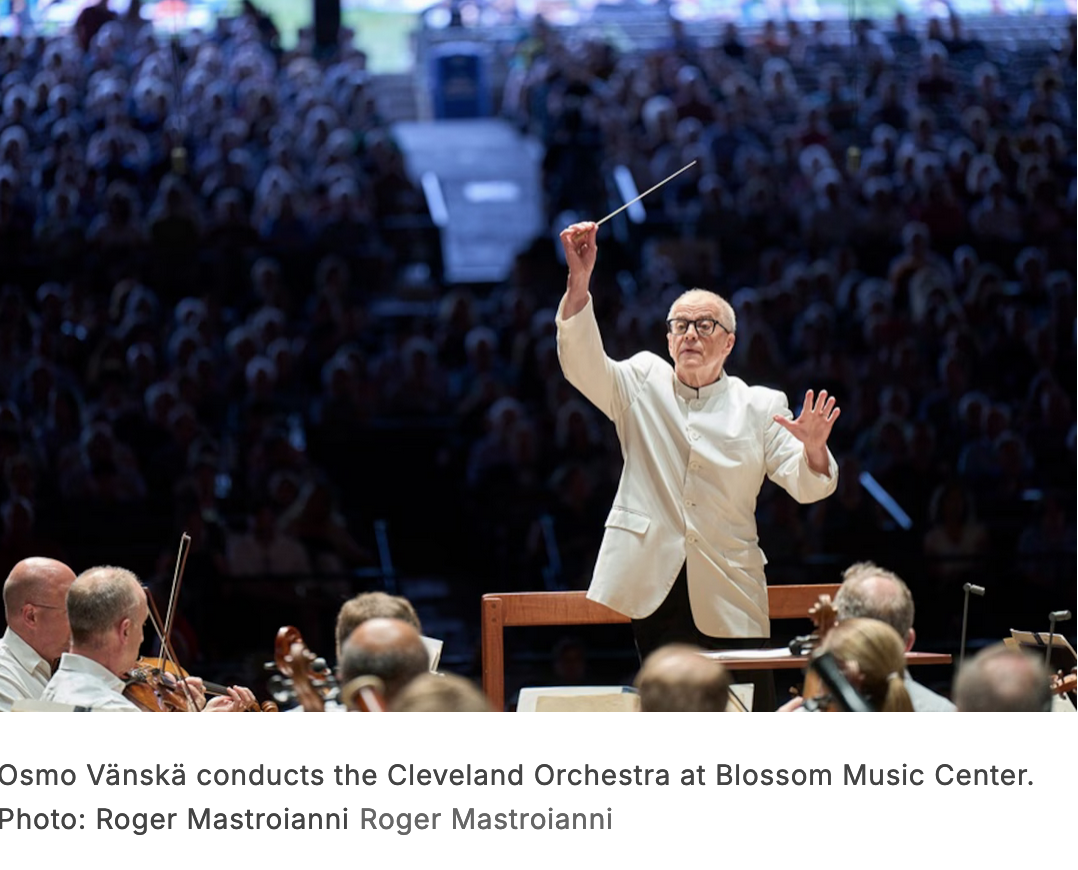
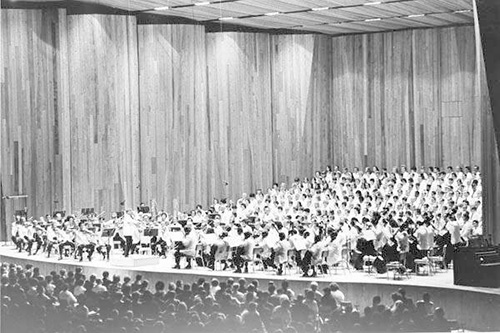 The American political landscape has broadened over the past few years to include socialist and fascist ideas previously unthinkable in the public sphere. Programming works from the 1930s, another time of torrent, The Cleveland Orchestra and guest conductor Adrien Perruchon gave their August 25 concert at Blossom Music Center an unusual political saliency. The performance of Orff’s
 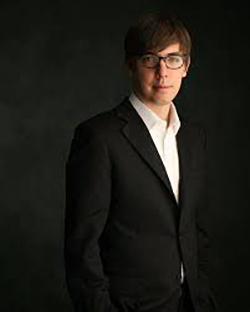 Depending on your point of view, the three Star Wars concerts at the tail end of August and into September either mark a thrilling end of The Cleveland Orchestra’s Blossom season, or serve as fun, galactic encores to the earthly drama unfolding this weekend.
 A
A