

by Stephanie Manning
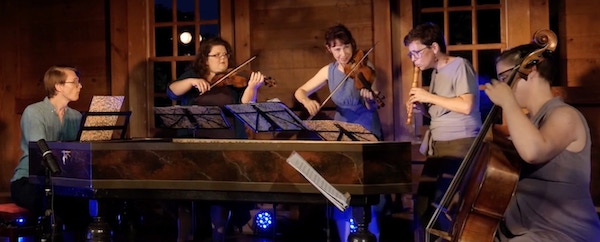
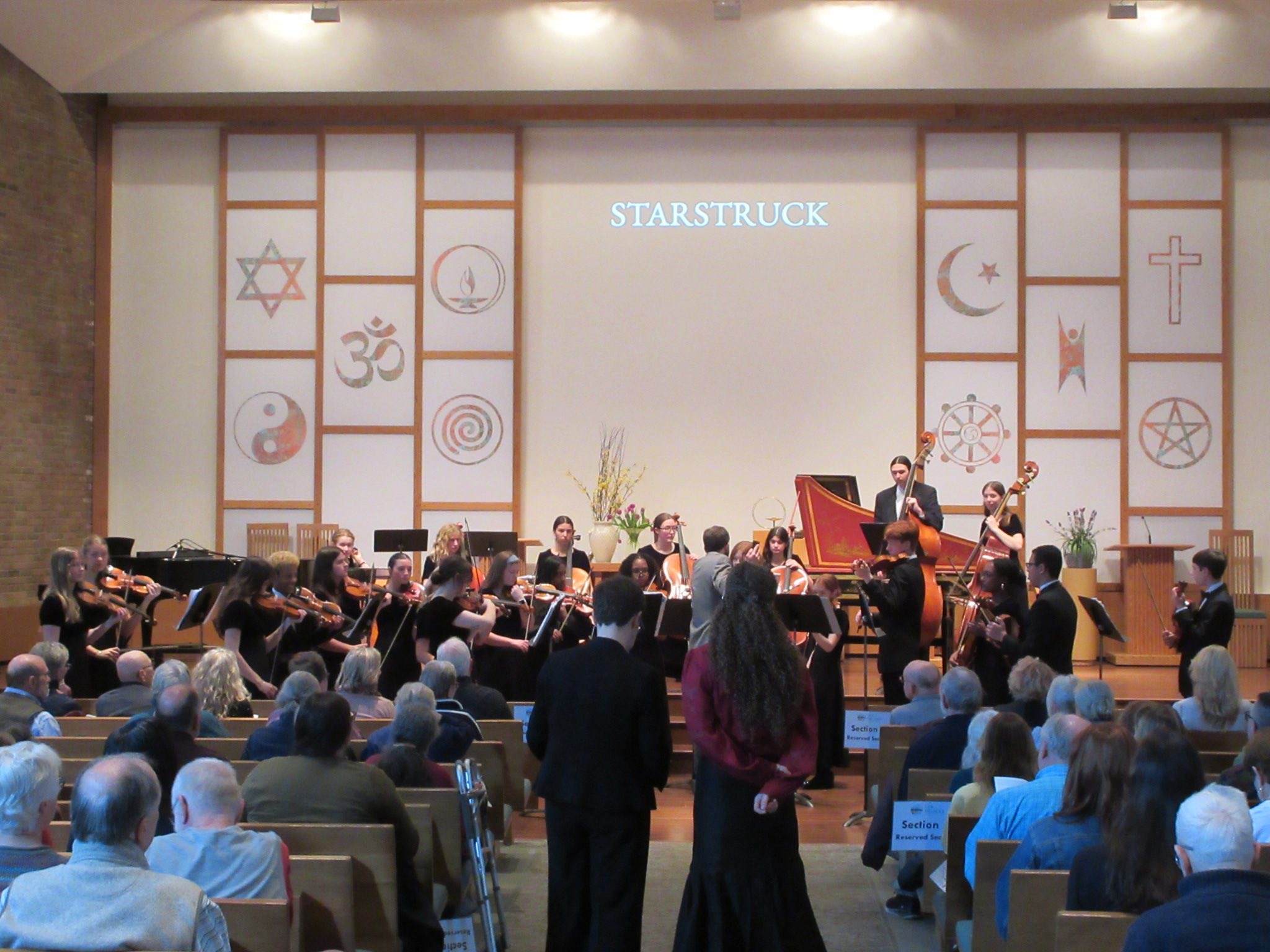 Part season finale, part album release party, Les Délices’ recent “Starstruck” program celebrated both its past and its future.
The group’s latest CD, Arcadian Dreams — released on March 13 — collects a group of pastoral pieces that local audiences heard live in 2024, featuring soprano Hannah de Priest. Last week, de Priest marked the album’s release by returning for “Starstruck,” a program of music exclusively by Georg Frederic Handel. The performances toured Akron and Cleveland Heights before the final rendition on Sunday, April 26, at Rocky River’s West Shore Unitarian Universalist Church.
Les Délices have been more than happy to support the exciting, early career of de Priest, who first met artistic director Debra Nagy as a Case Western Reserve University student and currently works as the group’s communications director. As Nagy put it, Les Délices decided to record a CD with her before anyone else did — and the wisdom of that choice is apparent once you hear her sing.
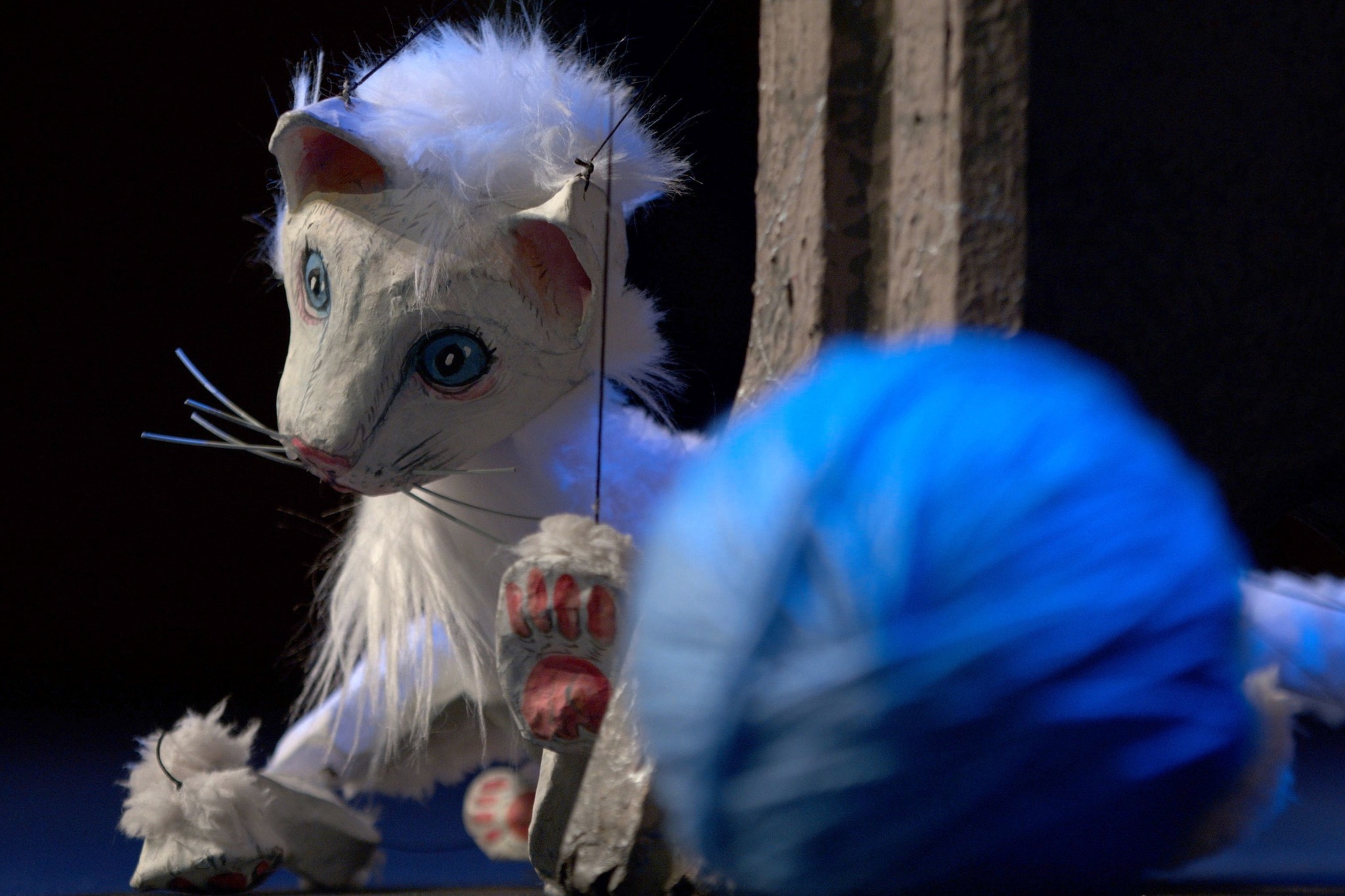 In the 1670s, Louis XIV commissioned a series of 39 fountains for the Gardens of Versailles, each modeled on a story from Aesop’s Fables and intended for the education of the king’s young son, the Dauphin.
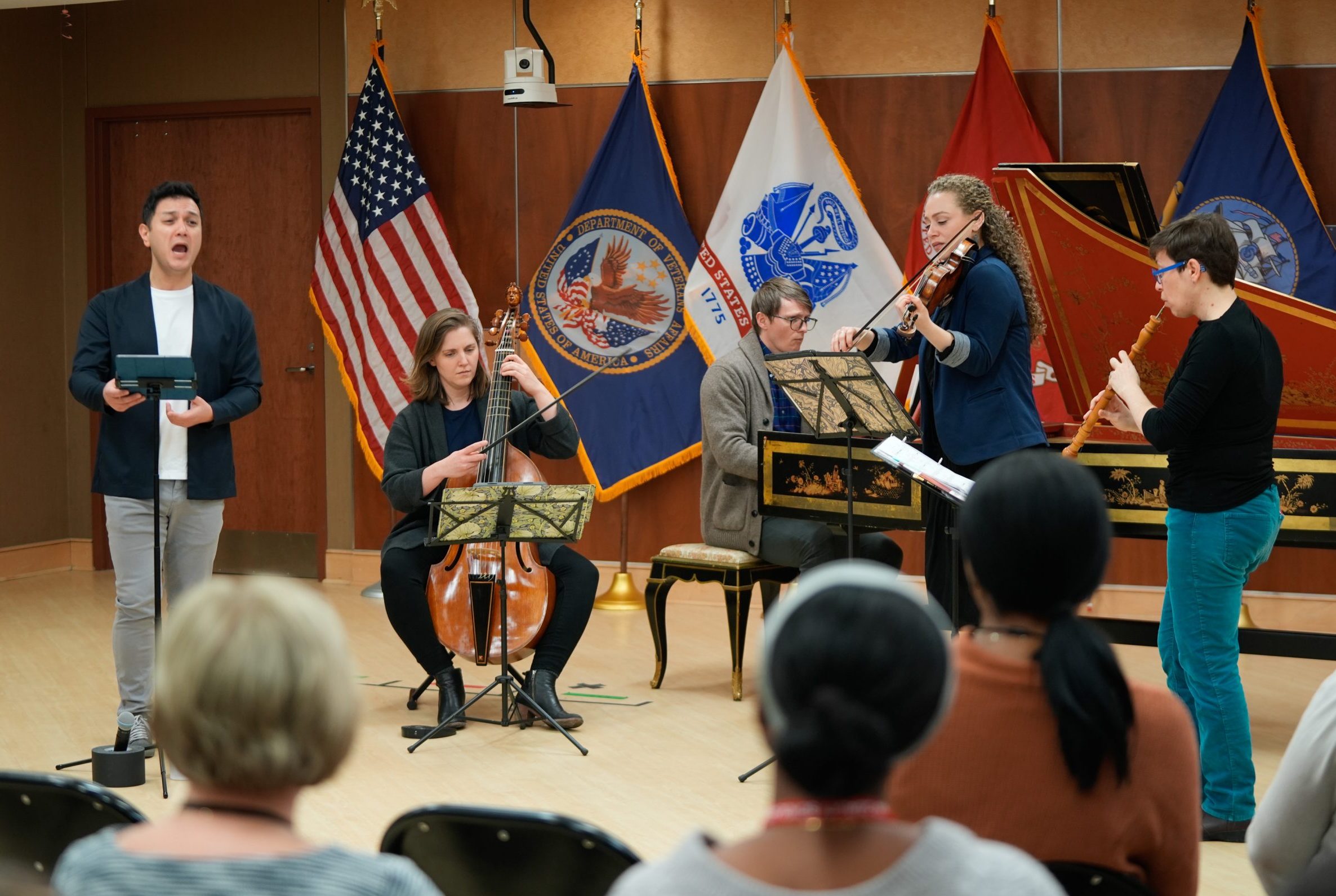 Navigating dementia — a common, yet devastating part of aging — requires confronting all sorts of complex emotions. People with memory loss, their caregivers, and the medical teams who interact with them all understand this well. So when Les Délices commissioned a piece tackling this difficult topic, they made a special effort to bring the music to those who would resonate with it the most.
 “How wretched to forget,” sings the son in A Moment’s Oblivion — a character whose father now struggles to recognize members of his own family. “For all we were forms who we are.”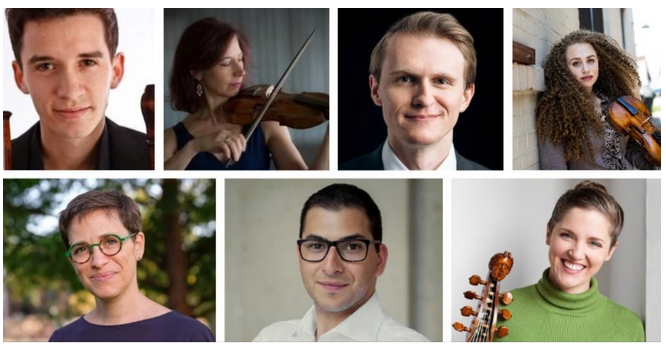
 The Oberlin Baroque Performance Institute faculty concert on Tuesday afternoon, June 20 featured flutist Michael Lynn, harpsichordist Mark Edwards, and gambist Rebecca Reed in recently-discovered works by Marin Marais and Michel de la Barre.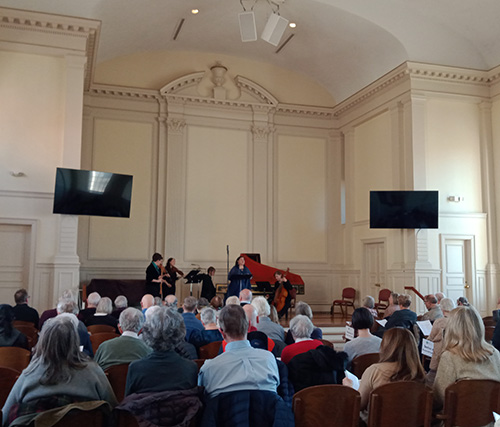
 Why is it that people never seem to tire of 18th-century Scottish folk songs? The moment we hear the poems of