



by Stephanie Manning
 In the medieval era, musicians and poets had a different perspective on the process of creation. “They thought of composing as finding and seeking out words and notes that already exist,” Allison Monroe said in a recent phone interview. That’s why the artistic director named her ensemble Trobár — an Occitan-language word meaning “to find” or “to seek.”
“ That’s where the word ‘troubadour’ comes from, as well as ‘trouvère,’” she explained. “And that repertoire is really at the root of who we are as an ensemble.”
On March 19 at 7:00 pm, the medieval music ensemble will return to those roots by revisiting a program from Trobár’s earliest days, “Songbook for a King.” This concert draws its pieces from the “Manuscrit du Roi,” a famous thirteenth-century anthology of French music. Pay-what-you-can tickets for the performance at West Shore Unitarian Universalist Church in Rocky River are available online. [Read more…]
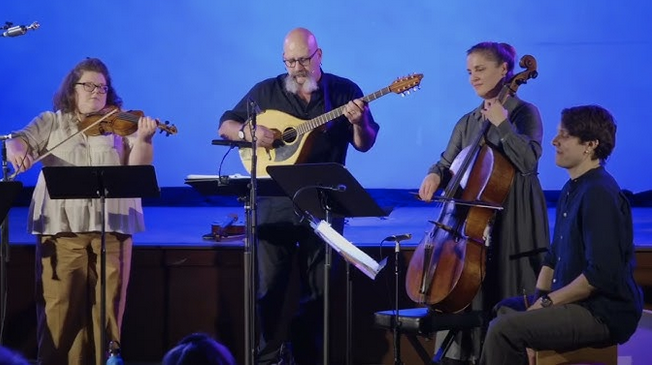
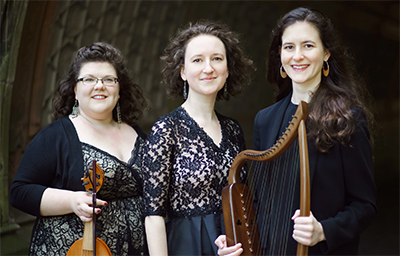 When we think of the Medieval period, musical variety is usually not the first thing that comes to mind. But Allison Monroe and her Trobár Medieval colleagues would beg to differ with that sentiment. “There’s a lot of variety in the repertoire,” Monroe said during a recent interview.
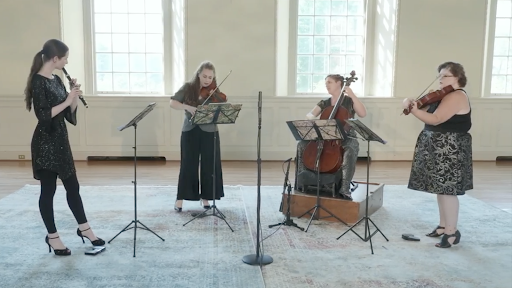 Rarely is there a program title as accurate as Les Délices’ “Winds of Change.” The program embraced the new and different in a variety of ways — referencing both specific events, like the French and Haitian revolutions, and broader ideas, like advocacy for composers of color. Originally presented as an online offering last season, on October 23 the concert proved it was certainly worth hearing live.
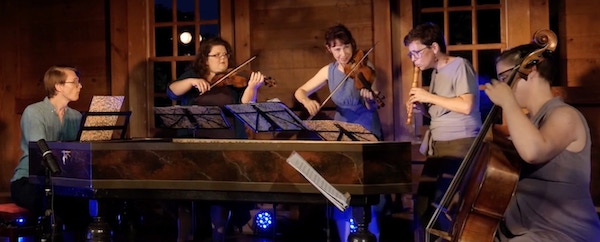 Why is it that people never seem to tire of 18th-century Scottish folk songs? The moment we hear the poems of
 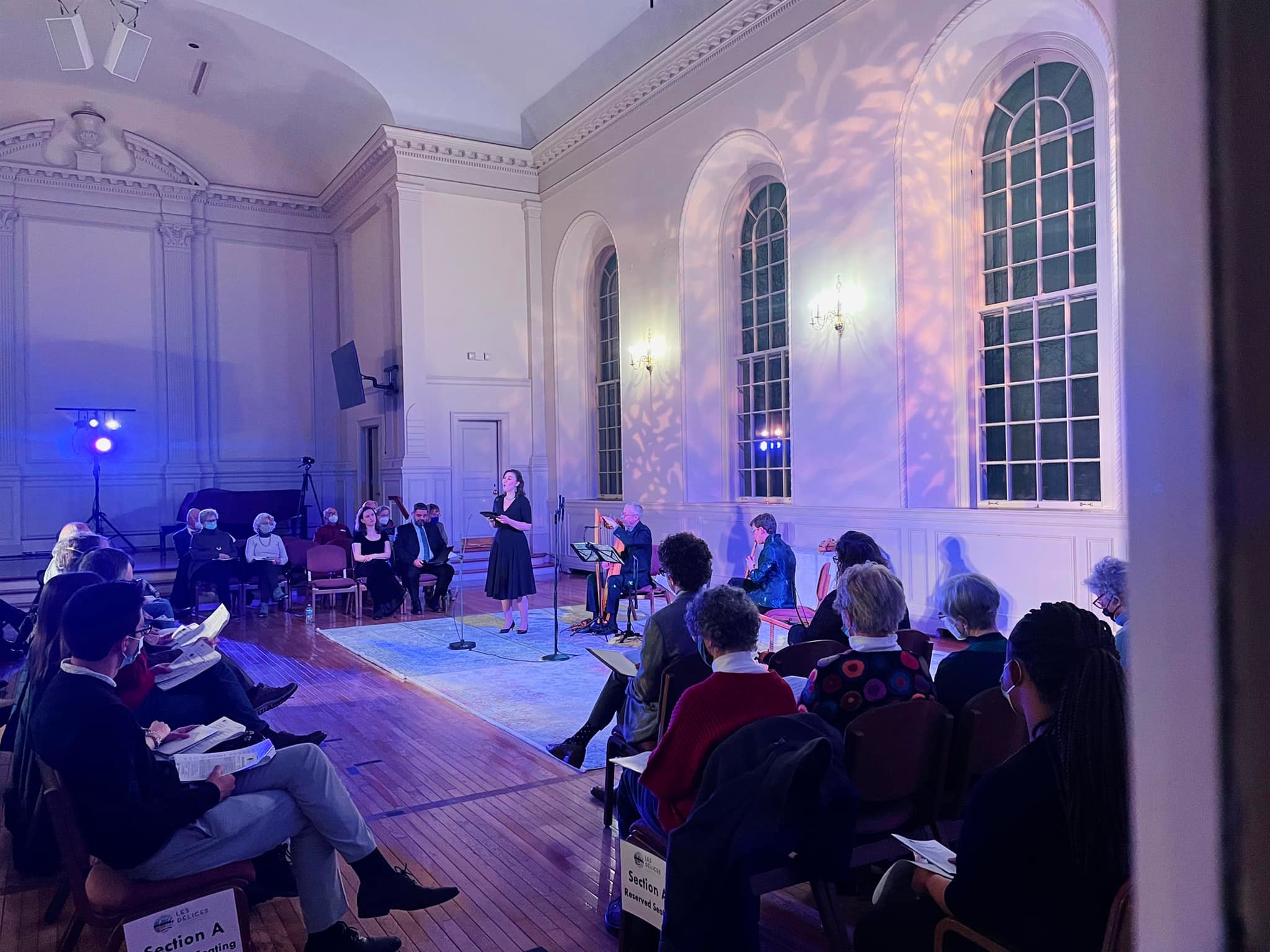 Time and time again, Les Délices has imbued a sense of creativity into the concert experience — particularly over the past two years, when pandemic restrictions called for some out-of-the-box thinking. On February 25 in Shaker Heights, their first in-person event since 2020 proved to be no exception, blending poetry and music for an engaging evening of storytelling.
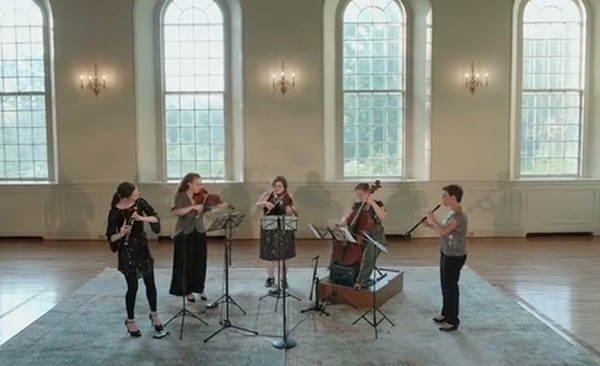 Parallel revolutions in France and Haiti have inspired the second episode of this season’s online concert series from Les Délices. “Winds of Change,” which went live on November 18 and is available both on subscription and as a single performance, includes late 18th-century music by Joseph Bologne (Chevalier de Saint-Georges), Karl Bochsa, and Luigi Boccherini, and the premiere of a commissioned piece, Haitian-born composer Sydney Guillaume’s A Journey to Freedom.
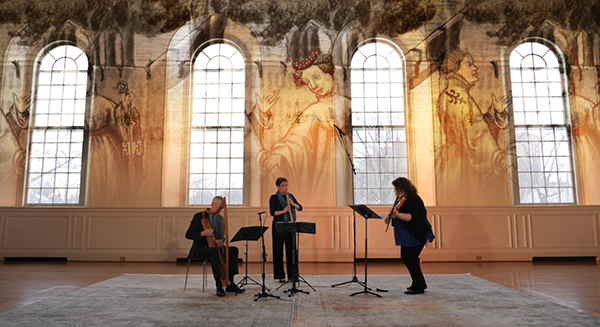
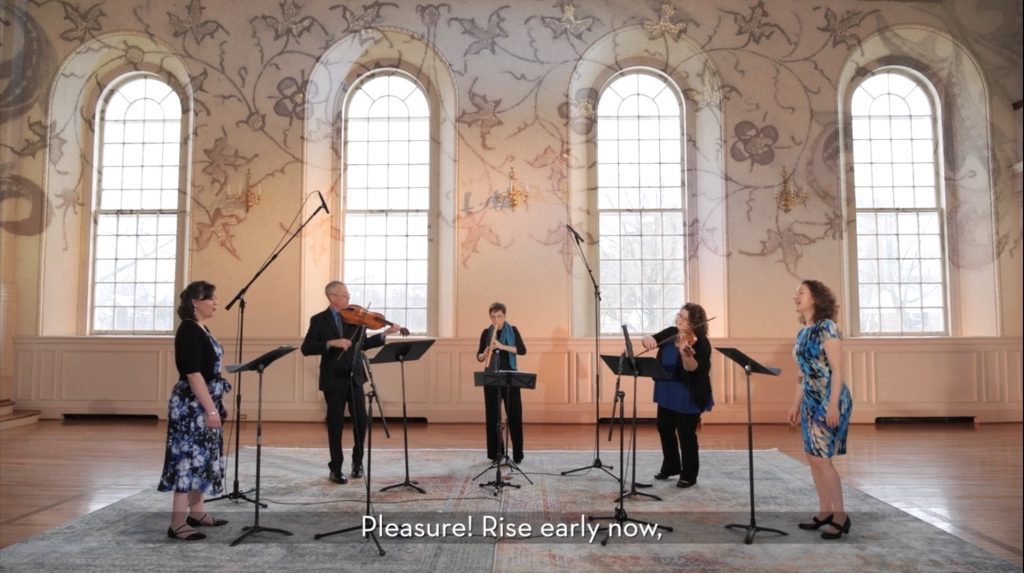 Les Délices has once again joined forces with Boston’s Blue Heron, this time to produce the impressive video “Machaut’s Lai of the Fountain,” which debuted on Vimeo on April 8, and remains available on-demand until April 19.
 Now that the cold and dreary winter is behind us, our thoughts turn to spring. And with trees beginning to blossom and flowers blooming we can begin to think about cultivating the garden. On April 8 at 7:30 pm,