


by Stephanie Manning
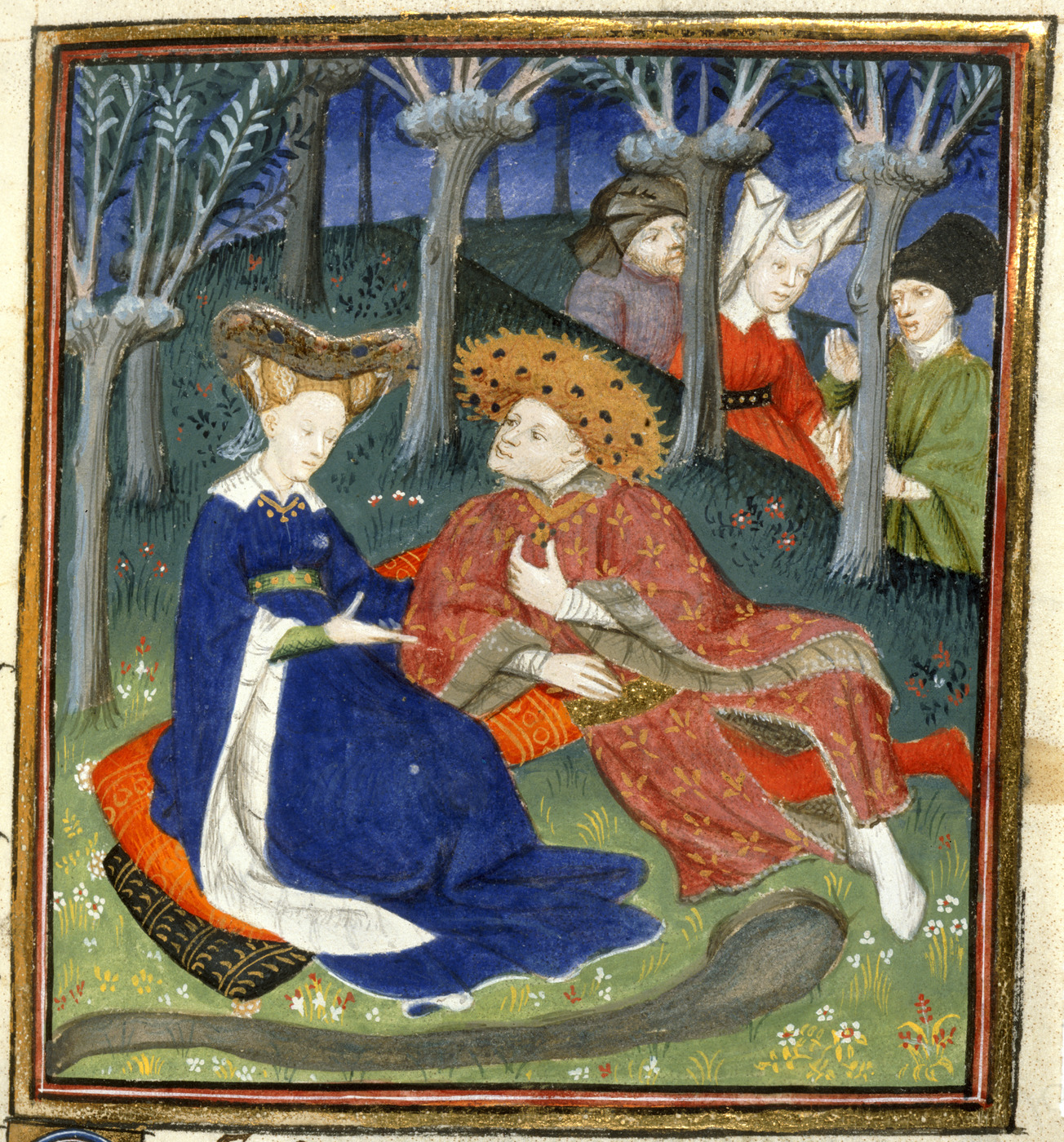 Obviously, the male perspective was not the main focus in a program called “The Lady of Medieval Song.” On May 23, Trobár’s audience at West Shore Unitarian Universalist Church primarily heard repertoire written by or about women, favoring female voices and perspectives as much as possible.
However, more than five centuries removed from this music’s origin, these kinds of pieces are rare. And the reasons why are inextricably tied to the men who undervalued it — and often preferred their own point of view instead. Four of the selections listed in the program appeared under the headline “The Male Gaze,” with the pointed logic behind that choice to be revealed as the concert went on.
Although the pool of surviving music by women is limited, Trobár tapped into the larger availability of woman-authored texts, borrowing tunes from elsewhere when needed. [Read more…]
 In the medieval era, musicians and poets had a different perspective on the process of creation. “They thought of composing as finding and seeking out words and notes that already exist,” Allison Monroe said in a recent phone interview. That’s why the artistic director named her ensemble Trobár — an Occitan-language word meaning “to find” or “to seek.”
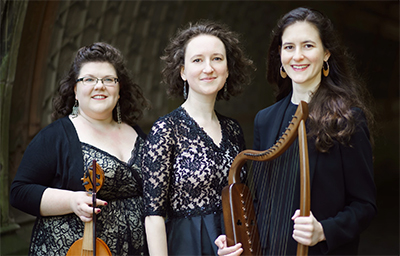 When we think of the Medieval period, musical variety is usually not the first thing that comes to mind. But Allison Monroe and her Trobár Medieval colleagues would beg to differ with that sentiment. “There’s a lot of variety in the repertoire,” Monroe said during a recent interview.
 Art often transcends without trying, remaining rooted in its specific regional, topical, or historical niche yet appealing well beyond. A humble central-German cantor became Bach, an observer of social posturing in a narrow slice of the gentry became Austen, an aerosol virtuoso known to tag lower-Manhattan walls became Basquiat.