

by Mike Telin
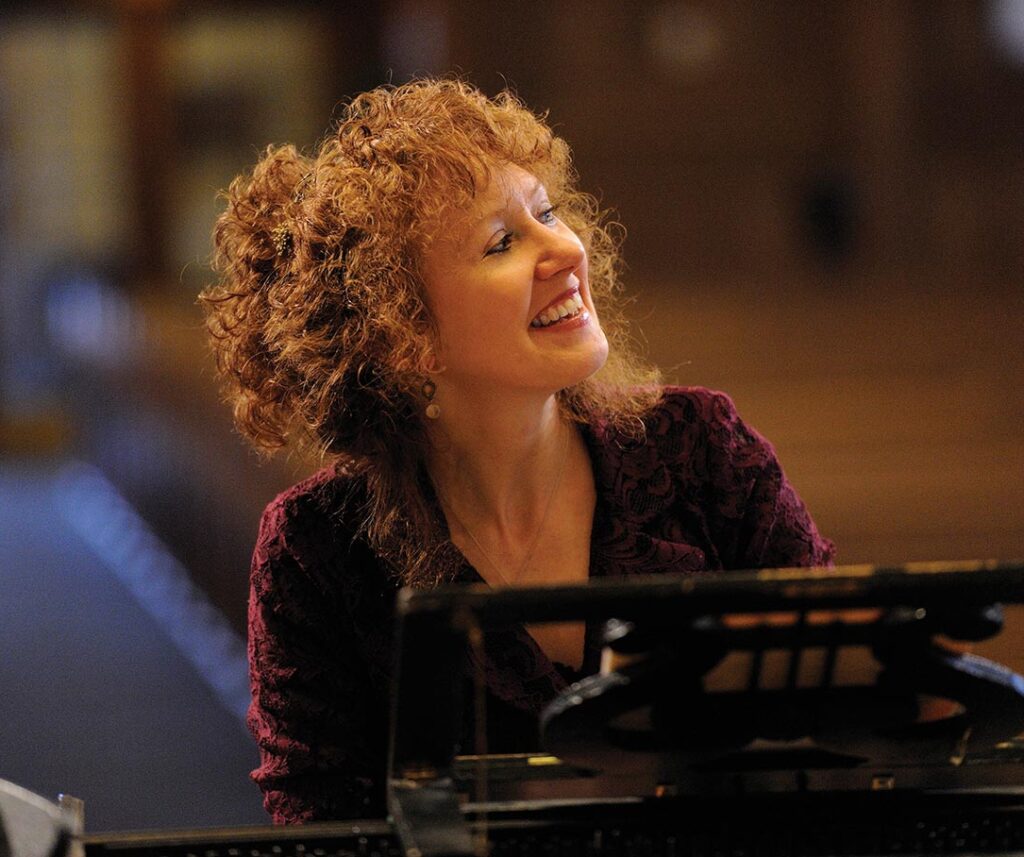 During a Zoom conversation, Apollo’s Fire artistic director Jeannette Sorrell gave us her insights into the Orchestra’s 2025-2026 Northeast Ohio season as well as a sneak peek into its April residency at London’s historic Church of St. Martin-in-the-Fields. Tickets and more information are available on the Orchestra’s website.
Henry Purcell’s Dido and Aeneas — October 3 through 12.
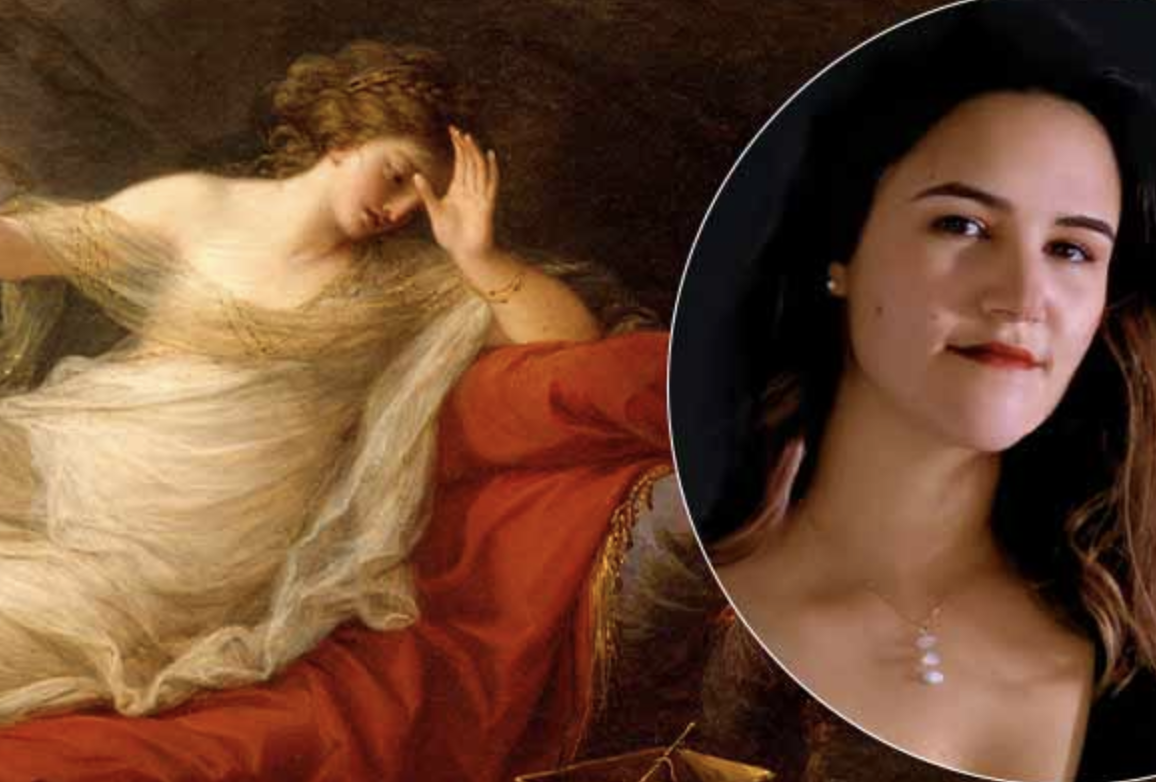
Aryssa Leigh Burrs, mezzo-soprano (Dido), Edward Vogel, baritone (Aeneas), Andréa Walker, soprano (Belinda), and Cody Bowers, countertenor (Sorceress) with the Apollo’s Singers.
Jeannette Sorrell: I think Purcell’s music is just so exquisite. And the story of Dido and Aeneas is timeless and as poignant today as it was thousands of years ago when Virgil wrote it — the noble, brilliant queen who is jilted and abandoned by a man who says he’s leaving to follow his destiny.
But there’s this question: was it destiny, or betrayal, or just ambition? And that’s a question that affects human relationships every bit as much today as it did when the piece was written.
 Mike Telin: Are you going to leave the ending ambiguous or will you offer a possible conclusion?
Jeannette Sorrell: I would say that we are offering a possibility, but trying to leave it a little bit ambiguous as well. We’re definitely pointing out the fact that prominent people in power often talk about destiny when it is often just ambition — which we can certainly see in the world today.
MT: You’re including more of Purcell’s music from King Arthur and the Fairy Queen. His music always makes me so happy.
JS: I think the major key pieces, like the Chaconne from King Arthur, are so joyous because the harmonies are very emotional and clear and pointed. And then there’s this lilting rhythm that is so buoyant and lifts the spirits.
MT: Do you think Dido and Aeneas is an opera, or is it from that world before opera comes into being?
JS: People usually say that Monteverdi’s Orfeo was the first opera. And, of course, that was earlier than Dido. But you know, Dido was written to be performed by the girls at a boarding school. So you might call it a youth opera in terms of its scale — it’s short.
But the themes are very adult, in fact, so adult that apparently the parents of the girls at the school were totally shocked and up in arms that their daughters had performed this scandalous story about a woman who consummated her love out of wedlock. And then she’s jilted and left.
Mozart’s Requiem: A Tapestry — November 7 at St. Bernard Catholic Church in Akron and November 8 at Severance Music Center in Cleveland.
Sonya Headlam (soprano), Guadalupe Paz, (mezzo-soprano), Jacob Perry (tenor), Kevin Deas (bass-baritone), with soprano Elora Kares and Apollo’s Singers.
JS: I’m calling it a tapestry because as many of your readers know, Mozart died before he was able to finish the Requiem. He was kind of in a race to finish it — a race against time — but he did not win the race. So there are several movements that he did not write at all, and then there’s a movement where he only wrote the first few bars.
People are used to hearing the piece in a completion by his student. But I think most of us who are professional musicians tend to agree that the movements by Süssmayr are not great.
When I was thinking how to approach that, I thought about replacing the Lacrimosa, the Angus Dei, and the Sanctus — movements that Mozart did not write.
There are such beautiful and poignant movements with those titles in Damien Geter’s An African American Requiem. So it seemed like a wonderful chance to weave in some related spiritual and moving pieces by today’s leading Black composers. So what we’re doing is honoring the humanity that Mozart gave voice to in the Requiem.
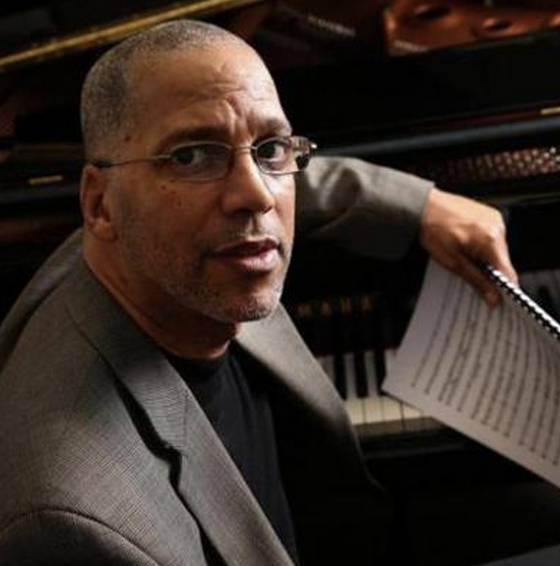 We commissioned Eric Gould’s 1791 Requiem for the Ancestors, and that will be a world premiere. 1791 was the year of Mozart’s Requiem.
Eric’s piece looks at voices of non-European cultures at the time when Mozart was writing the Requiem. So you have poetry by Phyllis Wheatley, who was a young enslaved person who had been brought from Africa to the United States. One of Eric’s movements is called “A Mother’s Pain,” and it gives voice to the experience of many enslaved African-American women in American history. We are proud to have commissioned the piece.
Damien Geter’s An African-American Requiem is a brilliant masterpiece that was premiered three years ago at the Kennedy Center. And Jessie Montgomery is a well-known composer, who is highly respected internationally. She wrote a set called Five Freedoms Songs, which are spirituals. We’re doing three of those. Again, it’s a different language that has the same message as Mozaŕt’s Requiem,
We’ll be filming it at the Severance concert. Eventually it will be up on YouTube so we can share it with more people.
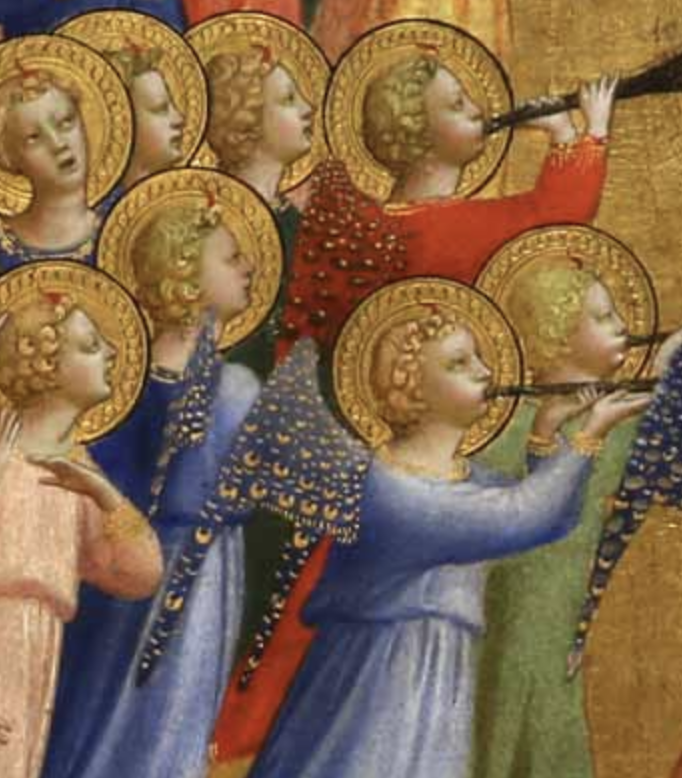 Praetorius Christmas Vespers — December 12 through 21.
Rebecca Myers, Andréa Walker, and Molly Netter (sopranos), Doug Dodson (countertenor), Michael Jones and Matthew Newhouse (tenors), and Matthew Dexter (bass) with Apollo’s Singers and members of Apollo’s Musettes (Treble Youth Choir).
JS: I’m happy to be returning to it. It’s one of my favorite Christmas programs because it’s multi-generational. And it features our small but excellent youth choir, the Musettes and a couple of child soloists.
It also has an incredible instrumentation with the early brass, the very mellow cornetti and theorbo. We’ll have a harp this time. And there’s a lot of pageantry.
Pretorius liked to put different groups of musicians in different parts of the church, including balconies. So it’s a little bit like the Monteverdi Vespers, but for Christmas.
Winter Sparks from Bach & Vivaldi — January 29 through February 1.
Kathie Stewart (flute), Debra Nagy (oboe), Alan Choo (violin), and HyunKun Cho (viola da gamba). The program features a lively Vivaldi oboe concerto, Bach’s Orchestral Suite No. 2, and Marin Marais’ Sonnerie de Sainte Geneviève.
JS: The Marias is a very famous chamber piece and we will be expanding a little bit by adding a few extra players. It’s a piece that really grabs your attention.
Palace of Versailles — March 5 through 8.
Apollo’s Fire assistant artistic director Alan Choo leads a program of music by Lully, Marais, and Rameau.
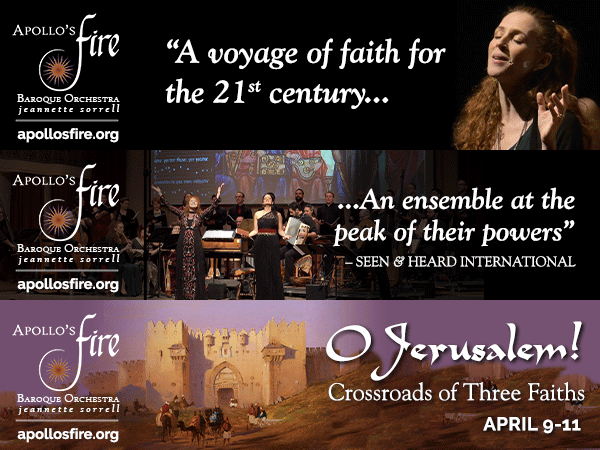
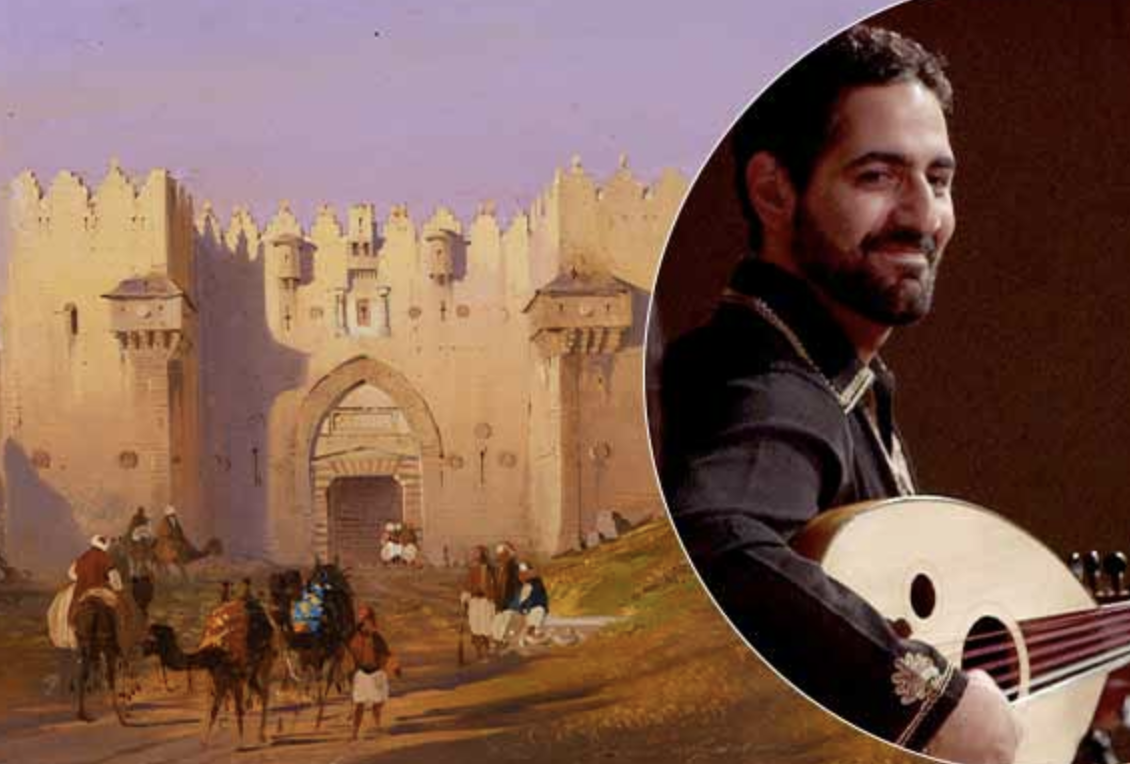 O Jerusalem! Crossroad of Three Faiths — April 9 through 11.
Daphna Mor (vocals, recorder, and ney), Ronnie Malley (oud & accordion), Aryssa Leigh Burrs (mezzo-soprano), Jacob Perry (tenor), and Edward Vogel (baritone), with Apollo’s Singers.
MT: You’re bringing back this wonderful program — one that is very personal to you.
JS: The reason it’s coming back is because a concert series in New York contacted us and specifically asked for this program. So we’ll be performing it in New York as well as in Chicago and London.
When I was first putting the program together was right around the time I learned that my father is Jewish and had hidden that from us for my entire life — that was really a big revelation. At the same time we made a trip to the Holocaust Museum and learned about the experiences that he had had in World War II, which he had completely hidden from us because he just didn’t want us to grow up with that kind of trauma.
Learning all of that while I was working on this program, as you can imagine, was very intense. Of course it’s intense now because of the tragic, terrible war between Israel and Hamas.
The point of this program has always been to highlight the times in history when these groups in Jerusalem actually got along and ate together, celebrated together, and sang together.
The group of performers includes my friend Daphna Mor, who is Israeli, and my friend Ronnie Malley, who is Palestinian. They’re both amazing musicians and deeply steeped in this music. They’re also dear friends. So for all of us who are involved, it’s a really emotional and intense experience sharing this music.
We hope that it will help everyone to see that we’re all in this together. We’re all brothers and sisters of the same planet. And the music shows that because you hear music of Monteverdi that sounds very much like the music of the Jewish temples, which in turn sounds very much like certain Arabic pieces.
I should also mention that this is a new and fresh version of the program, so several pieces are new.
Fencing Match: Round Two — Special Tour Send-Off Concert on April 16 at Avon Lake United Church of Christ.
Kathie Stewart (flute), Daphna Mor (recorder), Alan Choo & Emi Tanabe (violins), and Rebecca Landell (cello).
Apollo’s Fire principal players perform double-concertos by Bach, Vivaldi, and more. Following the performance, the program will travel to London.
Residency at St. Martin-in-the-Fields
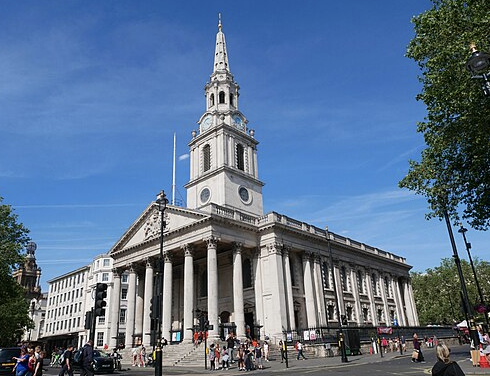 JS: The UK residency is during the last week of April. Three of the concerts are at London’s St. Martin-in-the-Fields in Trafalgar Square which is such a beautiful venue for Baroque music.
There’s also a concert at Snape Maltings, which is a beautiful historic concert hall in the countryside near the village of Aldborough — we’ve played there a few times before.
We’re encouraging our Northeast Ohio patrons to consider coming with us. It’s a great opportunity to hear four or five different Apollo’s Fire concerts in a beautiful venue right in the midst of London, where you can also go to the theatre and to museums. It will be a lot of fun and I hope to have quite a few patrons coming with us.
Published on ClevelandClassical.com September 25, 2025.
Click here for a printable copy of this article
