


by Stephanie Manning
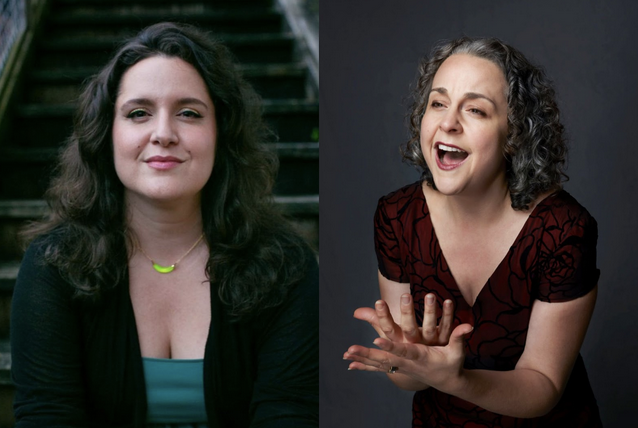 The Venn diagram of performers who love early music and those who love new music is closer to a circle than one might think. Take soprano Estelí Gomez, who is as likely to appear on a Baroque program as she is on a contemporary one.
“One of the reasons people love doing both is that the composer has a lot of excitement for and trust in the performer,” Gomez said in a recent interview.
From the composer’s perspective, that idea of artistic freedom is “wonderfully liberating,” Gilda Lyons said in that same Zoom call. While research is important, “I’m never going to know as much as the performers do about their specific instrument. So I’m going to leave space for them to be the artists that they are.”
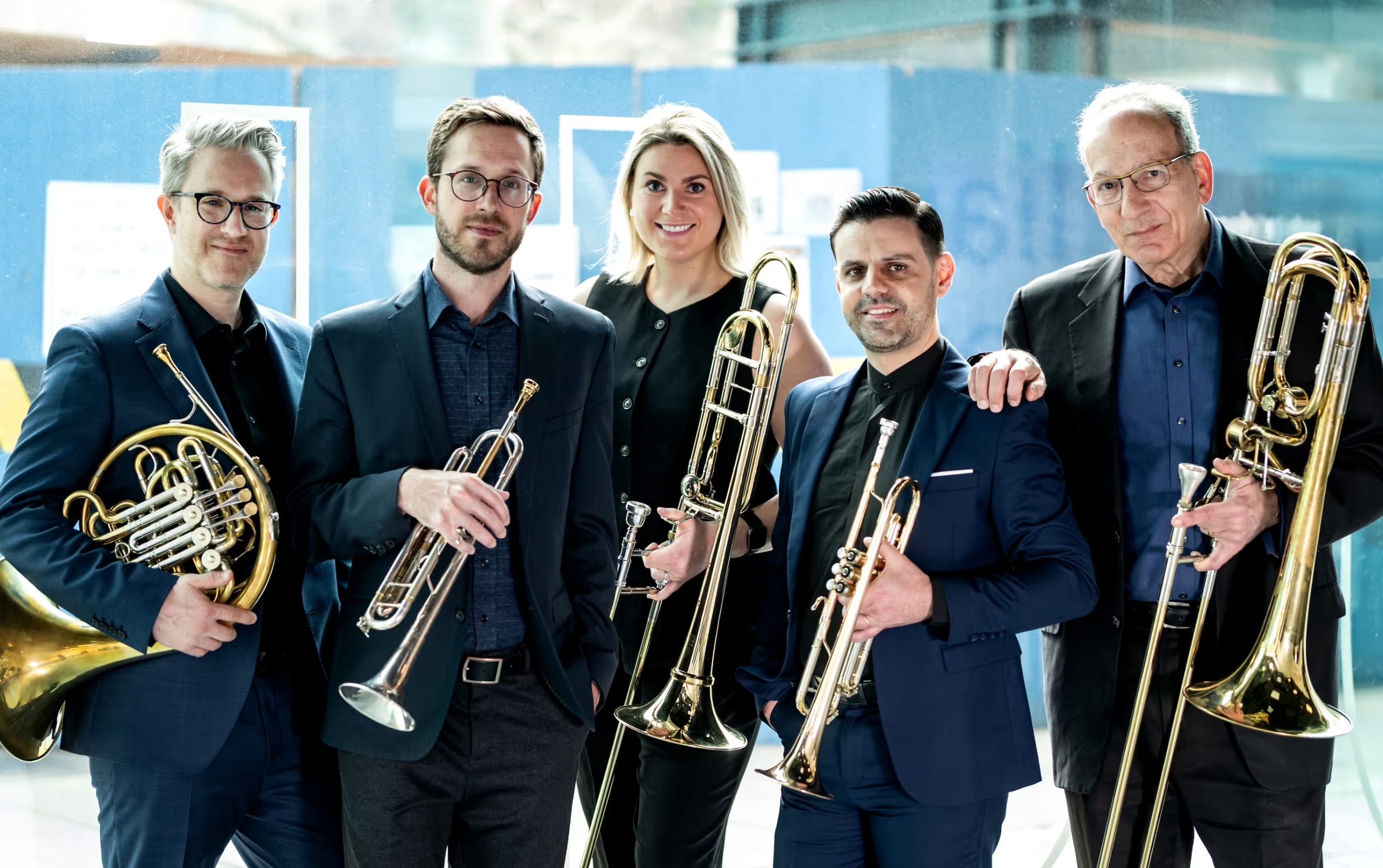 With more than 65 years as an ensemble under their belt and a commitment to commissioning new works, the American Brass Quintet has a lot of repertoire to choose from. “We’ve got such an extraordinary wealth of music,” bass trombonist John Rojak said. For at least the past 15 years, “every piece that has been coming in is one we want to keep playing.”
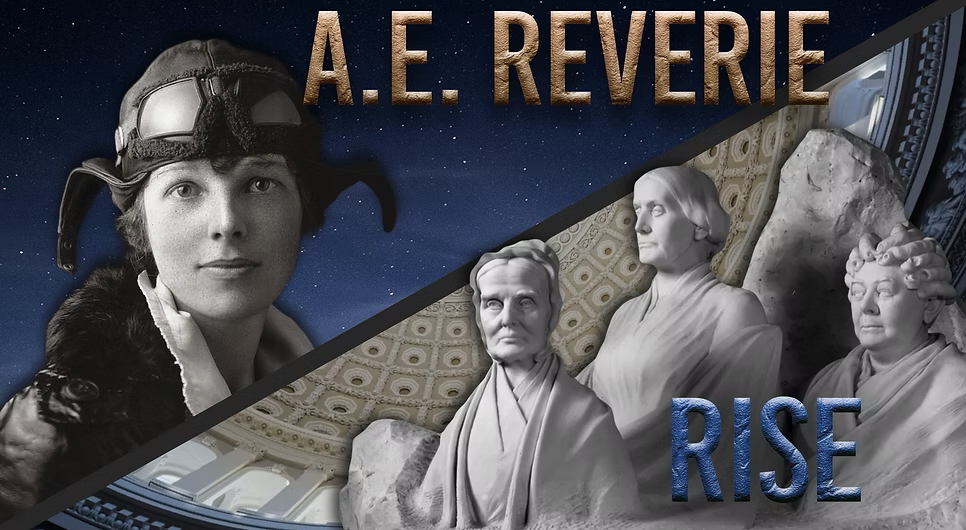 Asked at the post-concert talkback about her musical influences, composer Kamala Sankaram described an eclectic hodgepodge — Kaija Saariaho, Radiohead, and the Cameroonian electronic musician Francis Bebey, to name a few. “For the most part, things that I write sound very different from each other,” she said. “So it’s interesting that these two pieces sound kind of similar.”
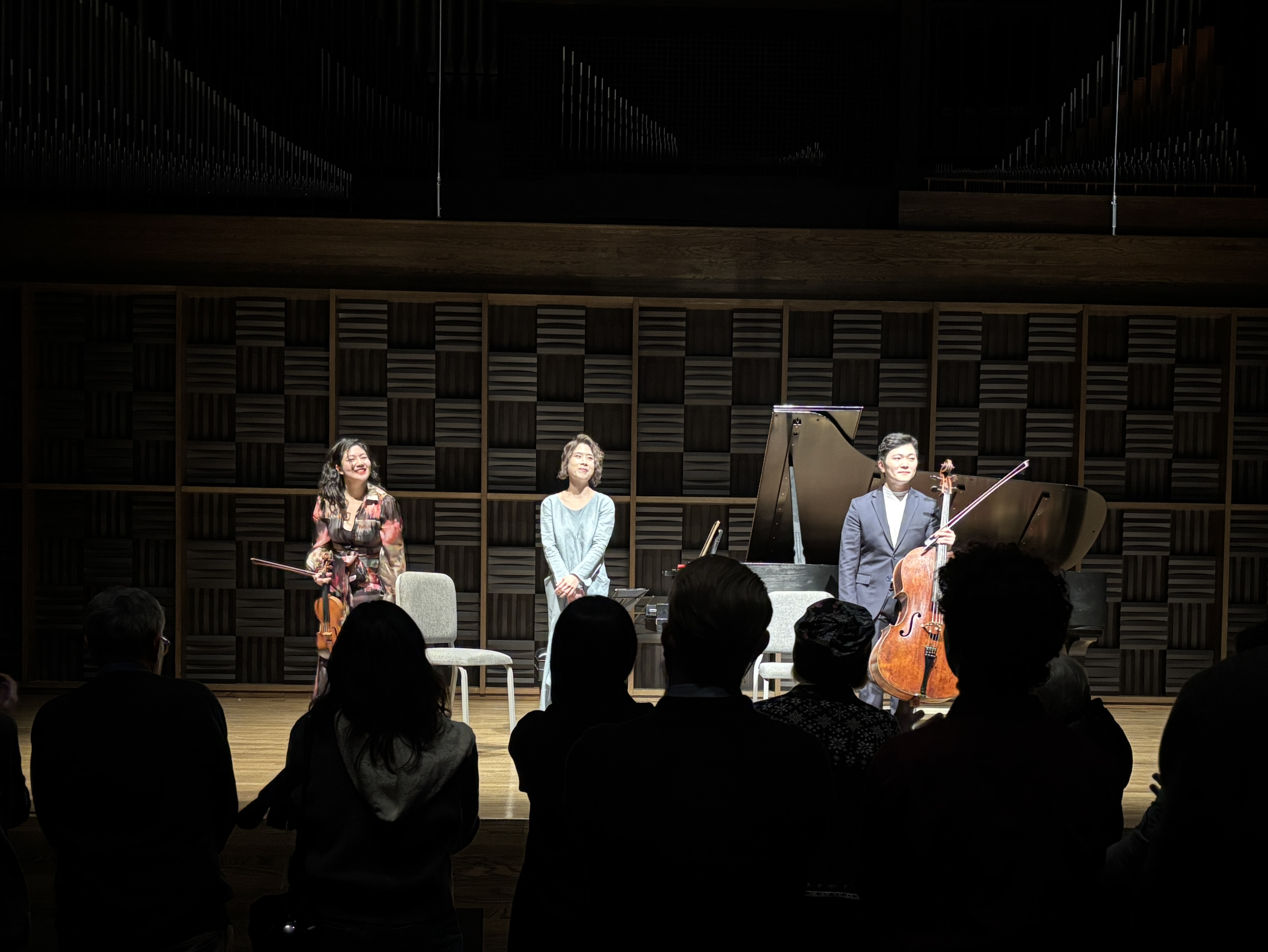 Despite the frigid Wednesday weather dumping snow outside the Cleveland Museum of Art, January 14 almost felt like a pleasant spring day inside Gartner Auditorium. That phenomenon had nothing to do with temperature and everything to do with Trio Seoul, whose warm camaraderie and excellent musicianship brightened the venue considerably.
 This article was originally published on
 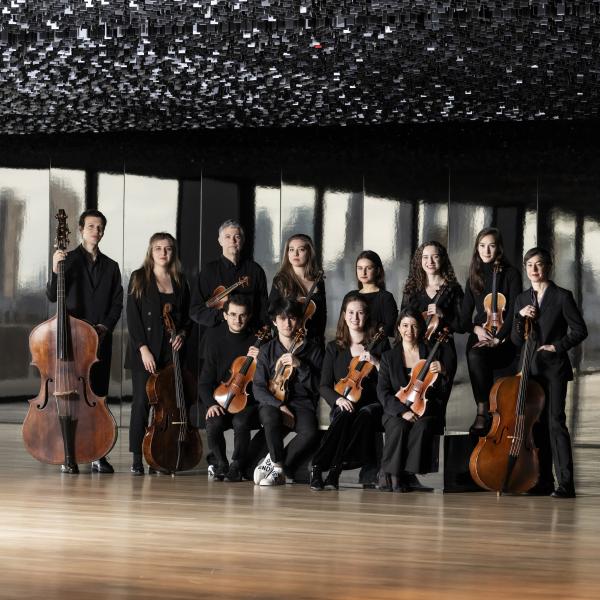 Performing a work as ubiquitous as Antonio Vivaldi’s The Four Seasons requires a delicate balance. At its best, the musicality and intention must be crystal clear, so that the end result feels as fresh as it does familiar. It’s a high bar, but one that Les Arts Florissants cleared with the utmost ease.
 Reposted with the permission of Oberlin Conservatory