by Peter Feher
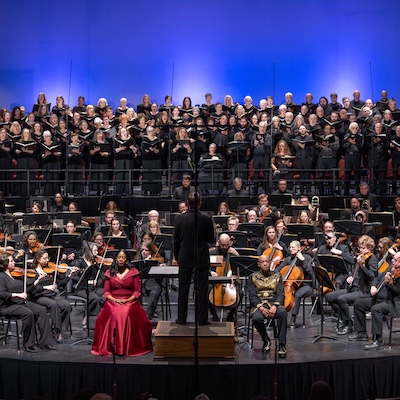 For a moment during the Akron Symphony’s season-finale performance of Carl Orff’s Carmina Burana, conductor Christopher Wilkins seemed to consider inviting the audience to sing along.
It would have been very much in keeping with the spirit shared throughout E.J. Thomas Hall on Saturday evening, May 9. The orchestra winningly combined local pride and popular classics to conclude the concert year, and as if on cue, the community turned out in enthusiastic response.
With Orff as the main offering, the Akron Symphony attracted its biggest audience for a classical program in a decade, according to the organization’s own tally.
Called on as choristers, any crowd could probably manage a passable imitation of the famous opening “O Fortuna” — those fateful clashing chords that set the wheel of Carmina Burana spinning. But someone listening attentively to the piece might be tempted to join in whenever a refrain starts up.
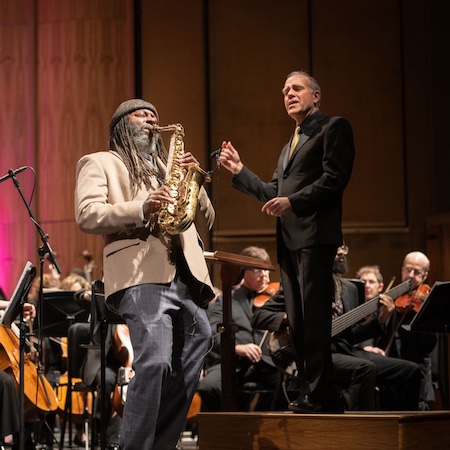
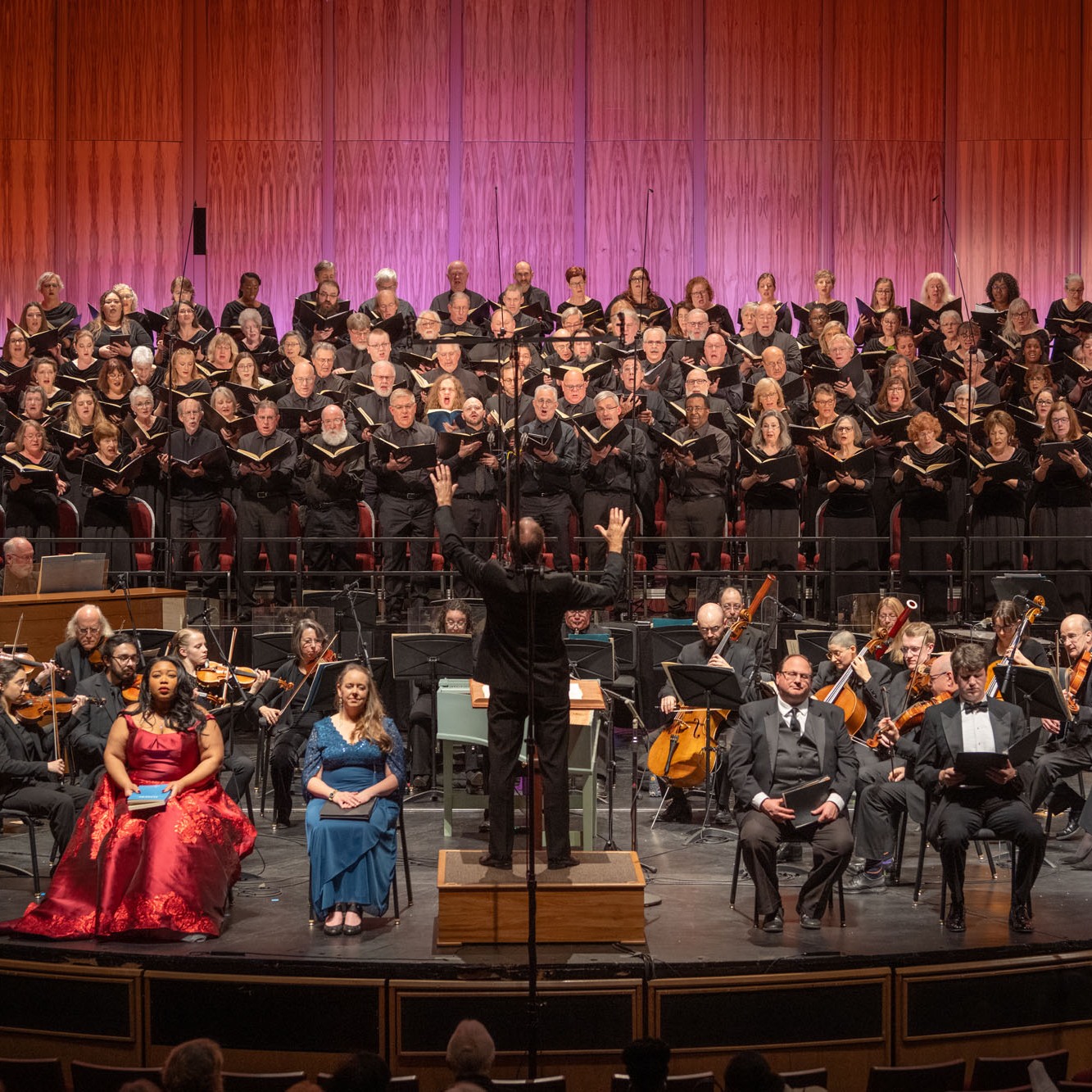 The holiday season got off to an early start at E.J. Thomas Hall over the weekend, with the Akron Symphony and Chorus reveling in a performance of Handel’s Messiah.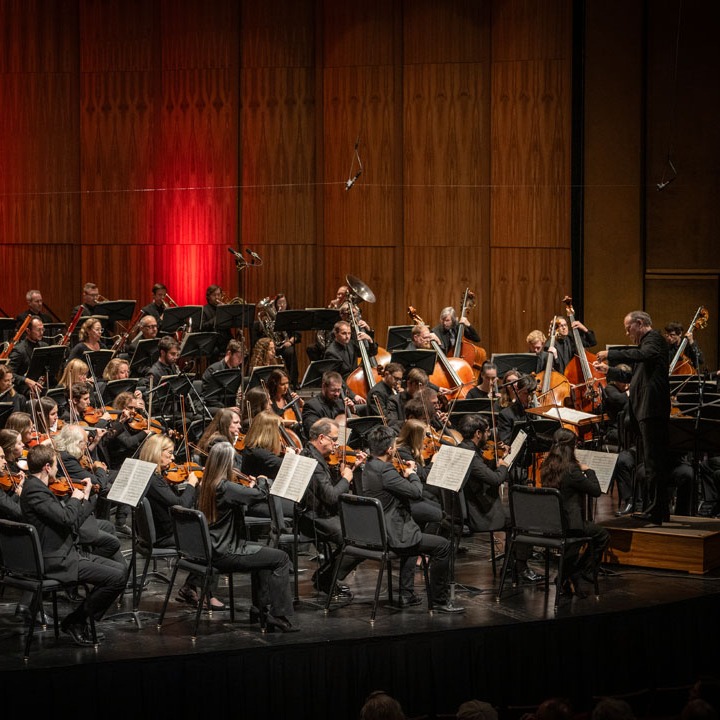
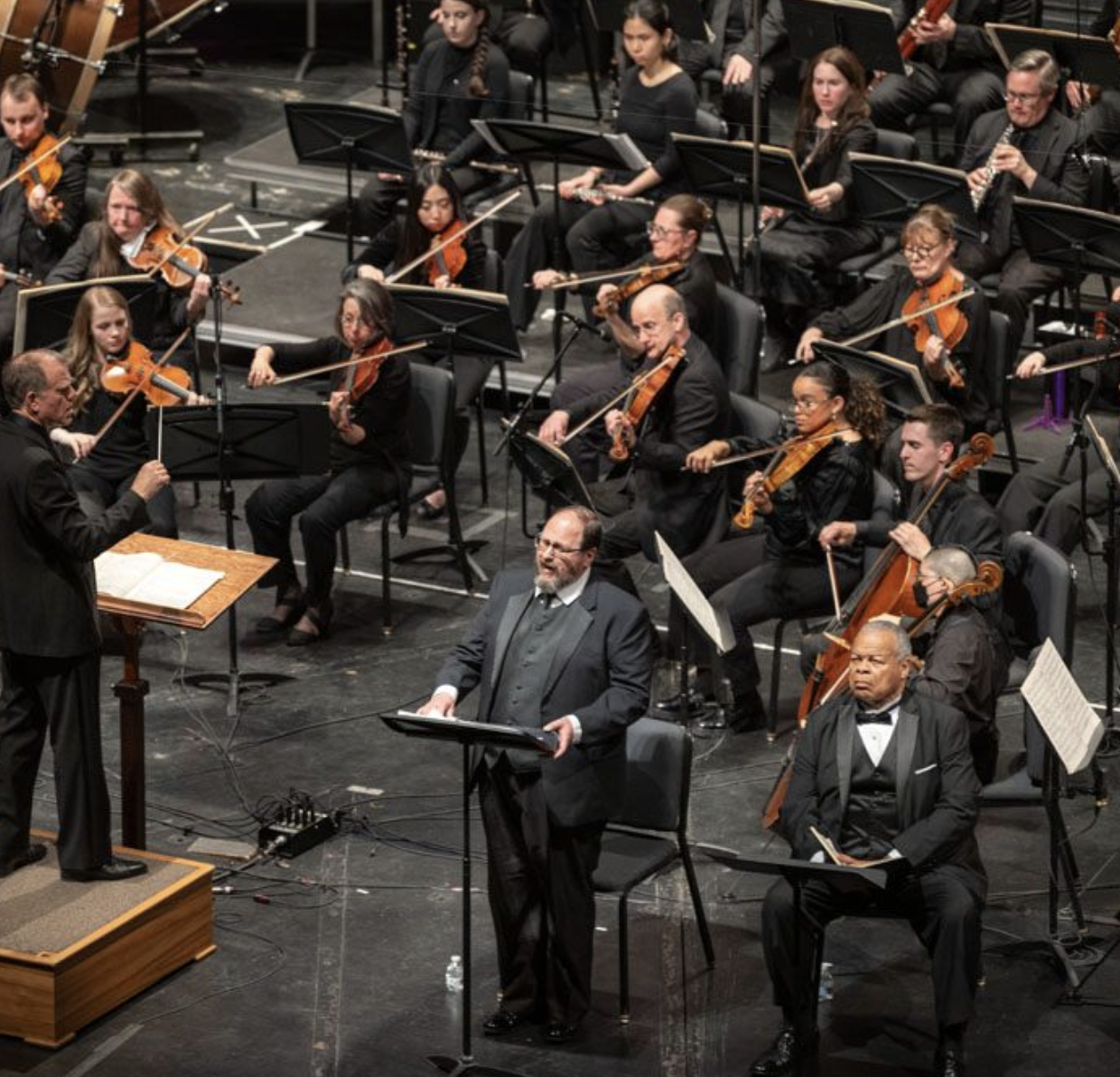
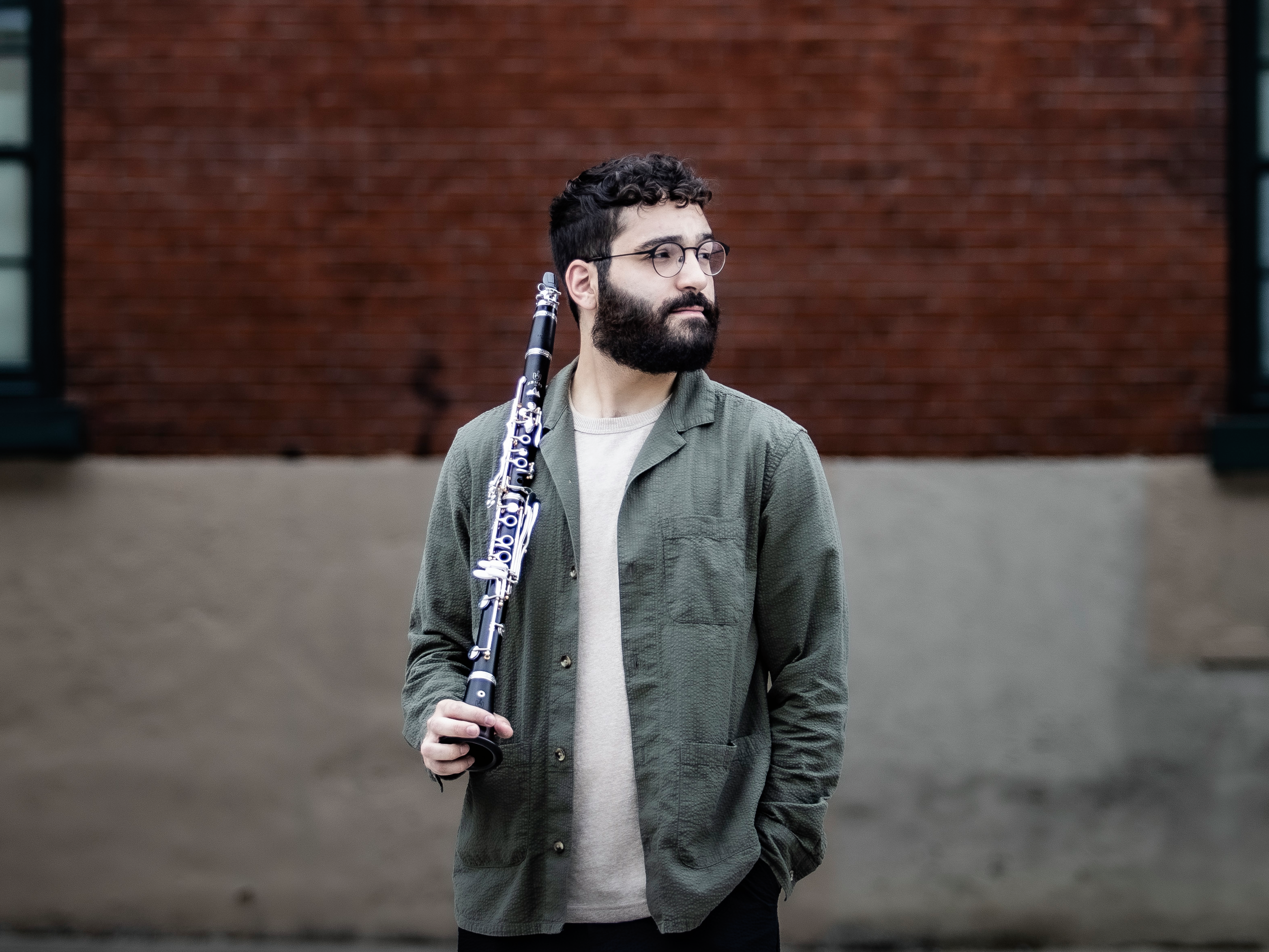 When Amer Hasan introduced himself to the Akron Symphony in 2019, he did so with the opening movement of Mozart’s Clarinet Concerto. “ It was the first piece that I played for Maestro Wilkins in my audition, behind the screen,” Hasan recalled in a recent interview. “So the first three minutes of the concerto is not only the first music I associate with auditions, but also with the Akron Symphony.”
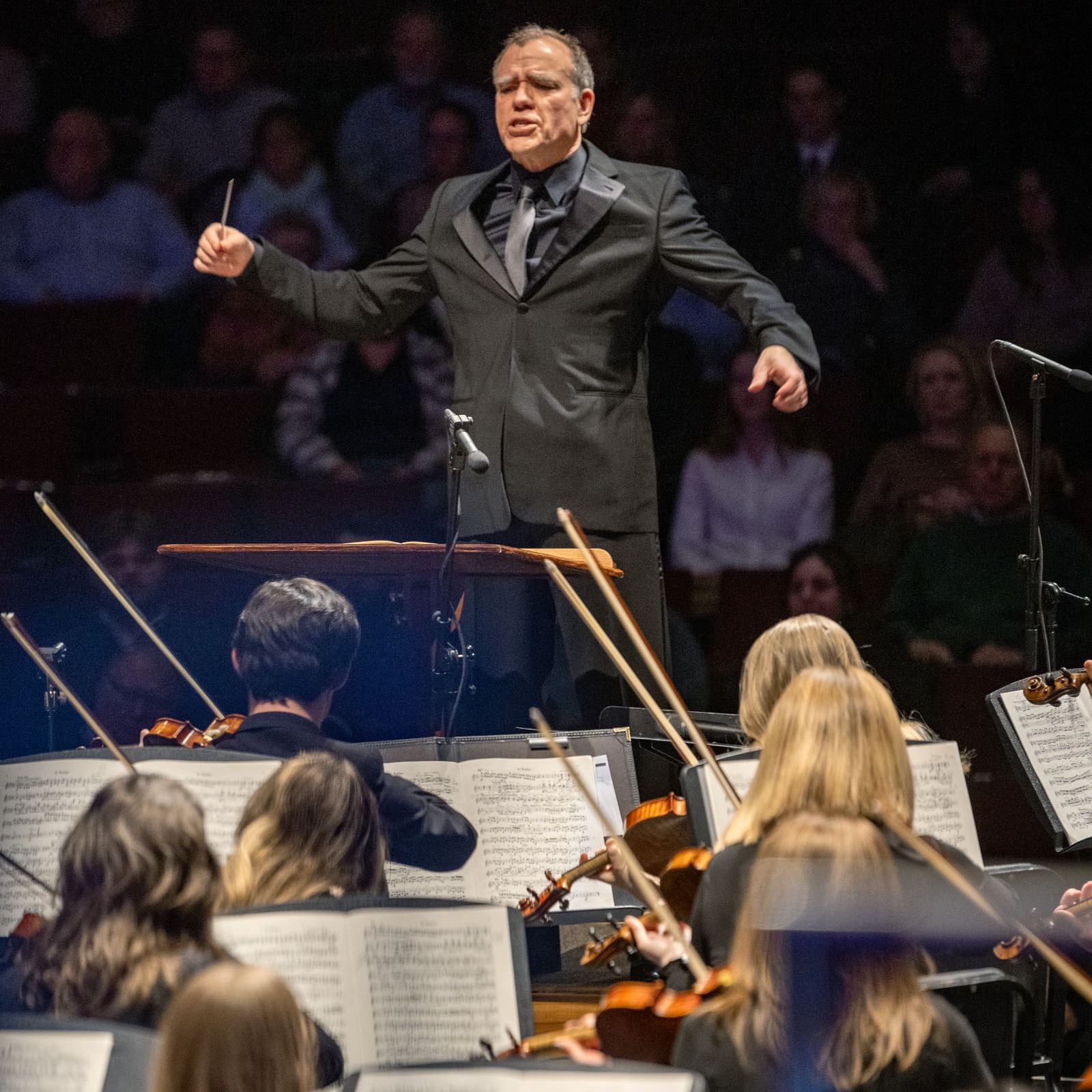 “Welcome to Mahler’s 2nd,” read the program leaflet I was handed while entering E.J. Thomas Hall on March 1. “You’re in for an emotional rollercoaster — big drama, quiet reflection, and an ending that will shake the walls (and maybe your soul).”
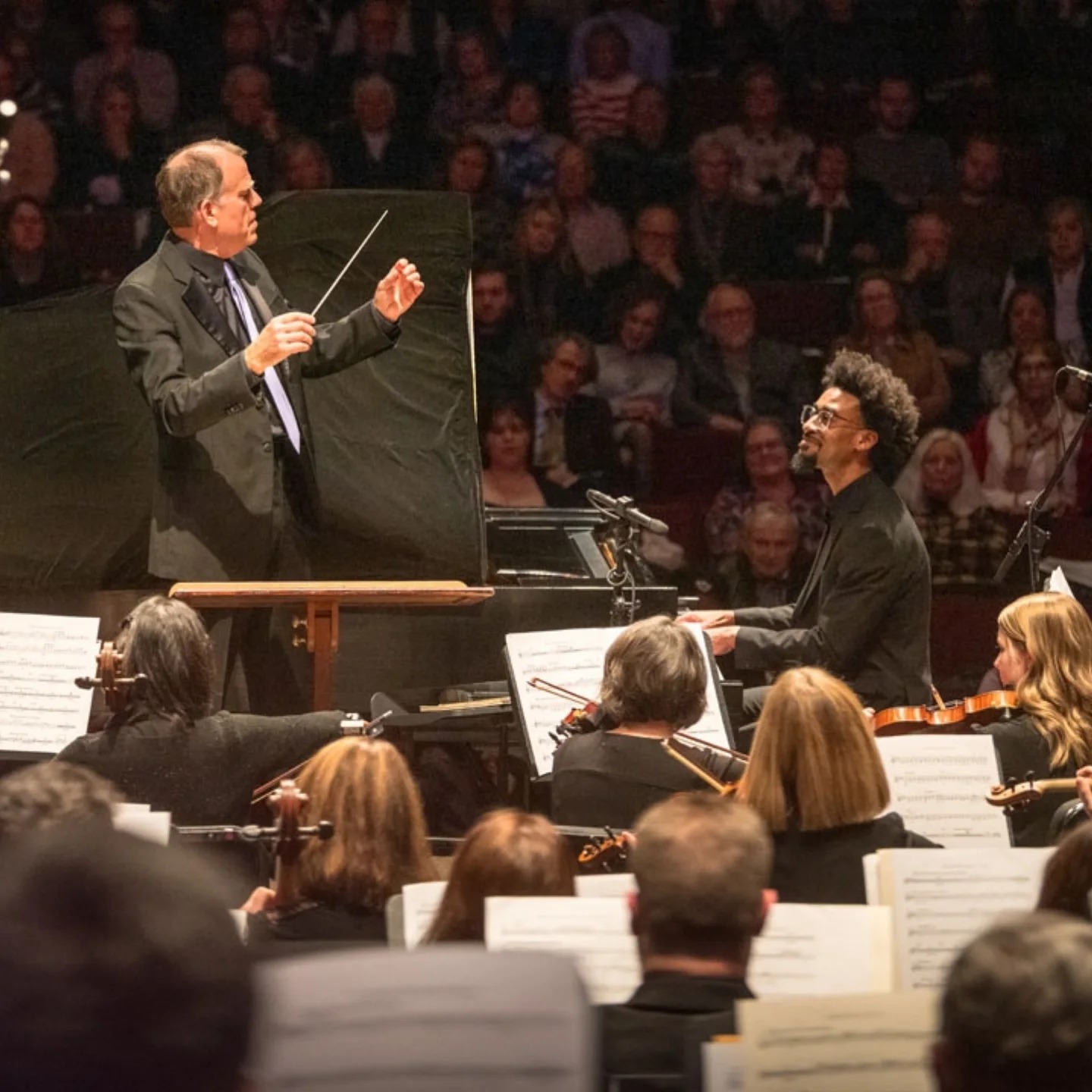 The subtitle of William Grant Still’s Symphony No. 4, “Autochthonous,” made for a little vocabulary lesson at the Akron Symphony last weekend.
 Just before the Akron Symphony began their October 19 concert with Charles Ives’ The Unanswered Question, the audience was suddenly presented with a question of their own. Why were the musicians leaving the stage right after tuning?