


by Peter Feher
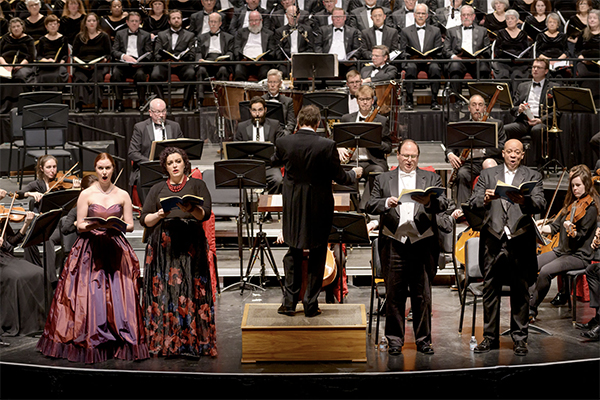
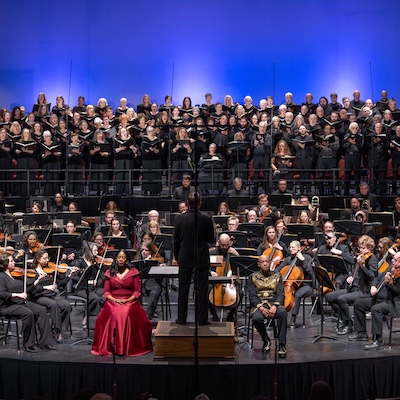 For a moment during the Akron Symphony’s season-finale performance of Carl Orff’s Carmina Burana, conductor Christopher Wilkins seemed to consider inviting the audience to sing along.
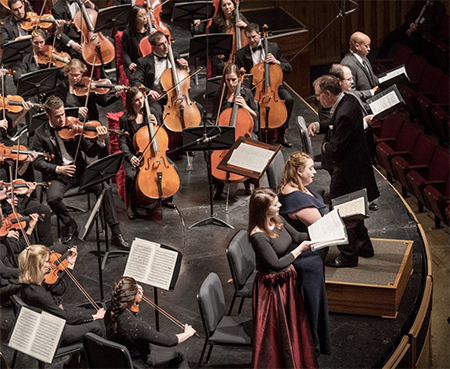
It would have been very much in keeping with the spirit shared throughout E.J. Thomas Hall on Saturday evening, May 9. The orchestra winningly combined local pride and popular classics to conclude the concert year, and as if on cue, the community turned out in enthusiastic response.
With Orff as the main offering, the Akron Symphony attracted its biggest audience for a classical program in a decade, according to the organization’s own tally.
Called on as choristers, any crowd could probably manage a passable imitation of the famous opening “O Fortuna” — those fateful clashing chords that set the wheel of Carmina Burana spinning. But someone listening attentively to the piece might be tempted to join in whenever a refrain starts up.
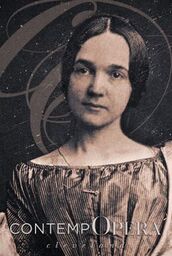 During the Civil War, writer Mary Chesnut — the wife of a senator and Confederate officer — kept a diary where she recorded significant moments in the conflict, wrote about the state of Southern society, and revealed secret feminist and abolitionist views.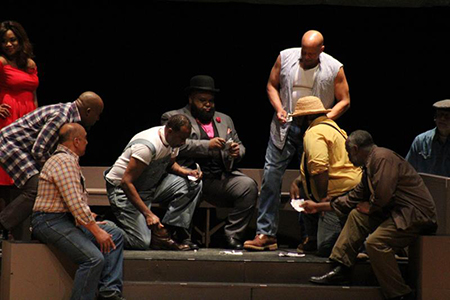
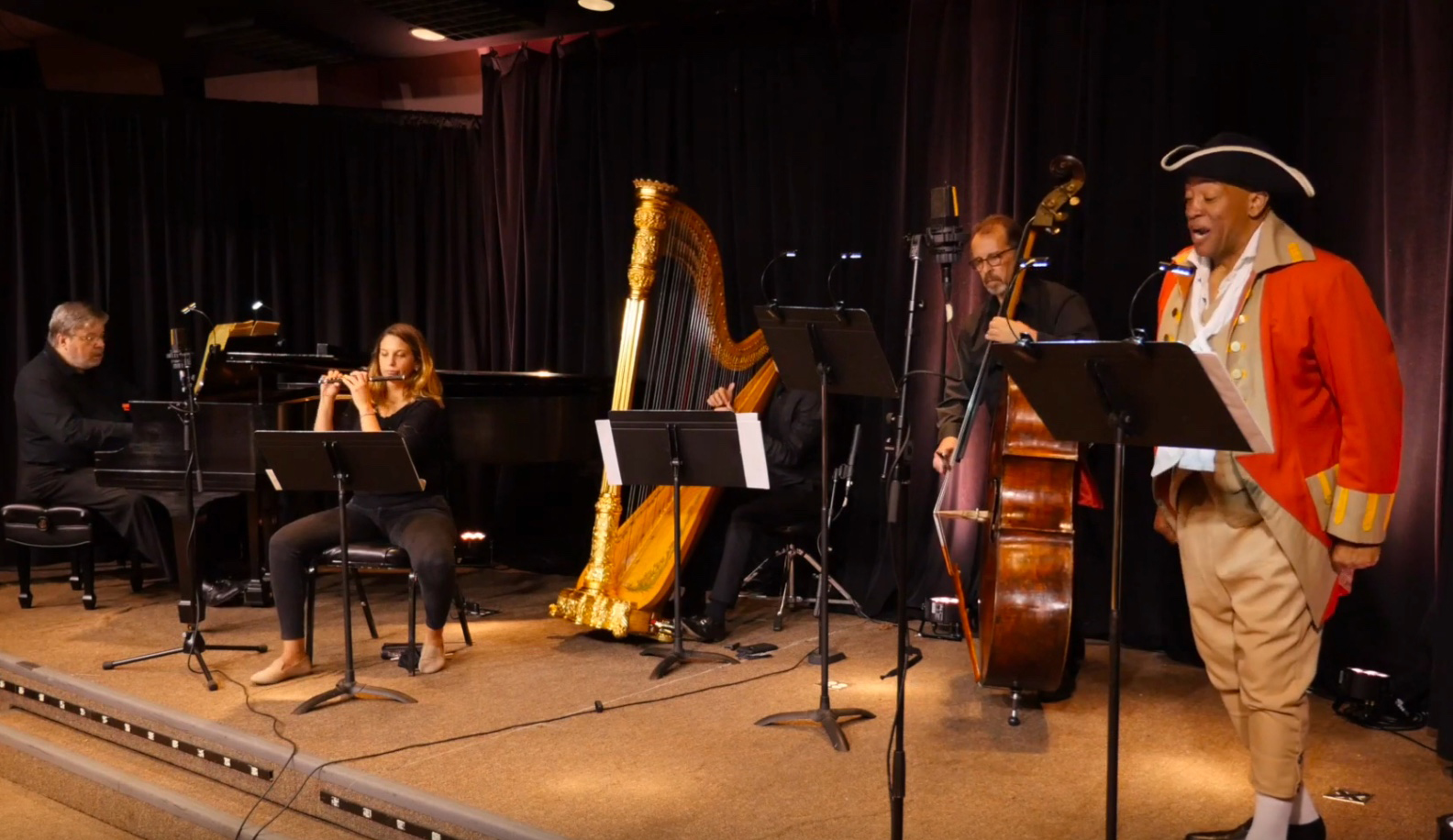
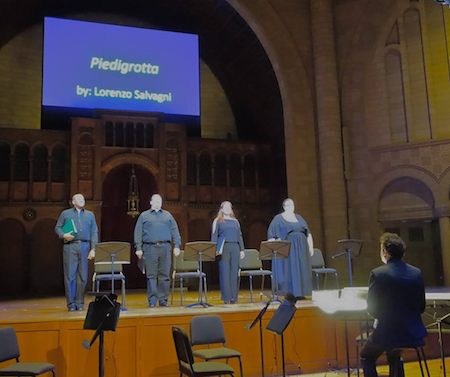 In an age when the word “opera,” to most, means the historical canon — that body of works that recirculate through the world’s houses each year — it bears repeating as often as possible that new efforts in the genre have flourished of late. Thanks to the combined efforts of the Cleveland Opera Theater, the Maltz Performing Arts Center at the Temple-Tifereth Israel, the Cleveland Composers’ Guild, and the Baldwin Wallace and Oberlin Conservatories of Music, Northeast Ohio audiences recently had a chance to hear scenes from three new works-in-progress by area composers and librettists.