



by Kevin McLaughlin
 Strange thing about masks: they sometimes reveal more than they conceal.
In “Masquerading Melodies,” Studio Espressivo’s latest program, pianists Allison Hillier and Chris Neiner, violinist Zachary Brandon, and tenor Timothy Culver turned to the world of commedia dell’arte with its clowns and lovers, disguises and reversals, and found in it a way of letting characters speak plainly from behind their disguises.
The program, presented on June 7 at the Studio’s gallery in Little Italy, was cleverly assembled. The characters wandered in from different countries and across two centuries, but all belonged to the same unruly comedy troupe.
Neiner and Hillier’s four-hand account of Gabriel Fauré’s Overture from Masques et bergamasques opened the program with style and dispatch. Written late in Fauré’s life for a Monaco entertainment with roots in commedia, the piece looks backward without sounding ancient. The pianists brought out its clean lines and elegance — French wit without caricature, charm without sucre.
 What do Colombina, Harlequin, Pantalone, Pierrot, and Pulcinella have in common? They are all characters of the commedia dell’arte. This weekend they will be brought to life musically when Studio Espressivo presents “Masquerading Melodies.”
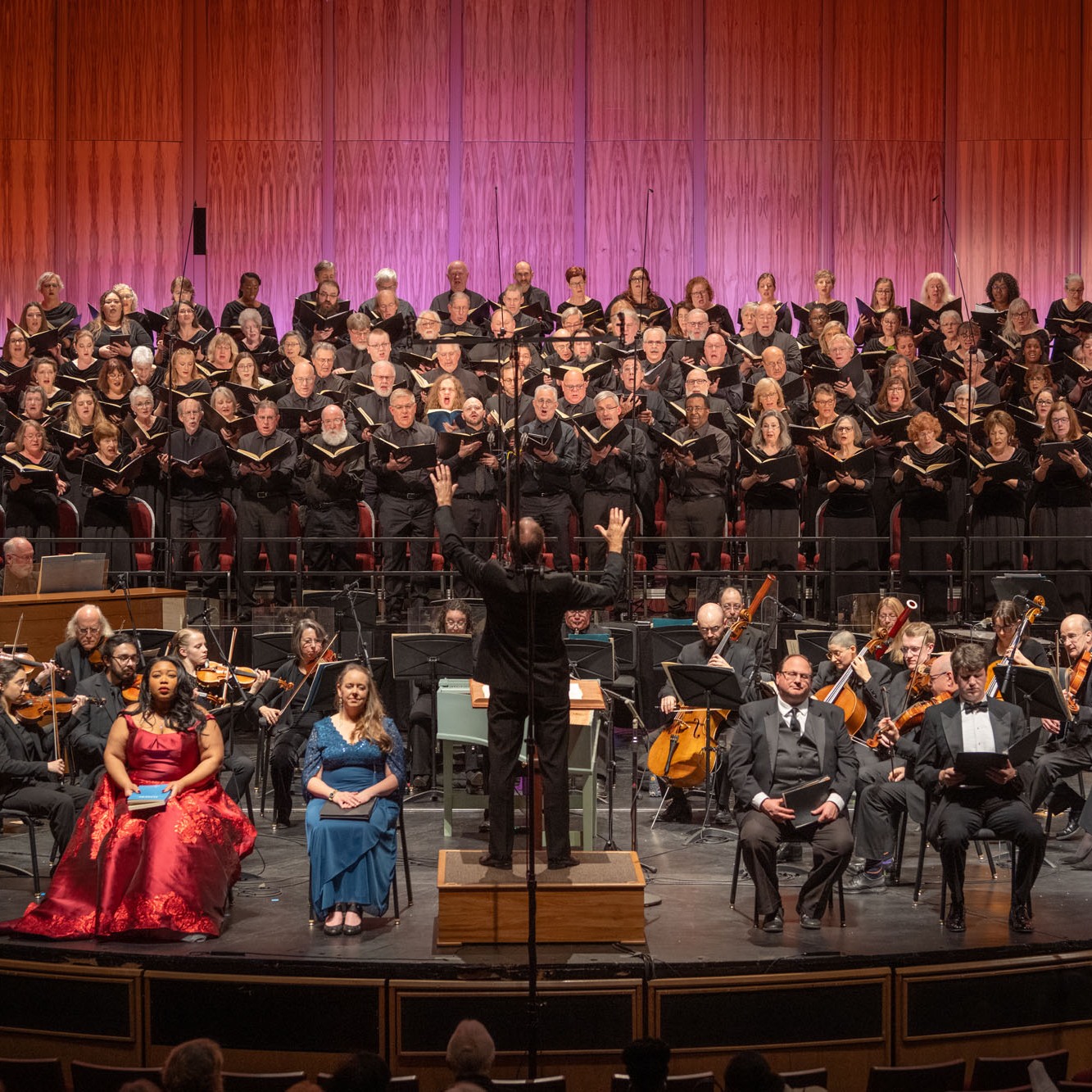 The holiday season got off to an early start at E.J. Thomas Hall over the weekend, with the Akron Symphony and Chorus reveling in a performance of Handel’s Messiah.
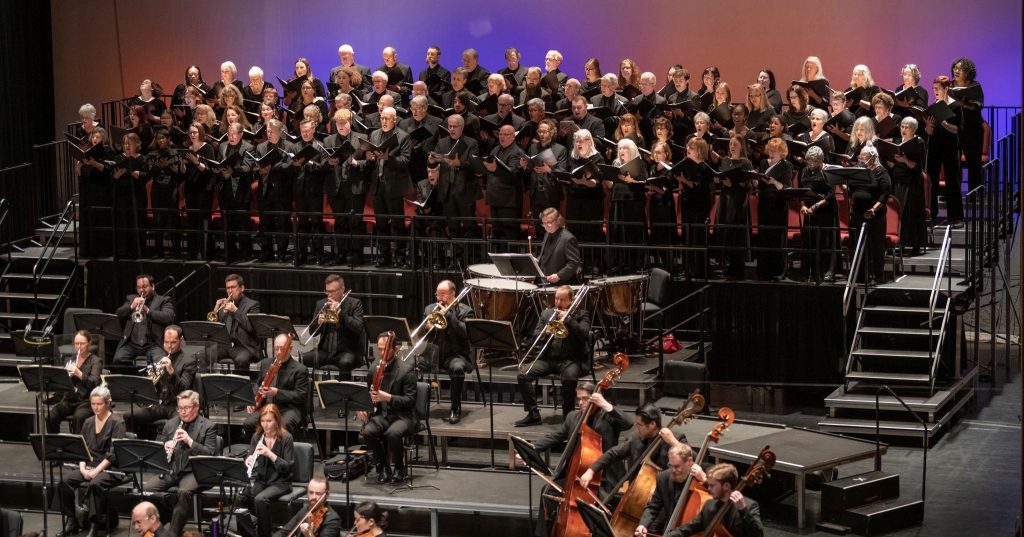 Unfinished works seem to be held in higher esteem for their being incomplete — the remaining music feeling more precious, conscious as we are of what else might have been lost. How to explain then, the impact of Mozart’s
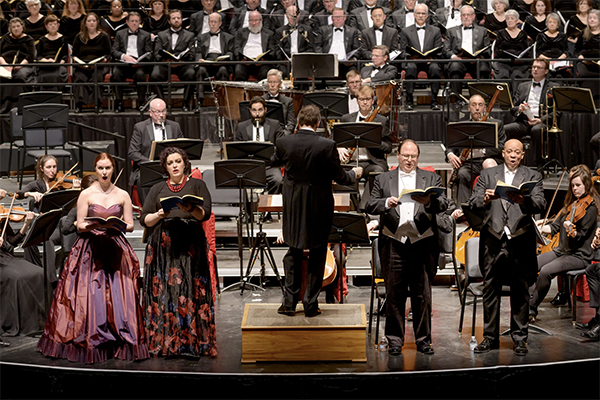
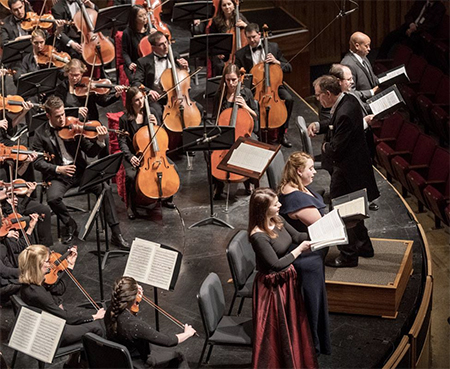
 Based on John Luther Long’s short story from 1898, Puccini’s opera
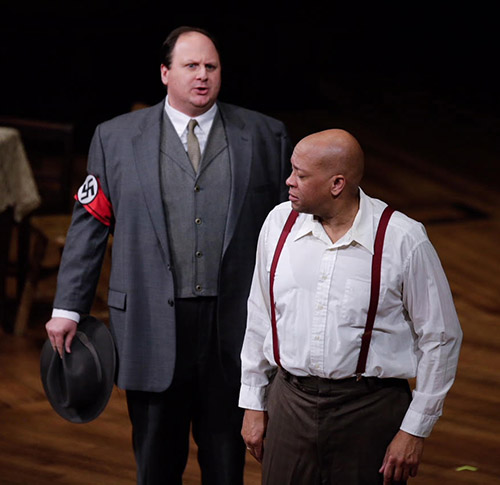
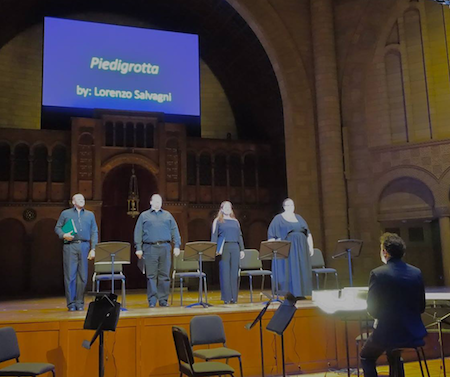 In an age when the word “opera,” to most, means the historical canon — that body of works that recirculate through the world’s houses each year — it bears repeating as often as possible that new efforts in the genre have flourished of late. Thanks to the combined efforts of the Cleveland Opera Theater, the Maltz Performing Arts Center at the Temple-Tifereth Israel, the Cleveland Composers’ Guild, and the Baldwin Wallace and Oberlin Conservatories of Music, Northeast Ohio audiences recently had a chance to hear scenes from three new works-in-progress by area composers and librettists.
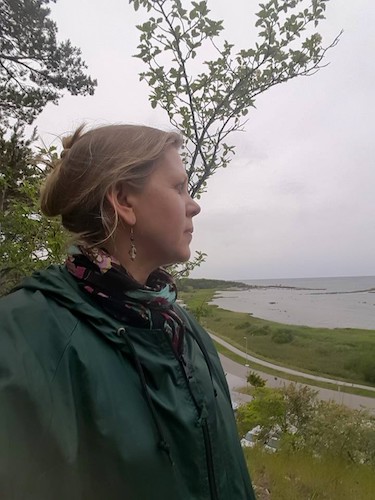 Although composer Dawn Sonntag was well-versed in writing art song, vocal chamber music, and works for chorus, there was one thing missing from her catalogue of works for the voice — an opera. “I wanted to compose one but I had not found a libretto that I connected with,” the Associate Professor of Music and Chair of the Music Department at Hiram College said during a telephone conversation.