



by Mike Telin
It was a battle of the early twenty-somethings last evening and judging from this impressive group the future of the piano is in good hands.
 Suah Ye (20, South Korea) started things off with Haydn’s Sonata in B Minor, Hob. XVI. Setting a jolly tempo, Ye’s Allegro moderato was full of nicely phrased lines, crisp articulations and tight trills. The Tempo di Menuetto had a sense of engaging intimacy, while the Finale-Presto was defined by dynamic contrasts and brisk tempos.
During Liszt’s Étude de concert, S. 144, No. 2 (“La leggierezza”) Ye played with an expansive sound, The cascading, Lisztian scale passages were tasteful and full of charm, like a music box. The concluding major chords — perfectly balanced. Ye concluded her set with a thoughtful performance of Chopin’s Etude in a, Op. 25, No. 11 (“Winter Wind”). Here the thorny technical passages and balances between the left and right hands were well controlled.
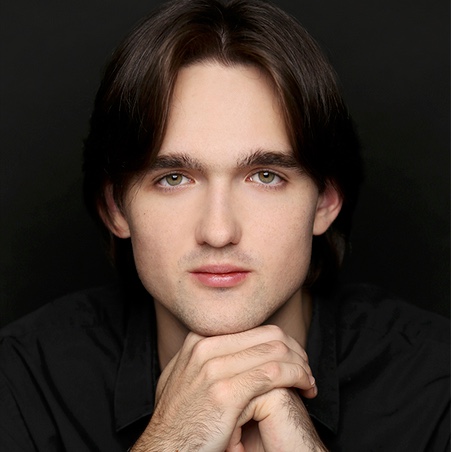 Mozart’s Sonata No. 17 in B-flat Major, K. 570 introduced Philipp Lynov (22, Russia) to listeners. The opening Allegro was charming, beautifully phrased and his dynamics captured the movement’s’ many moods. He made the simple melody of the Adagio an elegant aria — each note of the phrase growing out of the previous one. During the concluding Allegretto, the playful melody floated on top of even, unobtrusive Alberti bass lines. Lynov’s well-mannered interpretation captured the genius of the composer’s music — that mischievous humor.
The pianist was full of fire and fury during Chopin’s Etude in b, Op. 25, No. 10. The long legato second theme led to a magical transition back to the first.
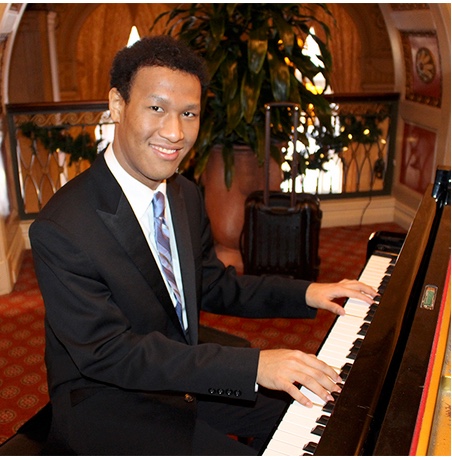 Clayton Stephenson (22, United States) also chose music of Haydn to open his set — this time the Sonata in D Major, Hob. XVI: 37. The pianist set a spirited tempo in the Allegro con brio. Never rushed, his handling of the movement’s technical demands was impressive, especially his left hand scale passages. His playing was expressive and full of life. The brief, sorrowful Largo wonderfully set up the joyful conversational motifs and sudden changes of character in the Presto, all of which Stephenson tossed off with aplomb.
The pianist was clearly in command of Guido Agosit’s transcription of Stravinsky’s L’Oiseau de feu. The story’s characters came to life during the Infernal Dance. Producing a full sound that never became bangy, Stephenson was attentive to the score’s sudden changes in tempo and color. The transition into the Berceuse was exquisite, while the well-paced Finale brought the performance to a grand conclusion.
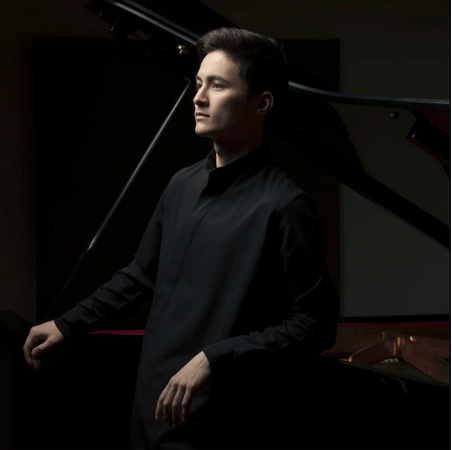 Chopin was Arsenii Mun’s (21, Russia) composer of choice. Beginning with the Ballade No. 1 in g, Op. 23, Mun brought an engrossing intimacy to the famous melody. Sparkling scale passages and masterfully shaped phrases highlighted the performance — as did his colorful tone.
In the Etude in C, Op. 10, No. 1, Munn shone as he traversed the keyboard with Chopin’s right-hand filigree, never obscuring the grand, melodic bass line.
The final work of the set and the session was the Rondo à la mazurka in F, Op. 5. The young pianist’s take on the Polish dance in triple time was highlighted by well-paced melodic lines, quick shifts in moods and changes of color, and an expansive sound palette — brilliant.
Published on ClevelandClassical.com July 16, 2021.
Click here for a printable copy of this article
