


by Daniel Hathaway
 Editor Daniel Hathaway is covering the 2017 Oberlin Baroque Performance Institute from June 18 through July 1 as an “embedded” harpsichord student, joining 123 other participants whose birth dates span a remarkable range from 1927 to 2003
He’ll be posting reports on a daily basis. Follow his narrative here (or click on “BPI 2017” in the navigation bar above).“Traveling Through the Baroque 1650-1750,” the theme of this year’s Institute is a two-week exploration of the cross-currents of Baroque music engendered by the journeys of composers between different European cultures.
My fellow travelers, who range in self-described experience from amateurs to professionals, include 29 violinists, 21 other harpsichordists, 15 violists da gamba, 14 singers, 10 cellists, 7 flutists, 6 bassoonists, 5 each of violists and recorder players, 3 lutenists (who may also play theorbo and guitar), and a single trumpeter and fortepianist.
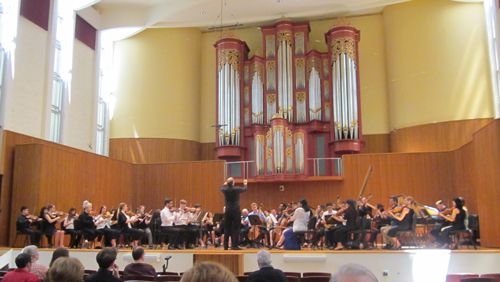
Daily activities will include master classes, lectures, coached ensemble sessions, and student orchestra rehearsals. Two Friday evening recitals will showcase the BPI faculty, and two Saturday afternoon concerts will put the work of student ensembles on view.
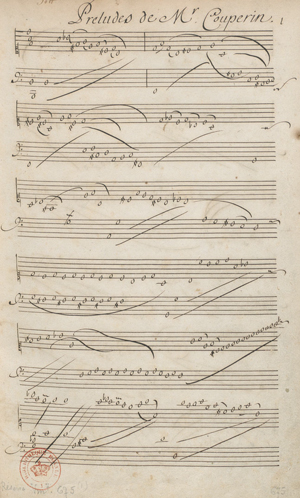
We harpsichordists have initially been asked to prepare a Louis Couperin unmeasured Prelude (no note values indicated), a piece by one of the English virginalists (William Byrd and colleagues), and a French work, ideally one that demonstrates Italian influences (in keeping with that cross-fertilization through travel theme).
 We will also participate in a nightly continuo workshop/lab to hone our skills in realizing figured bass (composers’ shorthand for supplying harmonies for ensemble pieces). The harpsichord faculty includes Oberlin Conservatory and BPI alum Skip Sempé, Berlin-based teacher and performer Mitzi Meyerson, who did graduate studies at Oberlin, Oberlin harpsichord professor Mark Edwards, Oberlin professor emerita Lisa Goode Crawford, and University of Michigan faculty member Joseph Gascho.
Having last played in a master class 22 years ago — and that was during an organ course in Haarlem — I’m approaching this experience both with enthusiasm and trepidation. Getting to see the sausage being made is one thing, but actually being part of the process is a little scary. Time to break out my old R. O. Morris figured bass exercises and re-read François Couperin’s L’art de toucher le clavecin. And decide how to make sense out of the elegant notational code of Louis Couperin’s D-minor Prelude non mensuré (see above). I’ll report in daily beginning on June 19.
Photo above: Catharina Meints leads a BPI viola da gamba class.
Published on ClevelandClassical.com June 13, 2017.
Click here for a printable copy of this article
