by Timothy Robson
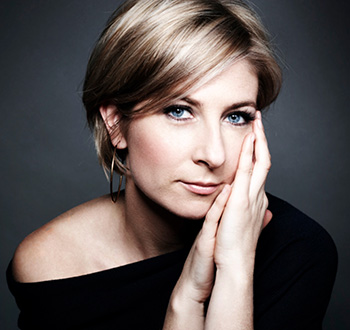 The Cleveland Orchestra billed last week’s concerts as “Romantic Mozart.” That may have been a great marketing gimmick to attract the Valentine’s Day crowd on Thursday evening, but the repertoire — all by Mozart, with a little help from guest conductor Harry Bicket — was the epitome of Classical elegance, with performances to match. The ensemble was pared down to chamber orchestra size, and there was no hint of “romantic” interpretation. [Read more…]
 It’s Valentine’s Day all week this week, and aside from the obvious gifts — flowers, chocolates, and shiny bling — there are a number of ways to take to heart the new advice of gifting your love interest experiences rather than things.