



by Timothy Robson
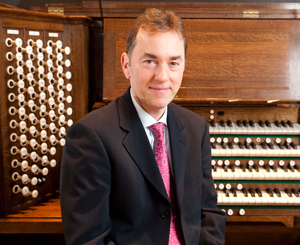 Thomas Trotter, for the past thirty years the Birmingham (England) City Organist, appeared at the Cathedral of St. John the Evangelist in Cleveland on Tuesday evening, November 19, for a recital sponsored jointly by St. John’s Cathedral, Trinity Episcopal Cathedral and the Cleveland Chapter of the American Guild of Organists. It was an elegant and satisfying concert from beginning to end.
In the 19th and early 20th centuries, before the invention of electronic recording devices, cities in Europe—especially in England—and the United States built large pipe organs in public auditoriums. These city-funded facilities were for the purposes of the musical education and entertainment of the citizens, especially in places where there was no symphony orchestra.
The city organist was expected to perform transcriptions of orchestral and chamber works, light and “novelty” music and patriotic marches, as well as literature written for the organ. [Read more…]