

by Daniel Hathaway
HAPPENING TODAY:
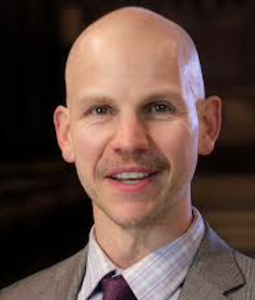 At 12 Noon, organist Shiloh Roby (pictured), director of music at Trinity Cathedral, will play works by John Cook, Herbert Howells, David Briggs, Gerre Hancock, and Eugène Gigout on the Church of the Covenant’s Tuesday noon series.
And two chamber music events go head to head tonight at 7:30. At Disciples Church in Cleveland Heights, the Cleveland Chamber Music Society presents the Leonkoro Quartet, while Tuesday Musical hosts the Marsalis-McAllister-Ames Trio (Branford Marsalis and Timothy McAllister, saxophones, and pianist Liz Ames) in Akron’s E.J. Thomas Hall. For details of this and other classical events, visit the ClevelandClassical.com Concert Listings.
TODAY’S ALMANAC:
by Jarrett Hoffman
Composer and pianist Margaret Bonds was born in Chicago on this date in 1913. On the performing side of her career, she made history as the first Black musician to solo with the Chicago Symphony when she performed John Alden Carpenter’s Concertino for Piano and Orchestra on June 15, 1933.
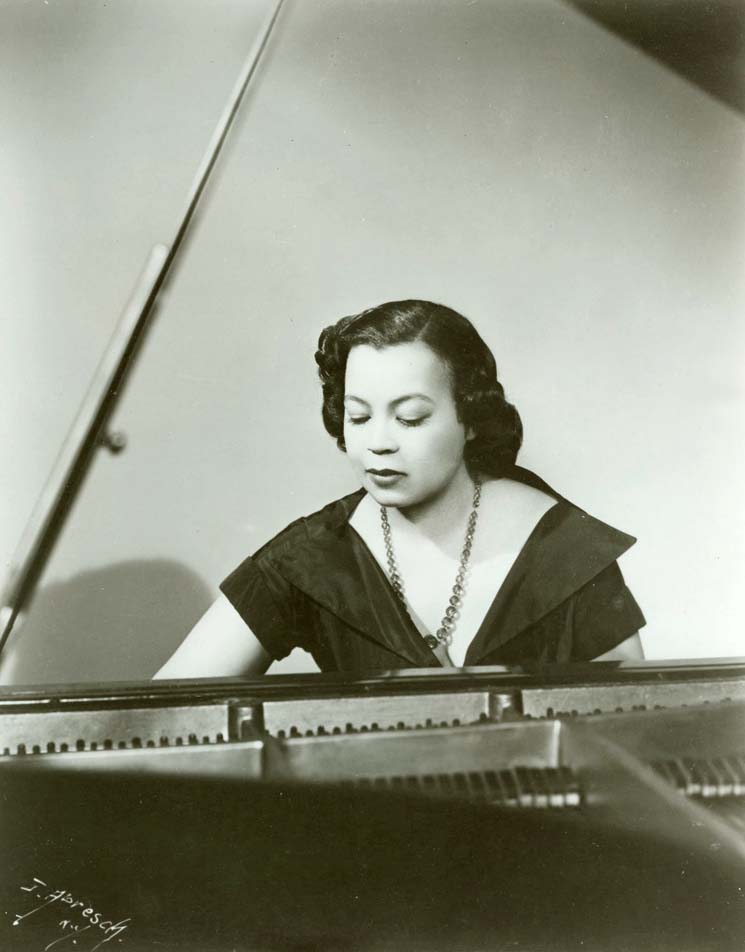 That historic concert under the baton of then-music director Frederick Stock also included Florence Price’s Symphony in e, the first composition by a Black woman to be performed by a major orchestra. That programming came about after Price won first prize in the 1932 Wanamaker Foundation Awards for her symphony, while Bonds took first in the song category for Sea Ghost.
Bonds and Price, 26 years the elder, shared friendship and support throughout their lives. That began with Price teaching piano and composition to Bonds when the latter was in high school. From there, as pianist and musicologist Samantha Ege told Laura Emerick for the Chicago Symphony’s Sounds & Stories,
When Price faced financial straits, Bonds’ mother, Estella, welcomed her into their home. When Price had deadlines to meet for music contests, the Bonds were there, helping her to meet those deadlines. And with Margaret Bonds being a chief interpreter of Price’s piano works, these works became a vehicle for Bonds’ talent. Their friendship was truly about uplifting one another.
But perhaps the most famous partnership in Bonds’ career was with Langston Hughes. She discovered his poetry in 1929 while studying piano and composition at Northwestern University, where she was one of the few Black students, and was not allowed to live on campus. She described that discovery to James Hatch in an interview in 1971:
I was in this prejudiced university, this terribly prejudiced place…. I was looking in the basement of the Evanston Public Library where they had the poetry. I came in contact with this wonderful poem, “The Negro Speaks of Rivers,” and I’m sure it helped my feelings of security. Because in that poem he tells how great the black man is. And if I had any misgivings, which I would have to have — here you are in a setup where the restaurants won’t serve you and you’re going to college, you’re sacrificing, trying to get through school — and I know that poem helped save me.
Bonds eventually met Hughes in person in 1936 at the home of an artist who was a mutual friend. An exhibition from the Georgetown University Library describes how their relationship progressed:
Shortly thereafter, Hughes attended one of the Sunday afternoon musicales hosted by Bonds’s mother, Estella. “My family rolled out the red carpet,” claimed Bonds. And from that day forward, “we were like brother and sister, like blood relatives.”
Bonds went on to set many texts by Hughes. As opera singer and scholar Louise Toppin told NPR on the centennial of Bonds’ birth, Bonds “loved the way he told the story of African-Americans and Harlem during this time…” Among the highlights of those settings, she wrote music for his play Shakespeare in Harlem, used his words in her cantata Ballad of the Brown King, and composed the song cycle Three Dream Portraits.
The cantata received its world-premiere recording in 2019, which you can hear in a playlist on YouTube as performed by The Dessoff Choirs & Orchestra under conductor Malcolm J. Merriweather. And the song cycle was recently recorded by baritone Will Liverman and pianist Paul Sánchez on the album Dreams of a New Day: Songs by Black Composers — listen to movements one, two, and three on YouTube, and purchase or stream the album here.
Whether through those close relationships with Price and Hughes, or through community leadership, a central part of Bonds’ legacy is supporting other Black artists. In 1956, she organized the Margaret Bonds Chamber Music Society (a group of Black musicians dedicated in large part to performing music by Black composers), and in the ‘60s helped establish the Harlem Cultural Community Center, among other projects.
Finally, Bonds is also known for her popular arrangements of spirituals, such as He’s Got The Whole World In His Hands — created for soprano Leontyne Price in 1963. Hear Price sing it here.
