

by Daniel Hathaway
 This article was originally published on Cleveland.com
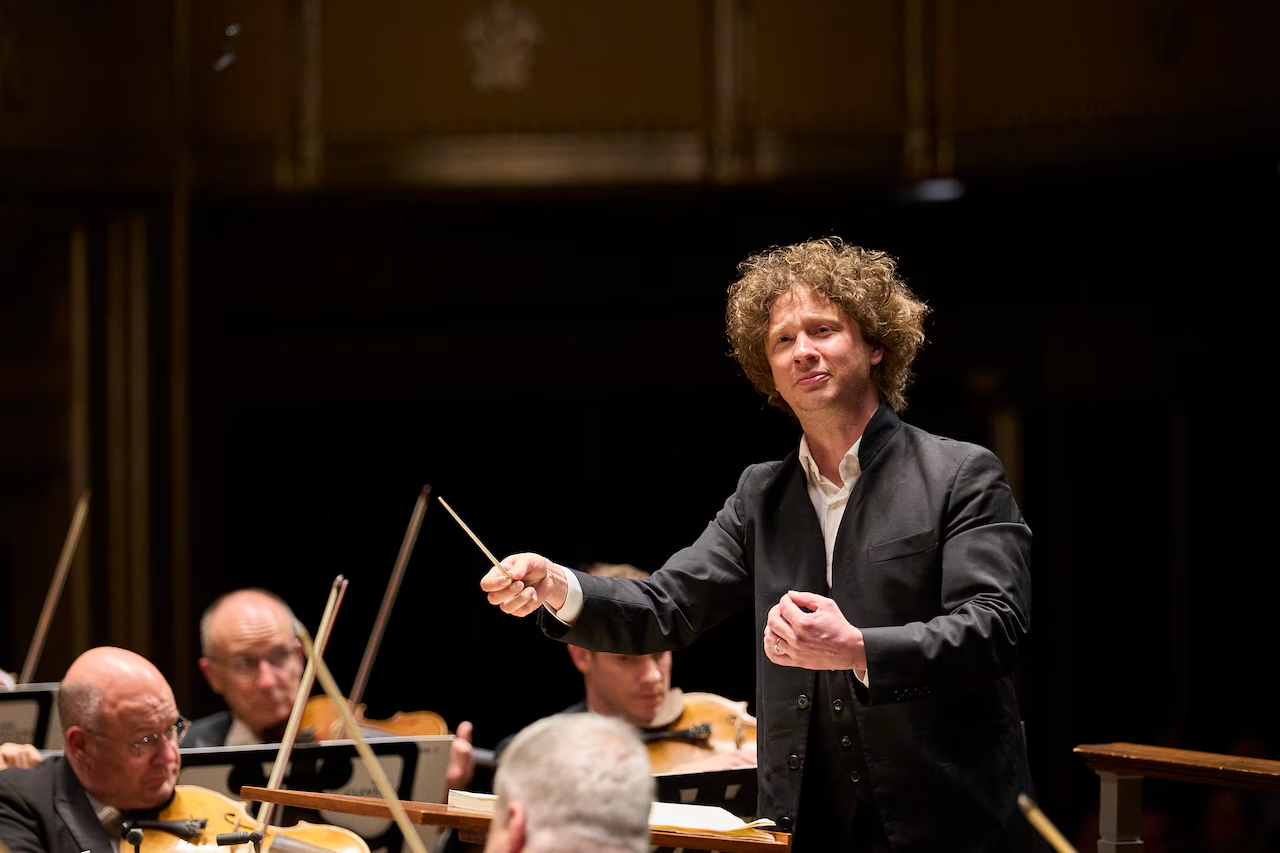
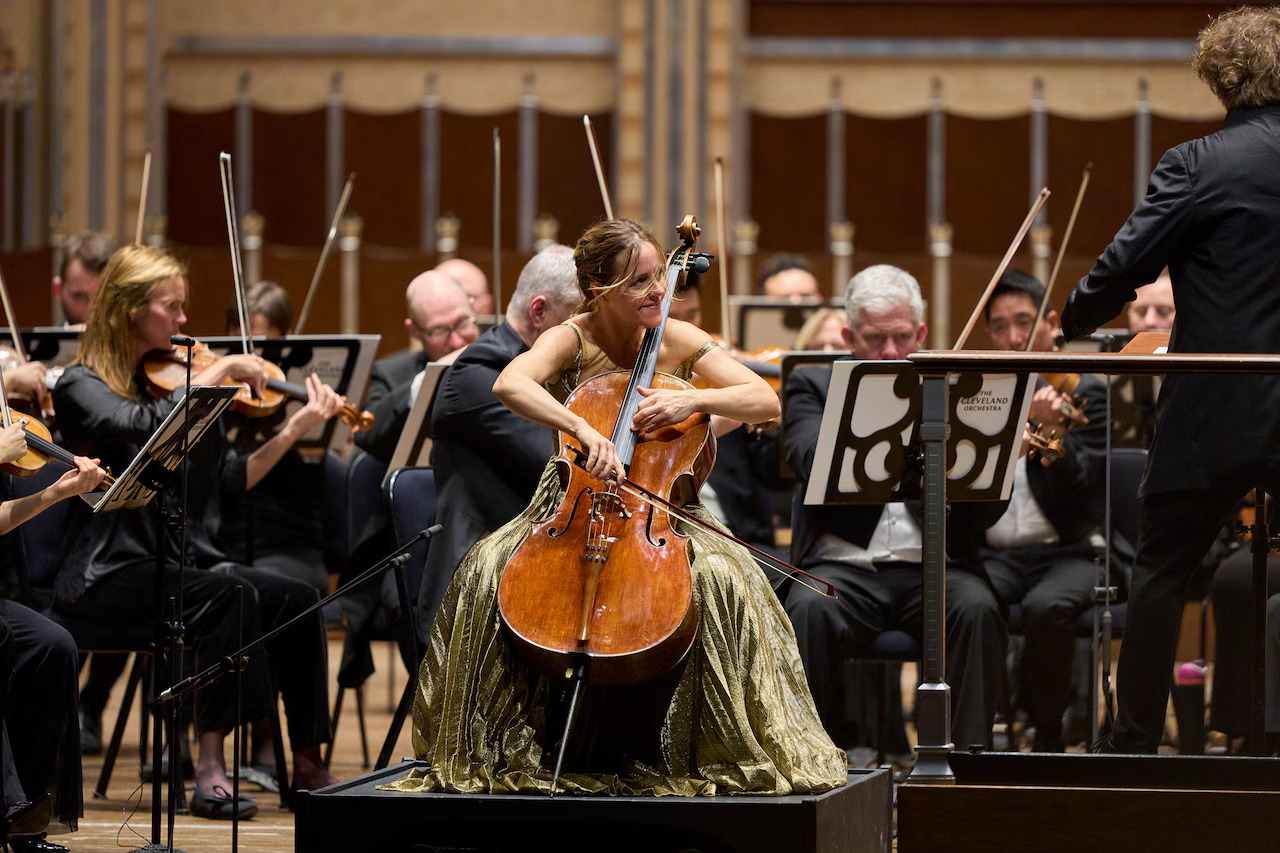
CLEVELAND, OH — A good-sized crowd including an abundance of school agers turned out on Thursday evening, April 9 at Severance Music Center for engrossing performances of works by Dmitri Schotakovich and Franz Schubert led by Finnish guest conductor Santtu-Matias Rouvali and featuring Argentine cellist Sol Gabetta.
Only two works were on the agenda, but Dmitri Shostakovich’s Second Cello Concerto and Franz Schubert’s Ninth Symphony both qualify as “doozies” — “outstanding or unique of their kind.”
The Russian work earns that label for its vast range of emotional content, the Austrian piece for what Robert Schumann described as its “heavenly length” and for the endurance it requires from wind and string players.
The Shostakovich begins with a yearning introduction by the solo cello, gradually joined by cellos and basses. As the mood changed to anger, then haunting, Gabetta played with a vibrant tone that rose beautifully above the accompanying material.
Dialogues with percussion and winds imitated a ticking clock and led to a sarcastic dance with bass drum shots answered by the solo cello.
Gabetta, who played more or less continuously during the 30-minute work, got no rest but suffered no lack of energy. Rouvali expertly guided the ship without getting in the way. Coordination was spot-on.
Shostakovich imported a humorous Russian street song about buying donuts for the second movement, transforming it from innocence to despair, and leading directly into an Allegretto that gave winds and percussion prime time in the spotlight along with the soloist.
Foreboding horn calls combined with a long snare drum roll announced a new dance accompanied by splendid percussion that terminated in a long, beautifully sustained note from Gabetta.
 A long ovation ensured an encore, and after several callbacks, the cellist joined principal percussion Marc Damoulakis for a lovely account of Nana, the fifth movement from Manuel DeFalla’s Siete Canciones populares españolas.
Like his eighth, (the “Unfinished”), Franz Schubert’s Ninth Symphony might have earned the tag “Unperformed” because of its hour-long duration and unrelenting demands on wind and string players.
It took until 1839 for the piece to earn its public debut by Felix Mendelssohn and the Leipzig Gewandhaus.
The Symphony represented a complete stylistic about-face on Thursday from the Shostakovich in the first half. Rouvali worked his magic and took a piece that can seem endless and unnecessarily repetitive and found ways to keep it thrilling for nearly an hour.
Principal Horn Nathan Silberschlag set the tone with a magnificent opening solo, and the Cleveland Orchestra wind section answered with long, sweet wind phrases that led into a spritely Allegro.
Rouvali kept things interesting with subtle tempo changes and dynamic contrasts, bringing the opening movement to a grand conclusion.
Principal oboe Frank Rosenwein introduced the second movement with a beautiful but unassuming solo, and Rouvali made space for the subtle pizzicatos that were passed seamlessly between sections of the orchestra.
The conductor set and kept a brisk tempo for the Scherzo’s catchy tune and conjured mental images of green pastures in the middle section.
Some magical moments accompanied the transition to the recapitulation. The finale was breathless. And thrilling. And gloriously loud.
No one could possibly have gone home unhappy.
Photos by Roger Mastroianni
Published on ClevelandClassical.com April 15, 2026
Click here for a printable copy of this article
