



by Mike Telin
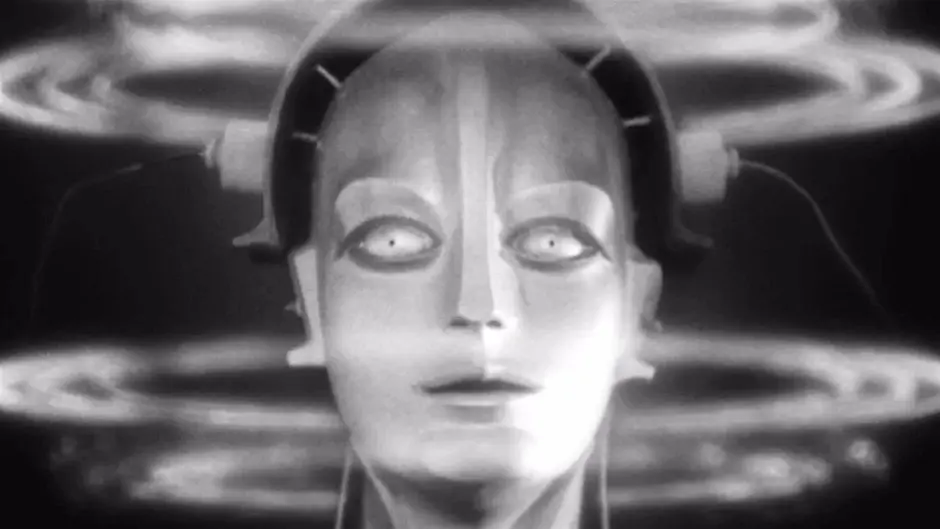 This week, No Exit presents pianist Jenny Lin featured in METROPOLIS Reimagined at Heights Arts at 7:00 pm on Friday, February 13. The concert is free.
For this multimedia event, Lin will be joined by electronic artist Drake Andersen performing a new score to the 1984 restoration of Fritz Lang’s movie Metropolis. This new score was created collaboratively by the ten composers of ICEBERG New Music.
This interview is reposted with the permission of the ensemble and author.
No Exit’s Laura King spoke with the pianist and began by asking what excites her about this project.
Jenny Lin: What excites me most is getting to play the film live, reacting to it moment by moment. Even though METROPOLIS is nearly 100 years old, it still feels current: dramatic, emotional, and visually stunning. ICEBERG New Music’s score re-shapes the experience of the film without ever fighting it. METROPOLIS has these visual shifts which at times can feel segmented, but ICEBERG found a way to make the music feel like one continuous arc rather than a string of individual cues. The score is threaded together by a common musical idea; a kind of DNA you keep hearing in different forms.
What I love about performing a silent film is that the piano is not just “background”. So, when I think about “sharing the storytelling,” I am thinking about a partnership between image and sound. The film provides the visual narrative, and the piano helps guide the emotions. ICEBERG’s score is a contemporary update of that tradition. It gives the film a new life, so the audience can re-experience METROPOLIS, which was my initial goal when I approached the group about this project.
Laura King: For audiences who may know METROPOLIS as an iconic silent-era masterpiece, what makes METROPOLIS Reimagined such a bold reinvention? What will people feel in the room as the film and your music collide live?
JL: METROPOLIS is iconic because it’s so epic and mythical. METROPOLIS Reimagined is bold because it does not try to recreate what people expect from a classic silent film accompaniment. It gives the film a fresh and modern sound through a contemporary musical language.
What audiences will feel in the room is how alive it is. When the music is happening right there, right then, the film also feels different. The tension is more direct, the suspense the greater, and the quiet moments more intimate. The live element is everything. Watching a silent film without live music would be a bit like watching a Broadway show with no pit orchestra.
LK: As a pianist, what are you listening for while performing something this immersive and cinematic? Are there particular moments in METROPOLIS Reimagined that feel especially thrilling, surprising, or emotionally intense from inside the performance itself?
JL: In this project, a big part of my focus is very practical. It is a fully written-out score, and my main job is to follow the score precisely and stay in sync with the film. The composers from ICEBERG provided detailed instructions and cues. The timing must line up—entrances, transitions…even a small drift can change the impact of a scene because the film is constantly shifting. I am basically focused on tracking where we are in the movie, where I am in the score, and making sure to stay locked in.
The film is full of iconic sequences where the music can shape how an audience feels. For example, in the opening factory and machine world, the sound can make those images feel massive and relentless. In the creation of the robot Maria—one of the most famous scenes in cinema—the score can intensify the hypnotic and eerie atmospheres. And too, in the nightclub/Yoshiwara sequences, the music here can heighten the seduction and frenzy.
LK: You’re known for bringing fearless curiosity to contemporary music and multidisciplinary work. Looking ahead, what are you most energized by right now—and what are you most looking forward to artistically in 2026?
JL: In 2026, one of the projects I am most energized about is a major initiative with the Schnabel Music Foundation: seven composer-pianists each writing a new solo piano work to mark the 75th anniversary of Artur Schnabel’s passing and to honor his legacy. Schnabel was not only a legendary pianist, he also was a remarkable composer, and it feels especially meaningful to celebrate him in a forward-looking way. The commissioned composer-pianists are Stephen Hough, Marc-André Hamelin, Timo Andres, Greg Anderson, Nicolas Namoradze, Dan Tepfer, and David Plylar.
I am also looking forward to a project with Merkin Concert Hall in NYC, exploring 100 years of American piano etudes, from Charles Ives to Ruth Crawford Seeger to Philip Glass to Matt Aucoin, tied to the broader lead-up to America’s 250th.
And alongside performing, I will continue my work as a Director of Music at The Phillips Collection here in Washington DC, where I curate and run about 30 concerts a year. Our programs connect directly with the museum’s exhibitions while bringing local, national, and international artists to Phillips Music.
Published on ClevelandClassical.com February 11, 2026
Click here for a printable copy of this article
