

by Kevin McLaughlin
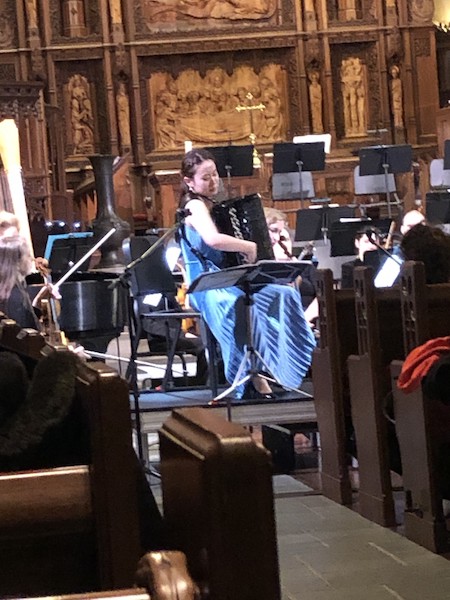 Accordionist Hanzhi Wang held the Church of the Covenant audience in thrall on March 4 as she demonstrated mastery of the wild marvel that is her instrument in a performance of Piazzolla’s Bandoneon Concerto. The BlueWater Chamber Orchestra and conductor Daniel Meyer provided able accompaniment there, as well as lovely accounts of works by Arriaga and Copland in this Latin-tinged program.
The Symphony in D by Juan Crisóstomo Arriaga, written in 1825 when the composer was just seventeen, is cast in the Haydn-Mozart mold. The performance revealed a deftly crafted work — exciting, tuneful, and blustery. After the Haydnesque slow introduction that prepares the listener for a D-major Allegro, the orchestra leaned into the unexpected d-minor with stormy energy and dynamic contrasts. Meyer kept fast tempos under control, battling acoustically challenging circumstances — distinctions of timbre and precision of attacks were frequently lost in the cavernous space.
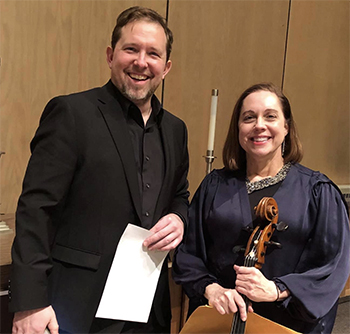 Variety can be the salvation or the undoing of a concert. A century and a half ago, most Americans would have heard what we now think of as the bedrock repertoire of the classical tradition in bewildering shows that often included comedy and drama as well. In recent decades, however, even diversity of historical period and musical style — let alone type of entertainment — has become optional, rather than expected. In a recent concert led by Daniel Meyer, BlueWater Chamber Orchestra successfully embraced stylistic pluralism, mixing new music and a rarity with standard audience favorites.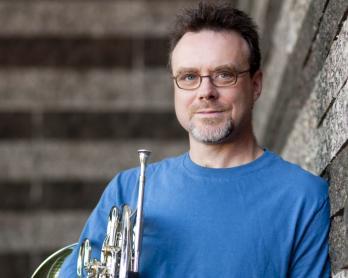
 1935, 1936, 1940, 1946, 1947, 1951, 1955, 1959, 1963, 1967, 1971, 1975, 1979, 1983, 1985, 1989, 1993, 1997, 2001, 2005, 2007, 2011 — and now 2015. Those are the 23 years in which the 83-year-old Baldwin Wallace Bach Festival has featured Johann Sebastian Bach’s “Great Catholic Mass,” as his sons described it. That makes it a tradition, for sure, but Dirk Garner’s concept in his first year as the festival’s new artistic director was notable for its infusion of new energy and vitality into a work that needs a regular shaking-out in order to remain fresh.