by Nicholas Stevens
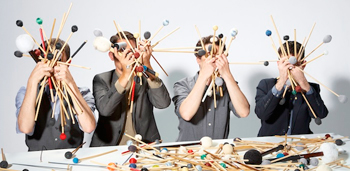
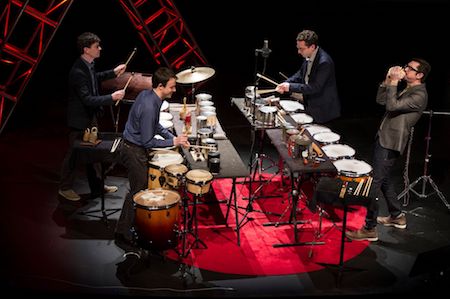
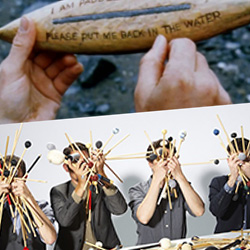 Few composers in the classical tradition have successfully transformed stories for children into engrossing all-ages artworks. In a concert at the Cleveland Museum of Art last week, Third Coast Percussion — the Chicago-based quartet of Sean Connors, Robert Dillon, Peter Martin, and David Skidmore — made a strong case for their new work, Paddle to the Sea.
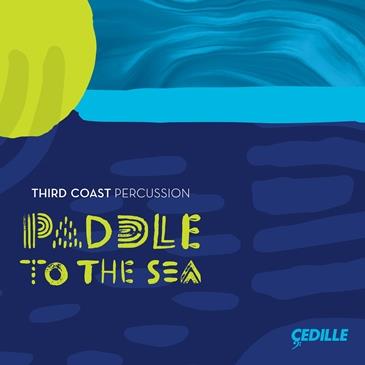 Third Coast Percussion went bold with their latest project, a sprawling marine ecosystem of an album titled
  A Native Canadian boy in the Nipigon country of Ontario dreams of a journey he knows he can’t make. But a figure carved out of cedar, with a strip of lead to keep it upright in the water, and a message inscribed on the bottom to please return it to the water? That might just make it all the way through the Great Lakes, down Niagara Falls, past Quebec City, to the Gulf of St. Lawrence and beyond — despite encounters with a snake, a forest fire, passing ships, pollution, and people along the way.
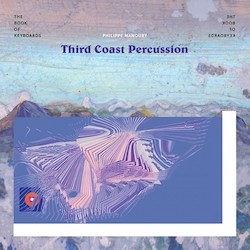 With their latest album,