

by Stephanie Manning
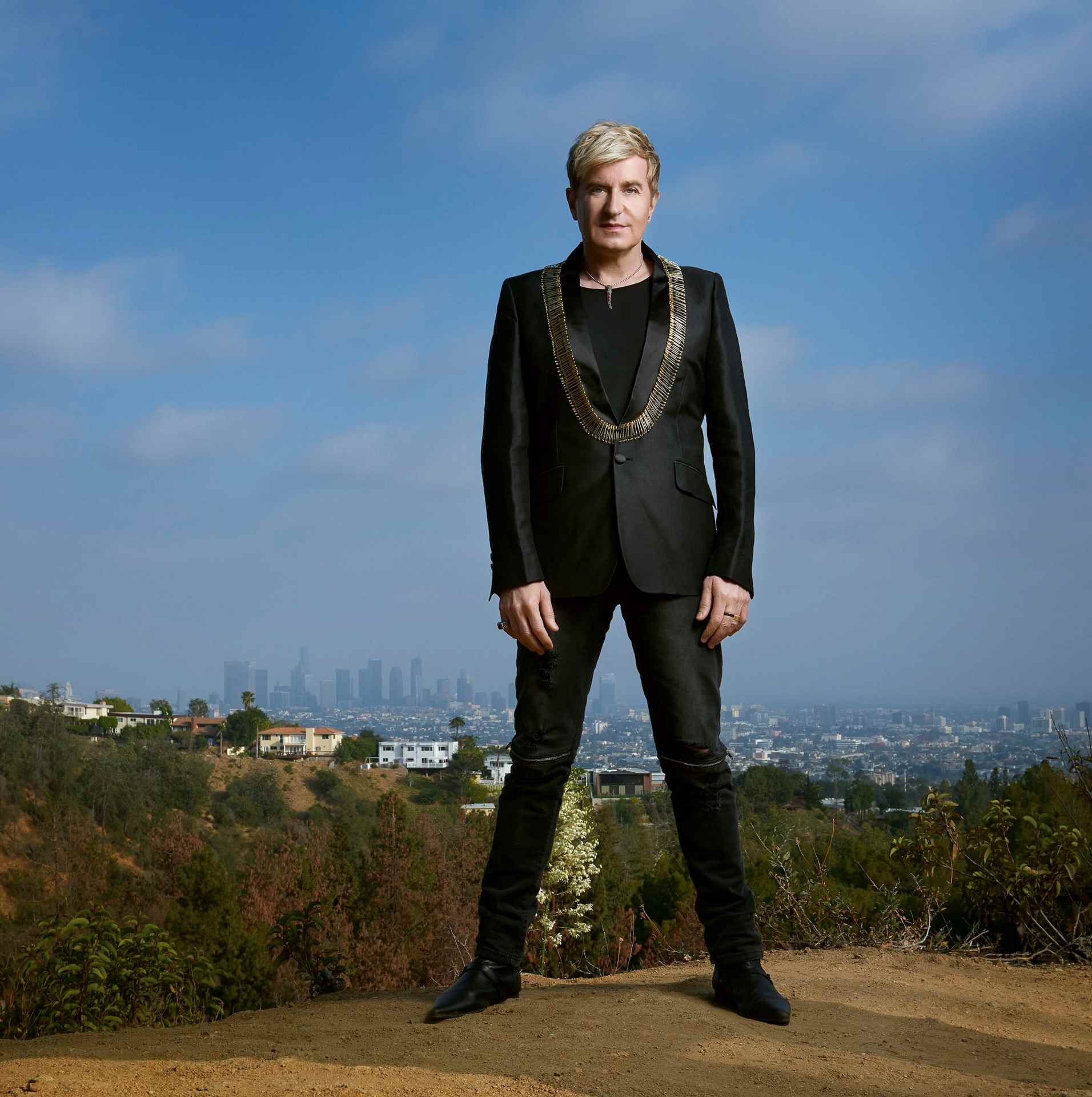 Performing Claude Debussy’s complete Préludes in recital is rare, but Jean-Yves Thibaudet has been making a habit of it. Over the past few years, the pianist has appeared in venues across the country to play the entirety of Book I and Book II as a 90-minute concert. He presented that program on July 30 in Gartner Auditorium at the Cleveland Museum of Art.
What brought Thibaudet to Cleveland was not just his solo recital — he also gave masterclasses as part of the Cleveland International Piano Competition for Young Artists. By July 30, all six finalists had already participated in sessions with Thibaudet, testing their ability to adapt to feedback. And on the eve of the Competition’s concerto round, the time was ripe for both contestants and audience to sit back and listen to the master pianist himself.
Neatly divided into two books of twelve pieces each, the Préludes delightfully flit between Debussy’s many moods and interests, each denoted with an inscription that suggests what the French composer was picturing. Skilled in the French style of playing and having recorded the complete set in 1996, Thibaudet knows this music intimately.
One challenge of presenting the Préludes in chronological order is shifting quickly between all their different styles. Thibaudet certainly favors the speedy and the sparkly, like the playful flourishes of “La danse de Puck (Puck’s Dance)” and the excitable “Ce qu’a vu le vent d’ouest” (What the West Wind Has Seen). And rightfully so — the pianist’s technique is formidable and these were brilliantly performed.
Humor is another of the pianist’s strengths, and he easily injected some levity into “Général Lavine–eccentric” and “Minstrels.” And he presented “Les fées sont d’exquises danseuses” (Fairies are Exquisite Dancers) as a microcosm of the push and pull of the styles at play — at first frenetic and then reflective.
Some of the slower numbers lost a bit of their momentum. The beginning of Book I took time to get off the ground. The tempos of pieces like “Danseuses de Delphes” (Delphic Dancers) and “Les sons et les parfums tournent dans l’air du soir” (Sounds and Perfumes Swirl in the Evening Air) felt more straight-edged than expressive.
“Des pas sur la neige” (Footsteps in the Snow) felt a little too heavy, ”La fille aux cheveux de lin” (The Girl with the Flaxen Hair) a little too fleeting. But the pianist’s attention to dynamics remained a highlight, assisted by the splendid acoustic of Gartner Auditorium.
Thibaudet gradually built an overall arc over the course of the 24 pieces, resulting in a wonderfully exciting conclusion to Book II. “Canope” neatly balanced thoughtful moments with those of sparkly flair, and “Les tierces alternées” (Alternating Thirds) came off positively shimmering, the pianist’s hands floating above one another as he navigated the crests and troughs of the alternating intervals.
“Feux d’artifice” (Fireworks) also lived up to its name, to riveting effect. Thibaudet created a crystalline cascade of notes up and down the keyboard — punctuated by the musical equivalent of rockets exploding. An archetypal summer scene, conjured by the piano in the way that Thibaudet does best.
Published on ClevelandClassical.com August 13, 2026
Click here for a printable copy of this article
