
by Jane Berkner
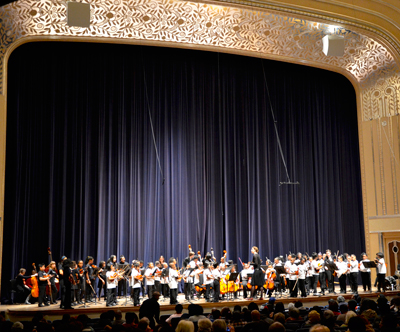
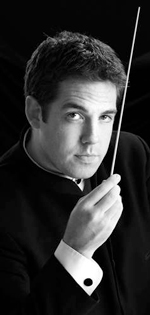
 It was a treat to be reminded of the brightness of the orchestral world’s future on Sunday night, November 23 in Severance Hall. For that occasion, artistic director Brett Mitchell designed a terrific concert for the opening of The Cleveland Orchestra Youth Orchestra’s 2014-2015 season. [Read more…]
 The environment in which you hear music has a potent influence on a concert experience. Obviously, the acoustics and size of a hall impact the sound, but physical surroundings can also intrude upon the music or affect the way you perceive a work. This is especially true at outdoor venues like Blossom Music Center, where nature decided to take a role in the music on July 26, when the Kent/Blossom Chamber Orchestra, The Cleveland Orchestra, pianist Stephen Hough, and conductors Brett Mitchell and John Storgårds presented a three-part concert there.
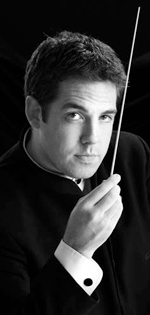 Last Sunday evening was meant to mark the historic return of the 90-year-old, Polish-born conductor Stanislaw Skrowaczewski to Blossom after a hiatus of thirty-two years. It was historic alright, but for another reason. Skrowaczewski, who first conducted The Cleveland Orchestra in 1958 at George Szell’s invitation, was sidelined by an illness and assistant conductor Brett Mitchell was tapped late in the week to replace him. Mitchell did himself proud leading scores by Weber, Mozart and Shostakovich on a night that will no doubt be inscribed in the annals of Assistant Conductors’ Big Opportunities.
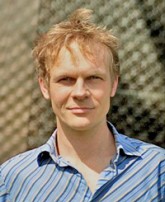 The Composer is Dead, a funny musical whodunit by children’s author Lemony Snicket and composer Nathaniel Stookey (left) that “investigates” every section of the orchestra, returns to Severance Hall on Friday, May 16 beginning at 7:30 pm when Brett Mitchell will lead The Cleveland Orchestra in a special Family Concert. The concert features the composer as narrator.