
by Daniel Hathaway
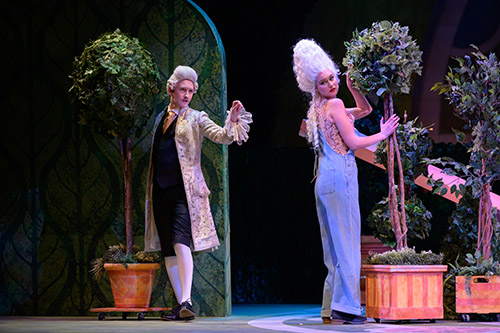
 Oberlin Opera Theater’s spring productions brought two recent titles by composer John Musto and librettist Mark Campbell to the Hall Auditorium stage from March 5-7.
The excellent productions were masterfully directed by Scott Skiba, and the first-class Oberlin Contemporary Music Ensemble was conducted by Timothy Weiss, who synchronized stage and pit with a deft hand. And the singing and comedic acting — clearly informed by a residency with John Musto — were terrific.
Later the Same Evening (2007) was inspired by five paintings by Edward Hopper, the famous 20th-century chronicler of urban isolation. Bastianello (2008) expands on an outrageous Italian folk tale. Both have been filtered to some extent through Freudian psychoanalysis, which makes them relatable on the same program for those who wish to dig deeper.
 The Oberlin Opera students have recently been learning to see their stage as a playground — literally.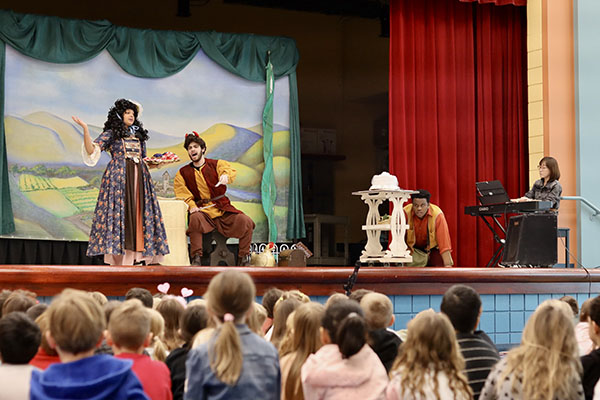
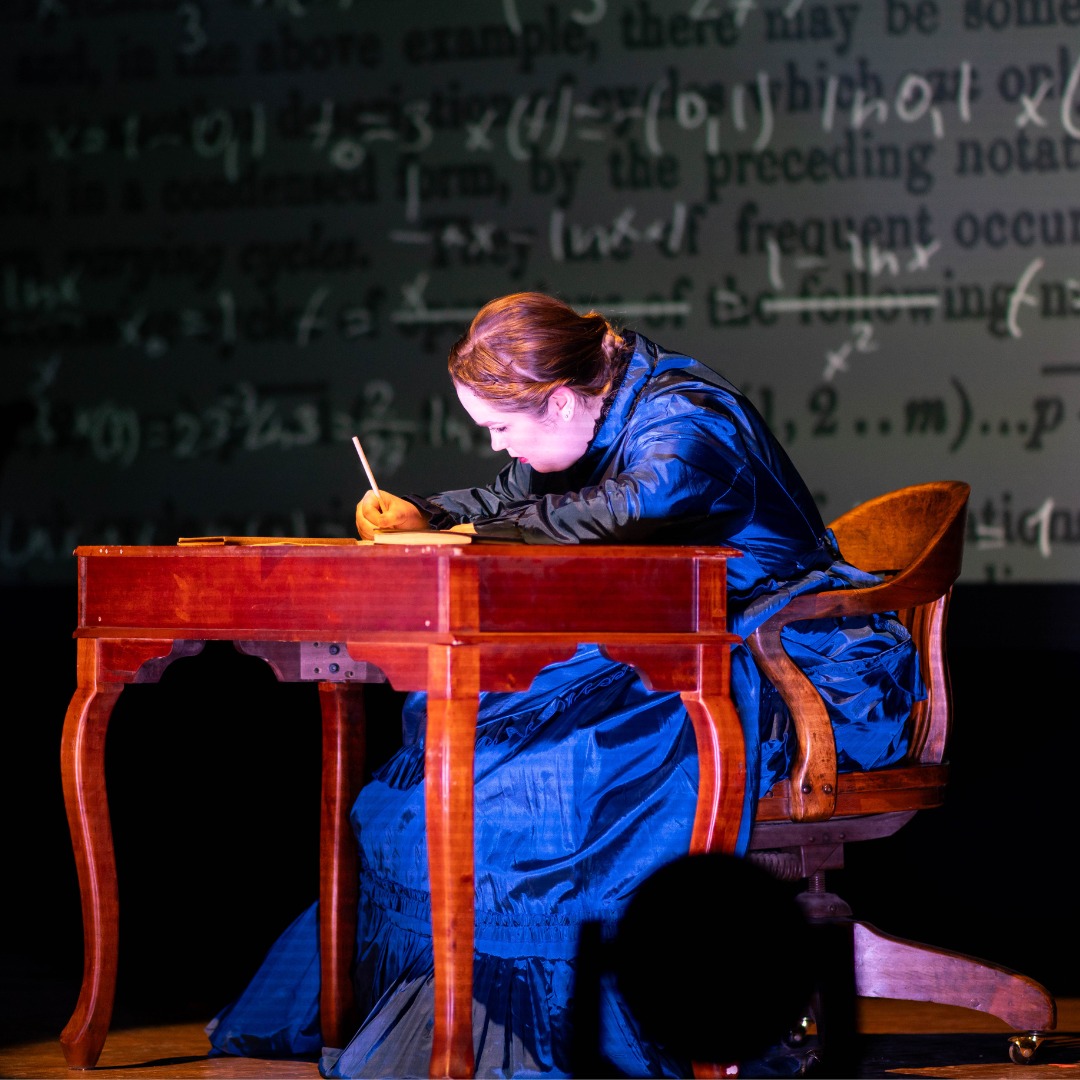 Ada Lovelace’s “infinite energy” was more mental than physical. Lovelace, a 19th-century English mathematician, was chronically ill for most of her life — yet her agile mind worked magic on numbers, paving the way for important scientific discoveries.