
by Kelly Ferjutz, Special to ClevelandClassical
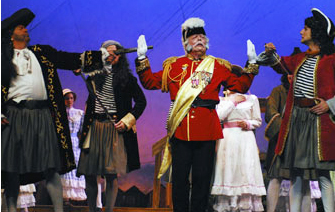
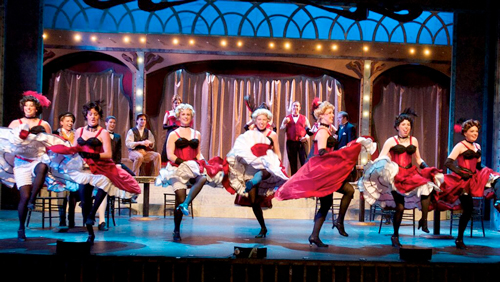 If you’re among the millions who love Paris, whether it drizzles or sizzles — or even if you’re not — you’re bound to love the new production of Can-Can at the Ohio Light Opera. It’s bright and colorful, and, with the witty lyrics of Cole Porter, it’s totally sassy as well. It’s also a huge show, technically, as nearly everyone other than the principals plays double and triple roles, complete with numerous costume changes. This energetic production, helmed by artistic director Steven Daigle, never missed a beat. Act One has ten scenes, while Act Two has seven — daunting indeed. The colorful, bright costumes were designed by Charlene Gross, and the multi-purpose set and picturesque scrim by Cassie King. Lighting design is by Erich Keil. [Read more…]