

by Kevin McLaughlin
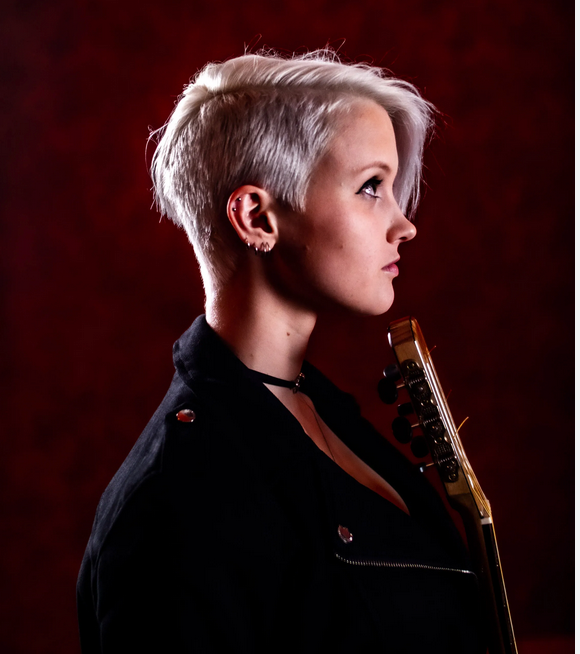 The Australian guitarist Stephanie Jones brought passion and clarity to the opening concert of the Cleveland Classical Guitar Society’s 2023-24 International Series, in a program of mostly German and South American works at the Maltz Performing Arts Center on September 17. This was the first concert since CCGS moved from their cozier confines of Plymouth UCC. Whatever the acoustical challenges in the Maltz, the charisma of Jones’ playing made a clear and lasting impression.
Beginning with two movements from J.S. Bach’s Violin Partita No. 3, she employed precision and a rubato musical line, breathing life into the familiar Gavotte en Rondeau movement. [Read more…]
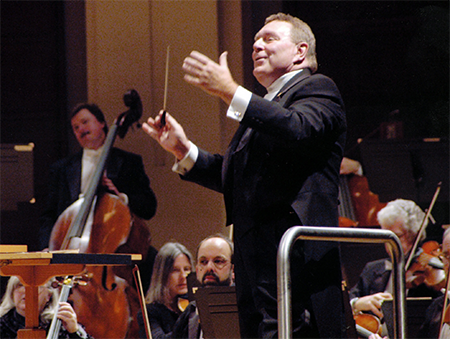 The late Gerhardt Zimmermann was remembered with affection by family and friends in a concert given by the Canton Symphony Orchestra at Umstaddt Hall on Sunday, September 10.
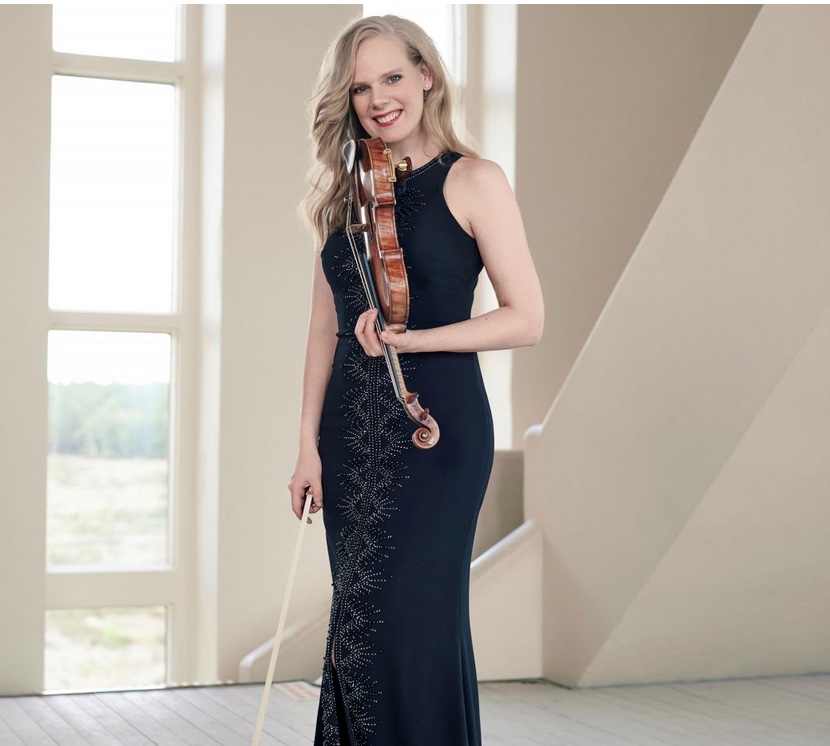 The Cleveland Orchestra’s final classical concert at Blossom Music Center on Saturday, like the last rose of summer, was the unexpected apogee of the season. Transforming a generic-sounding program titled “Impressions of France and Spain,” conductor Fabien Gabel captivated in works of Ravel, de Falla, and Saint-Saëns’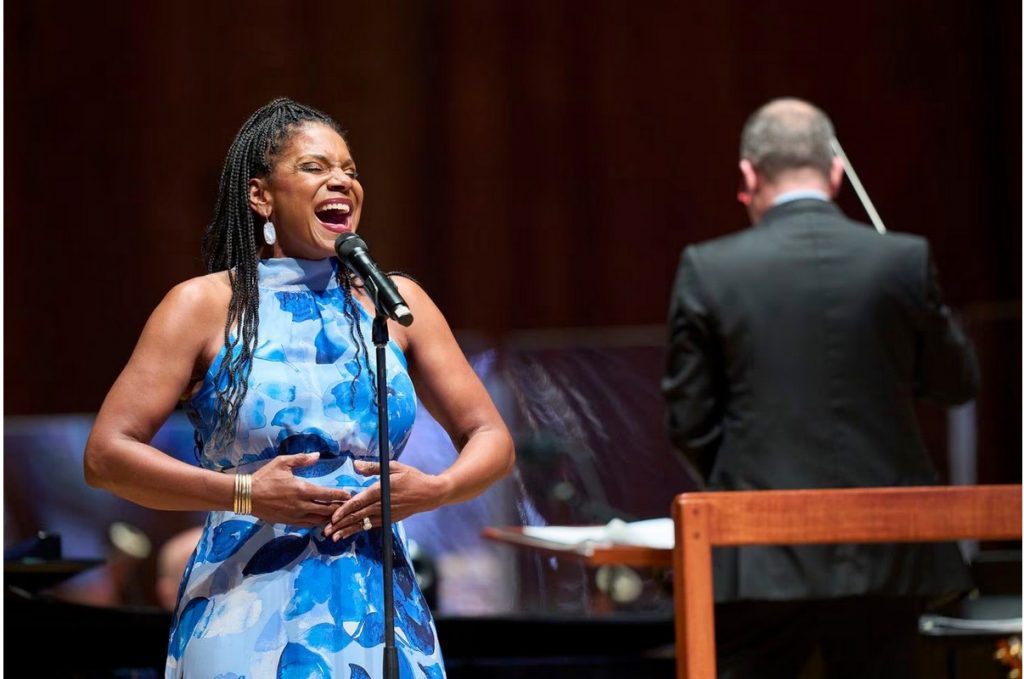
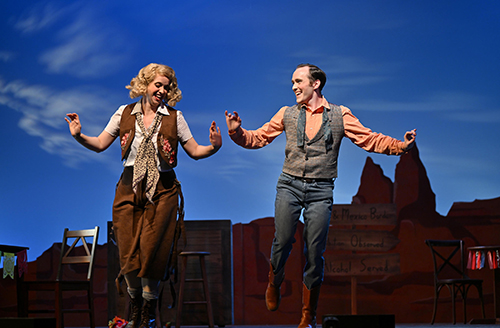 The variety of titles that make up Ohio Light Opera’s annual summer series is its secret sauce. Go to a few shows and you’re bound to find something you’ll like, or maybe in this case a dark horse to love. Emmerich Kálmán’s
 Fate — as represented by “Es muss sein” (it must be), Beethoven’s enigmatic motto tucked in the last movement of the
 How to explain the pleasure of Ohio Light Opera’s production of