
by Stephanie Manning
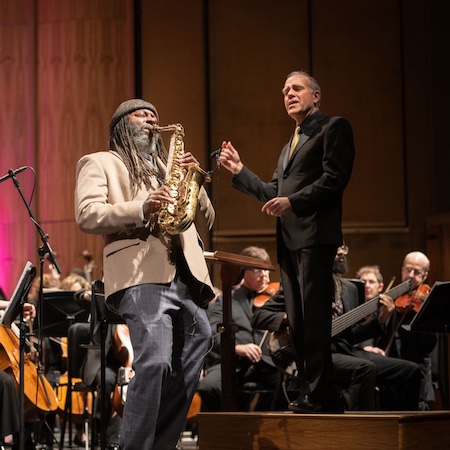 The musical journey of a concert can’t always be summed up by its title. The Akron Symphony’s January 17 performance certainly delivered on its promise of “Beethoven’s Seventh” with a dignified reading of that famous work. But the headline did not hint at the more intriguing pieces on offer — nor the idea that this program aimed to spark enthusiasm about the year ahead.
“Hope and optimism” were the words that conductor Christopher Wilkins used to describe the musical choices to the audience in E.J. Thomas Hall on Saturday.
This idea of looking toward the future appeared right away with a piece by Sarah Hegenderfer, a composition student at The University of Akron. Her lovely little gem of a piece, Clearing of Snow, paints a winter scene at sunset in lush textures.
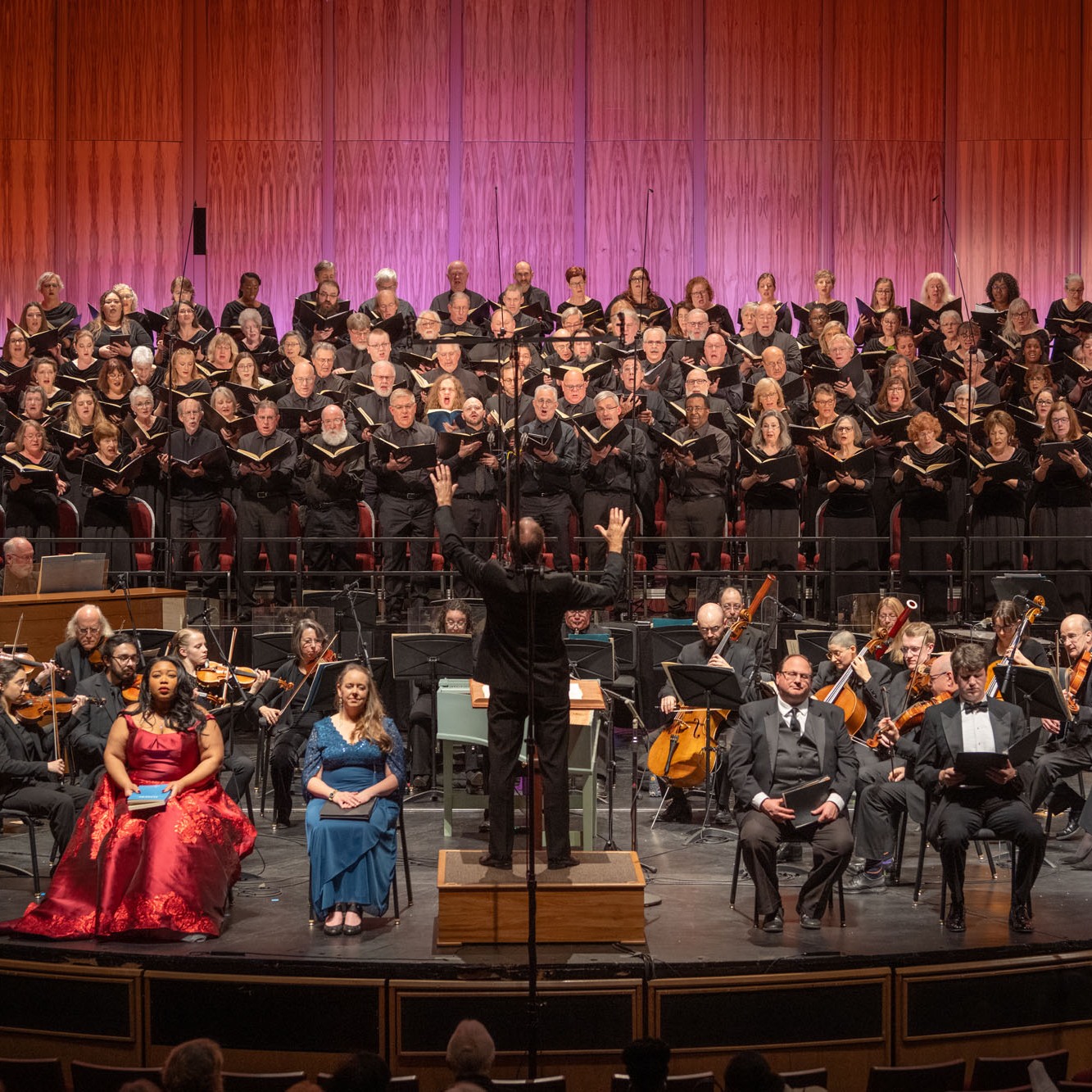 The holiday season got off to an early start at E.J. Thomas Hall over the weekend, with the Akron Symphony and Chorus reveling in a performance of Handel’s Messiah.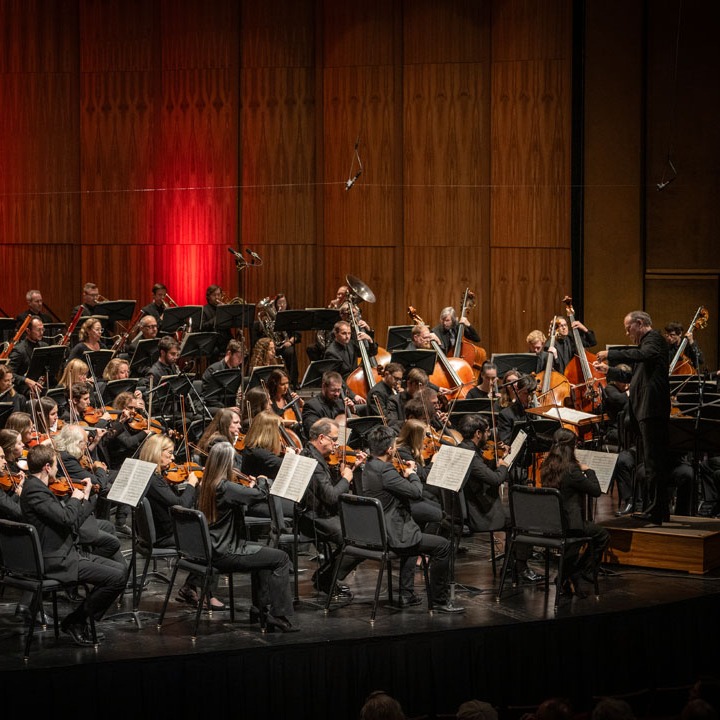
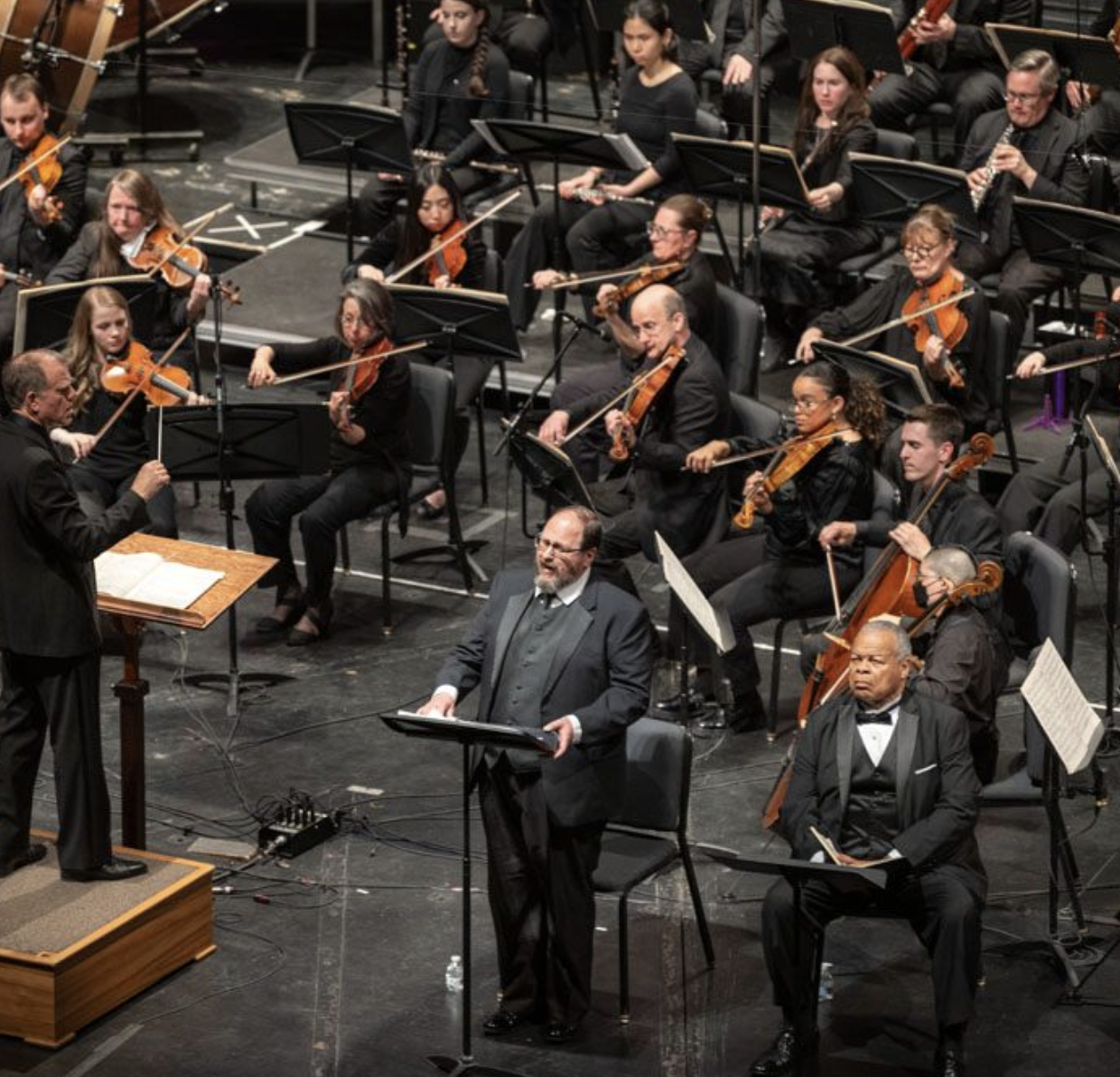
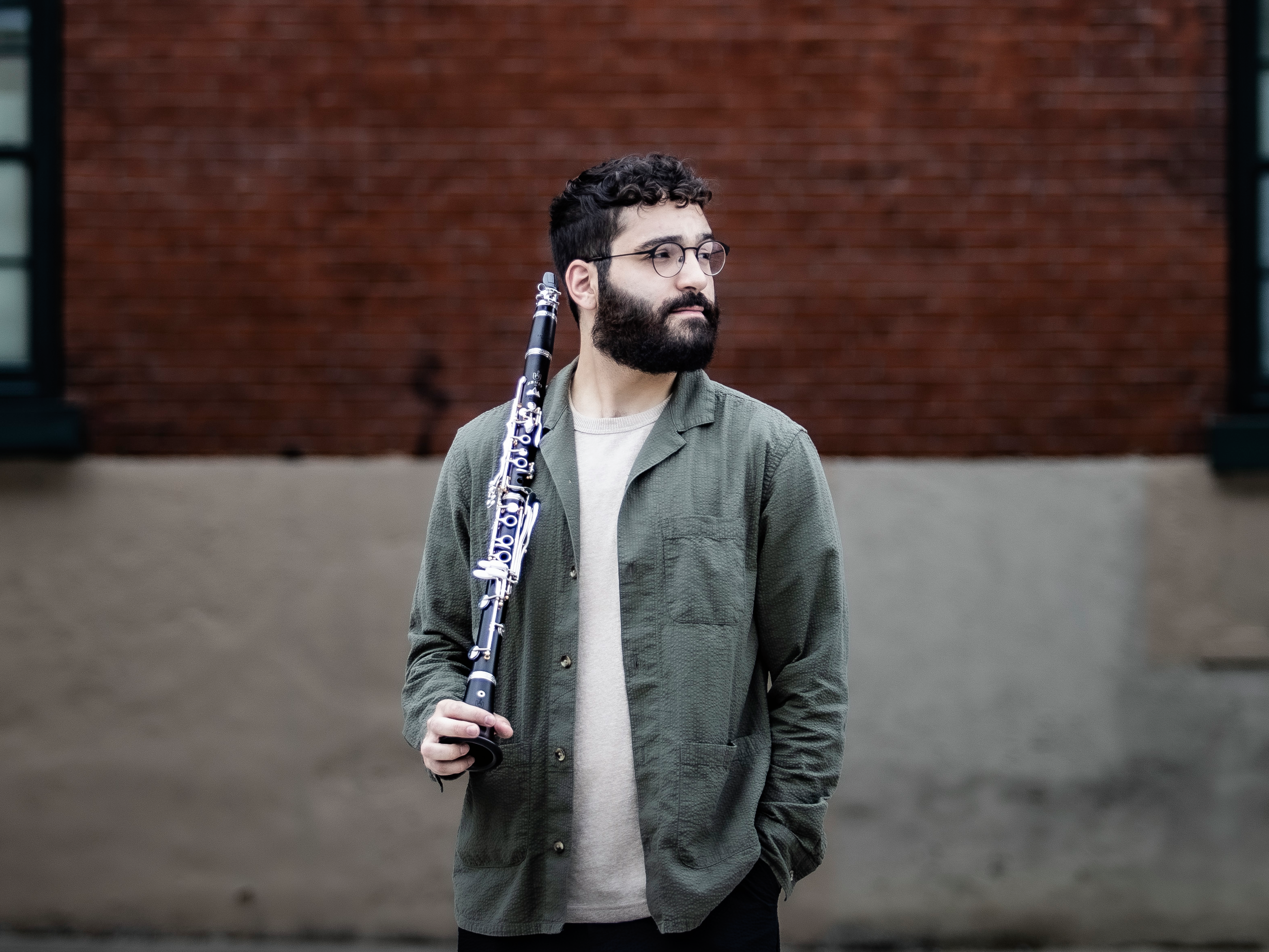 When Amer Hasan introduced himself to the Akron Symphony in 2019, he did so with the opening movement of Mozart’s Clarinet Concerto. “ It was the first piece that I played for Maestro Wilkins in my audition, behind the screen,” Hasan recalled in a recent interview. “So the first three minutes of the concerto is not only the first music I associate with auditions, but also with the Akron Symphony.”
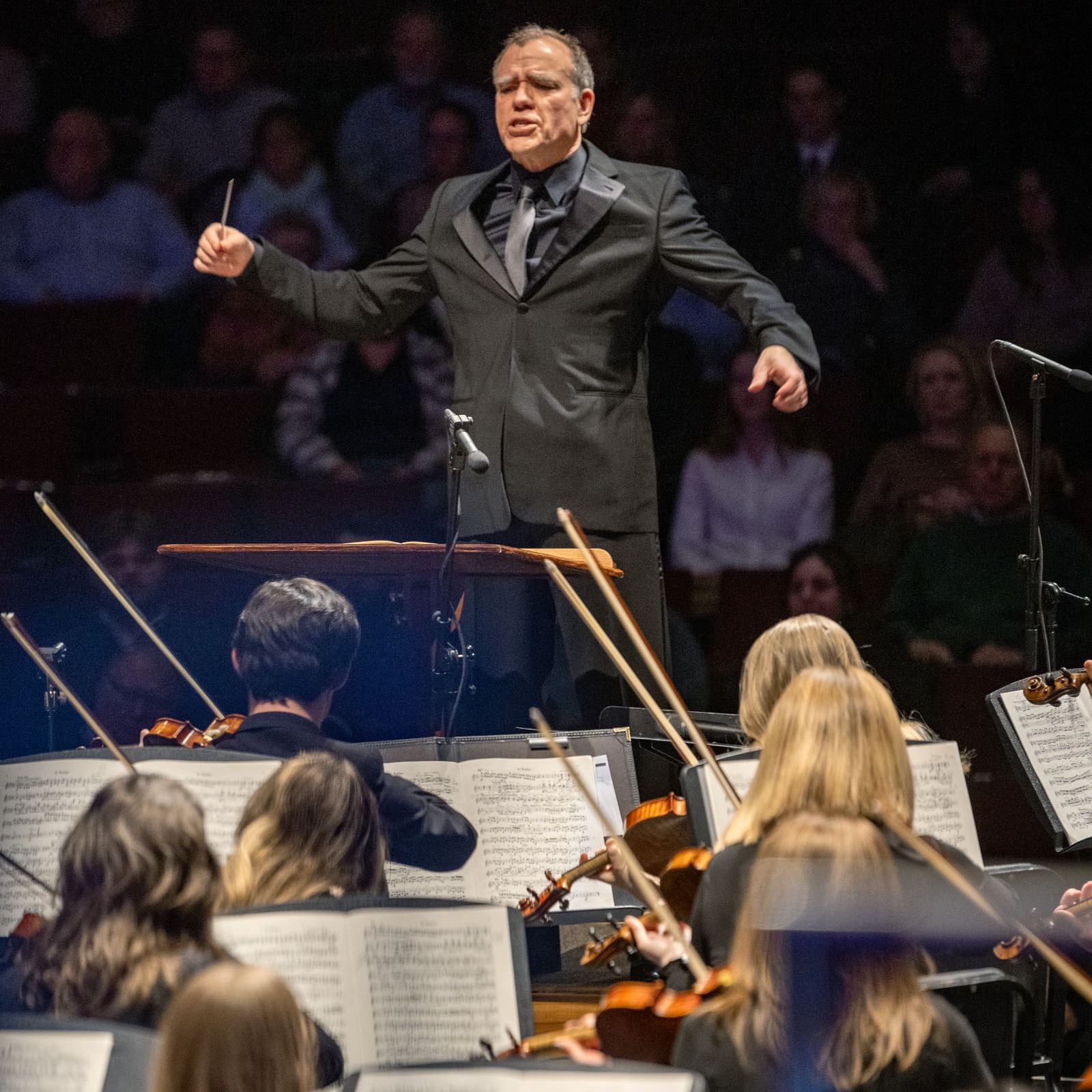 “Welcome to Mahler’s 2nd,” read the program leaflet I was handed while entering E.J. Thomas Hall on March 1. “You’re in for an emotional rollercoaster — big drama, quiet reflection, and an ending that will shake the walls (and maybe your soul).”
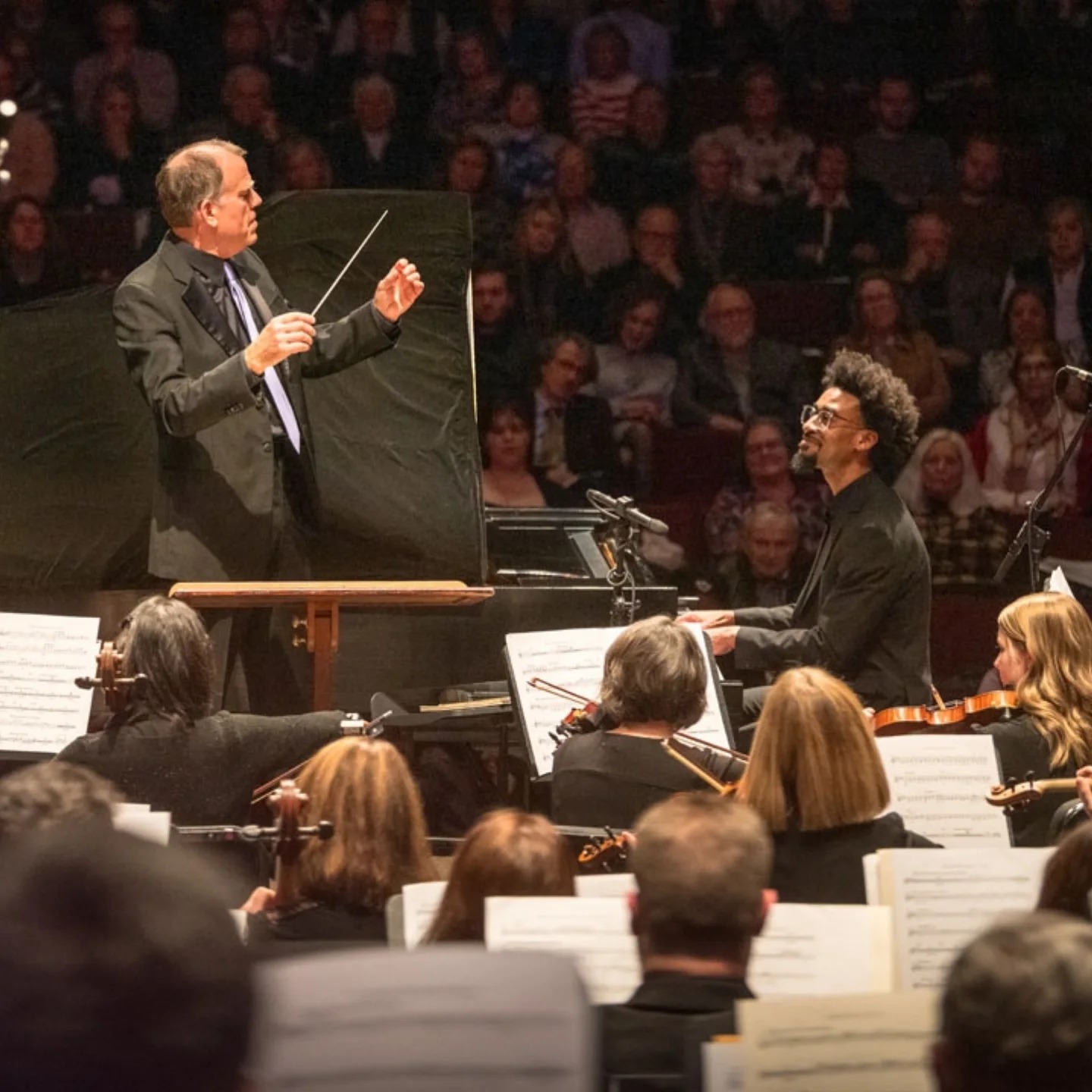 The subtitle of William Grant Still’s Symphony No. 4, “Autochthonous,” made for a little vocabulary lesson at the Akron Symphony last weekend.
 Just before the Akron Symphony began their October 19 concert with Charles Ives’ The Unanswered Question, the audience was suddenly presented with a question of their own. Why were the musicians leaving the stage right after tuning?