by Daniel Hathaway
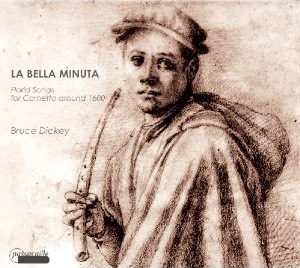
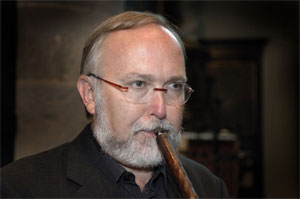
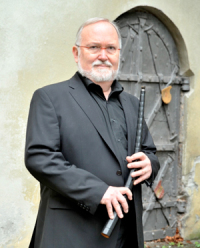 Cornettist Bruce Dickey has been an important figure in bringing the cornetto back from extinction. Not by growing its ancient DNA in a laboratory, but by mastering it, teaching it, and performing on it in solo recitals and ensembles. Last week, he appeared in concerts with Italian organist Lieuwe Tamminga at Oberlin and at Cleveland’s Church of the Covenant, and later this month, he’ll join Apollo’s Fire for performances of Monteverdi’s Vespers of 1610, both locally and on tour. [Read more…]
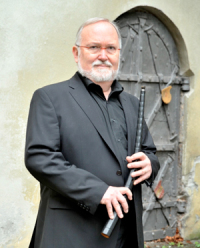 Now that the greater Cleveland area can boast housing two significant organs tuned in mean-tone temperament, early music fans can enjoy the unusual opportunity of hearing a pair of nearly back-to-back recitals featuring the celebrated cornettist Bruce Dickey and his distinguished associate, organist Lieuwe Tamminga. Dickey and Tamminga will perform on Friday evening, October 10 at 7:30 pm in Fairchild Chapel at Oberlin College and again on Sunday afternoon, October 12 at 2:00 pm at the Church of the Covenant in University Circle.