by Kevin McLaughlin
 This article was originally published on Cleveland.com
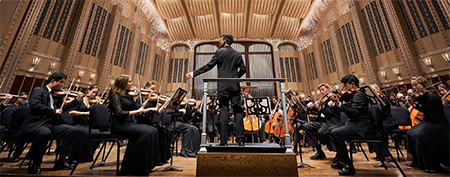
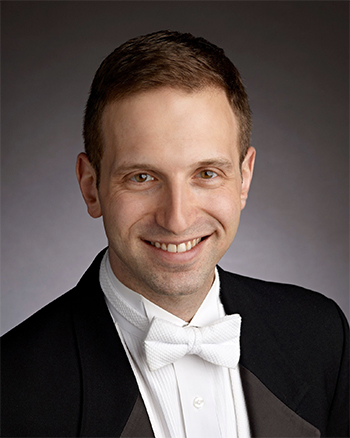
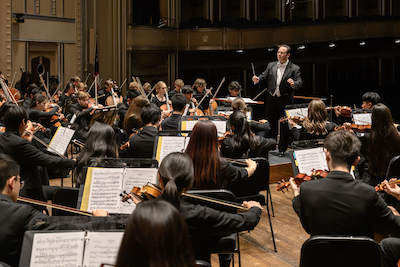
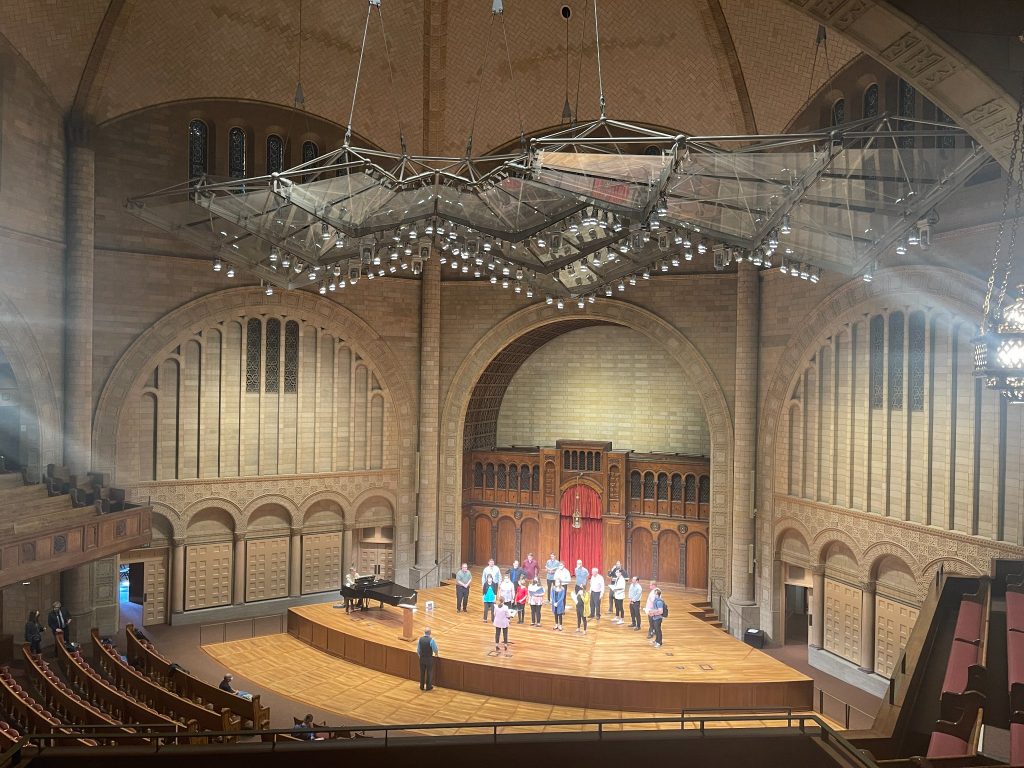
CLEVELAND, Ohio — The Cleveland Orchestra Youth Orchestra and Youth Chorus filled Mandel Concert Hall on February 22 with music that asks for breadth of sound and steadiness of purpose. Under the direction of James Feddeck, the young musicians took on three grand and optimistic works: Camille Saint-Saëns’ Symphony No. 3, “Organ,” Antonín Dvořák’s Te Deum, and Howard Hanson’s Song of Democracy. They met them well and, at key moments, with real poise.
 This article was originally published on
  “The first time I heard the Fauré
  “Man is born to trouble as the sparks fly upward,” a line from The Book of Job, inspired the title of a full-length opera that received its Cleveland premiere last weekend at the Maltz Performing Arts Center. I saw the last of four performances on Sunday afternoon, June 12.
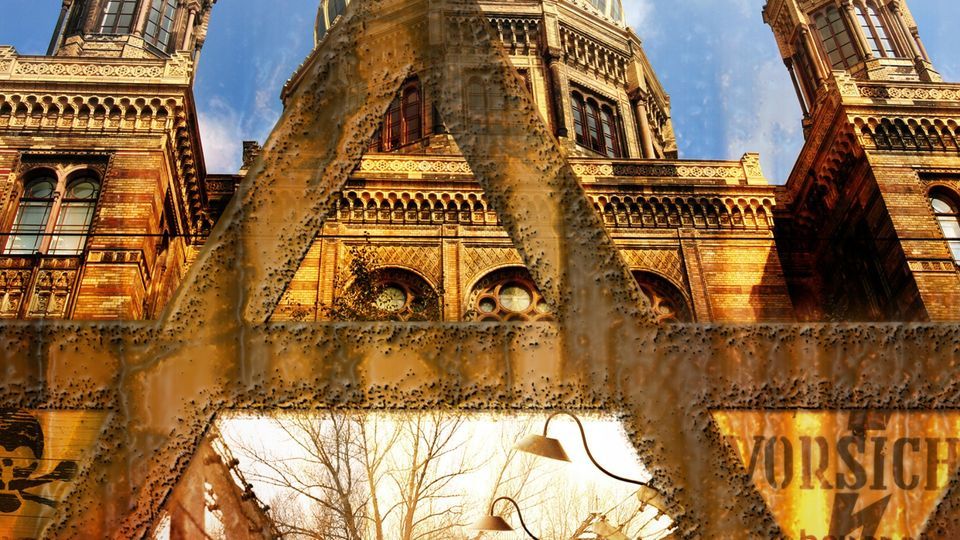 When Cathy Lesser Mansfield was asked to write a piece for the youth theater program at the Jewish Community Center in Cleveland Heights in 1977, little did she know that her creation would mark the beginning of her journey to compose an opera.
 “I’ve always been fascinated with works that are on the fringe of the repertoire,” violinist Andrew Sords said by telephone. The problem with learning and ultimately performing works that are off the beaten track is that even with published works, the editions are often riddled with mistakes, if not illegible. “I’m a little OCD when it comes to the score that’s in front of me. I want it to be legible, correct, and have it provide some historical context.”