



By Peter Feher
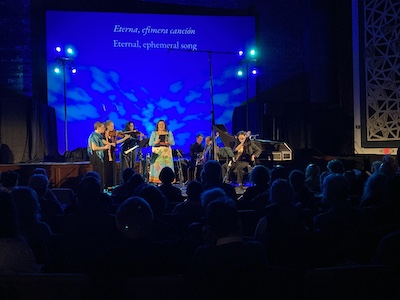 There’s something sacred about the female voice. And while the title of “La Divina” has already been claimed, today’s sopranos might still aspire to a similar status — “La Diosa,” perhaps.
That’s the self-assertion made early on in Soy La Diosa (“I Am the Goddess”), a prophetic new piece by composer Gilda Lyons. The work’s soloist delivers this phrase after detailing, in alternate Spanish and English lyrics, the various guises her spirit can take: “messenger,” “creator,” “warrior,” “protector,” “shadow,” and “song.” Naturally, such shape-shifting calls for a comparable array of vocal techniques, everything from whoops to whispers to full-throated high notes.
Only a confident performer could embody these powerfully clashing roles, and soprano Estelí Gomez was in her element singing the world premiere of Lyons’ score on Saturday, February 28, at the Heights Theater. If the afternoon felt vaguely out of time and place — with the period instrumentalists of Les Délices not just accompanying but commissioning this contemporary endeavor — then ethereal aims accomplished.


 In the 1670s, Louis XIV commissioned a series of 39 fountains for the Gardens of Versailles, each modeled on a story from Aesop’s Fables and intended for the education of the king’s young son, the Dauphin.
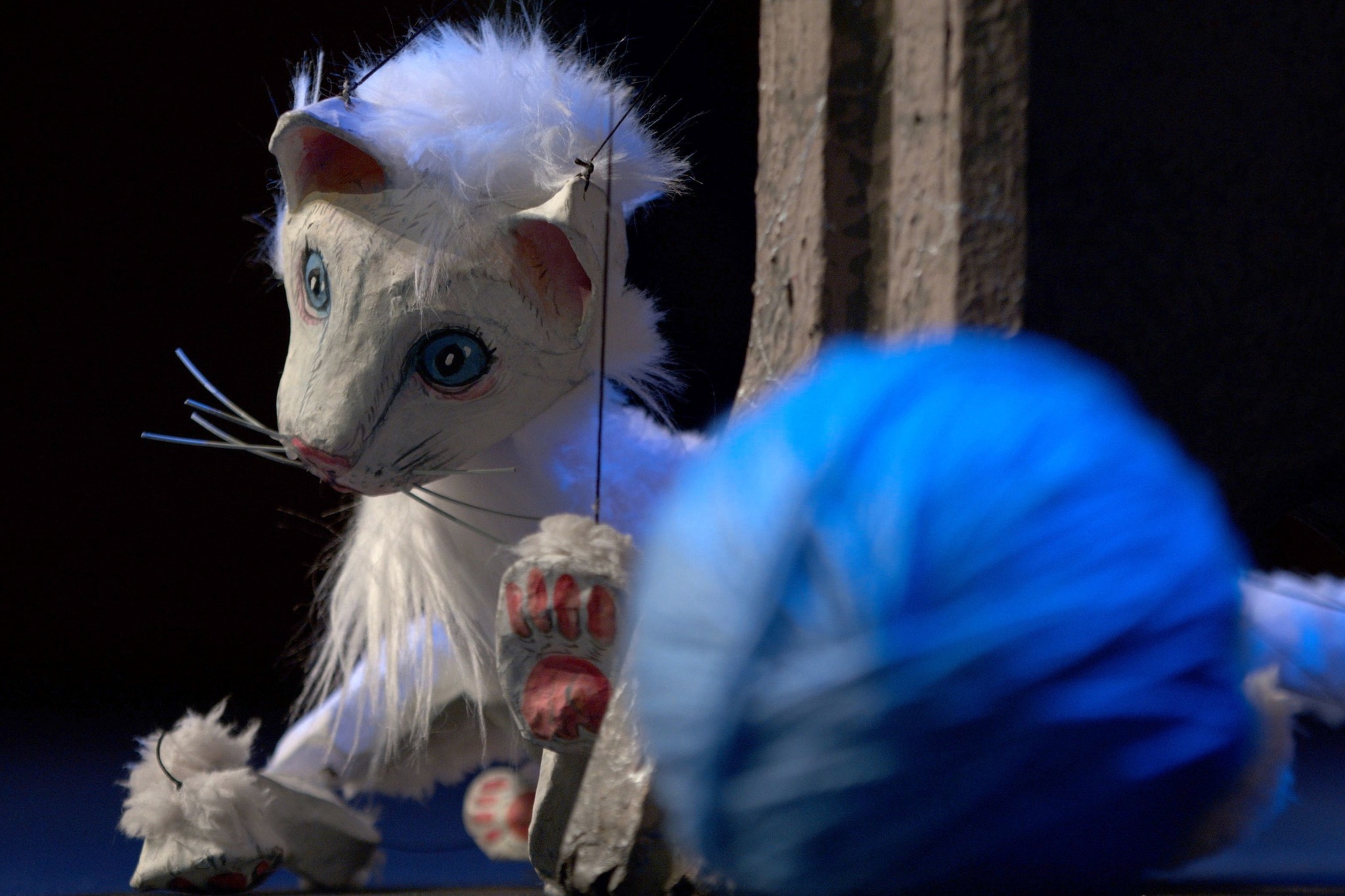
 This isn’t the first time Les Délices has brought puppets to the party. Following up on their 2022 Baroque opera The White Cat, the ensemble will present The Aesop Project in Cleveland and Akron on November 22.
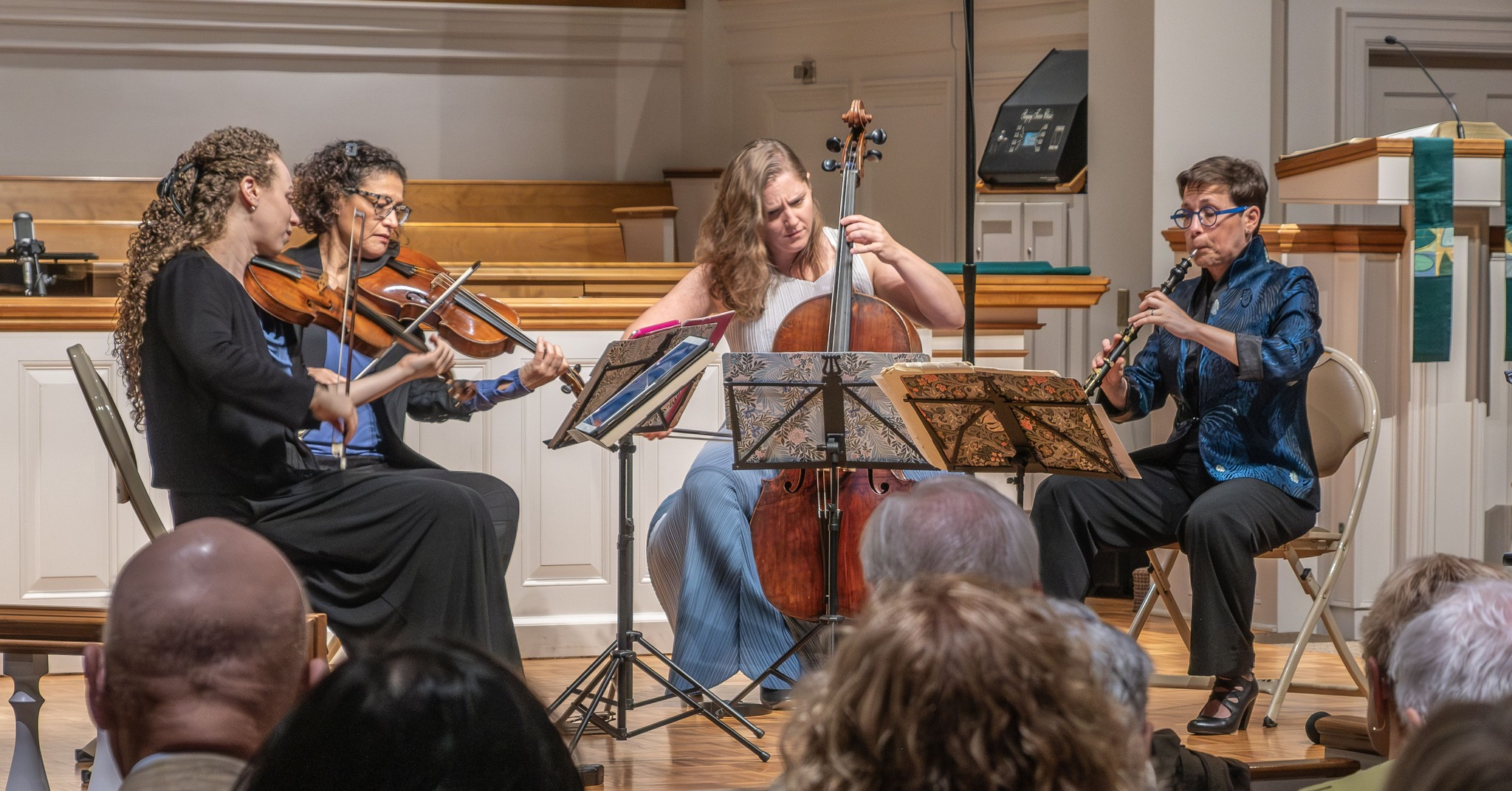 Although Les Délices’ most recent subscription program actually featured music by composers from what is now the western part of the Czech Republic, it borrowed its marketing title from an American rock anthem and culminated in a major work by a celebrated Austrian.
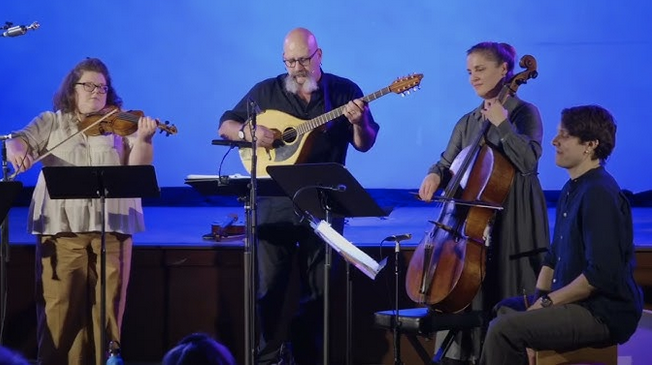
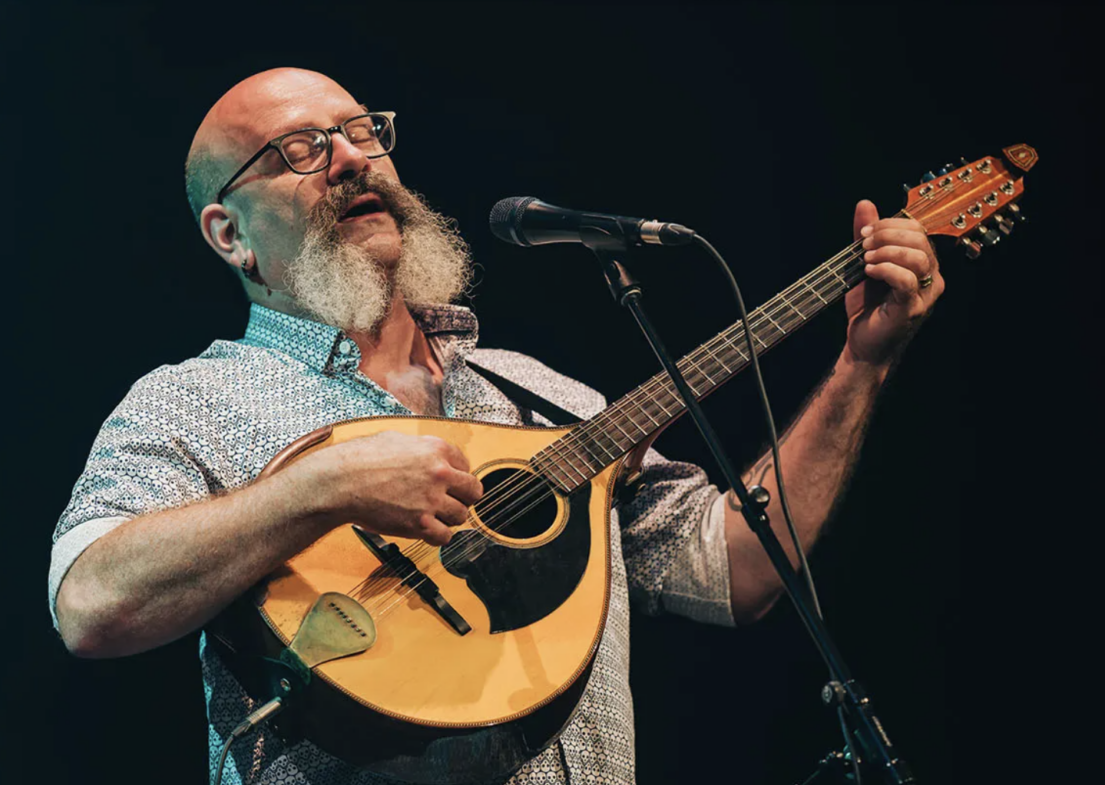 Sea shanties might make you think of the ocean, not Lake Erie. But the freshwater ships that sailed the Great Lakes in the 19th century held a rich musical tradition of their own. So when Les Délices artistic director Debra Nagy found a song that mentioned Cleveland in the book Windjammers: Songs of the Great Lakes Sailors, she knew the group had to perform it.
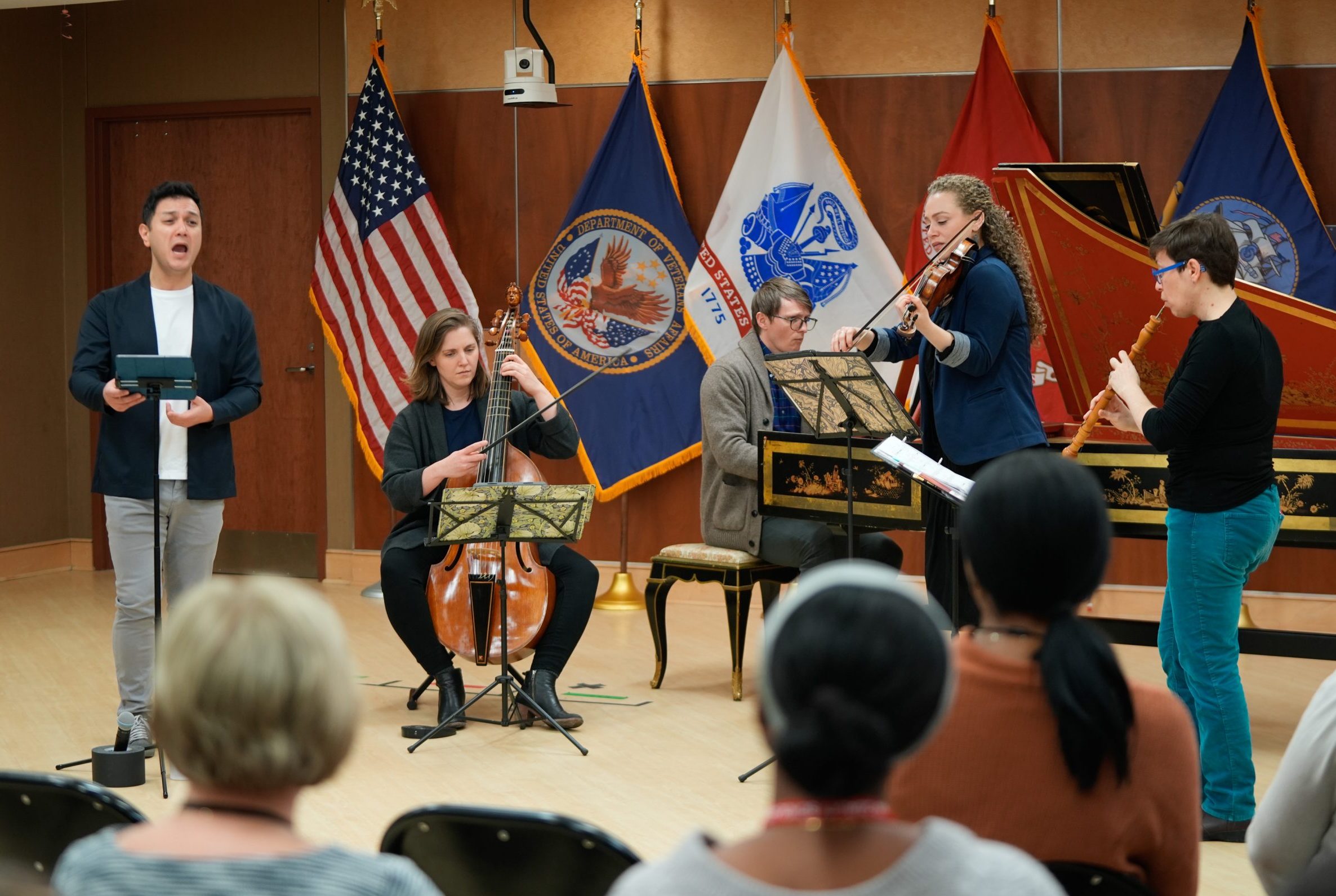 Navigating dementia — a common, yet devastating part of aging — requires confronting all sorts of complex emotions. People with memory loss, their caregivers, and the medical teams who interact with them all understand this well. So when Les Délices commissioned a piece tackling this difficult topic, they made a special effort to bring the music to those who would resonate with it the most.