by Daniel Hathaway
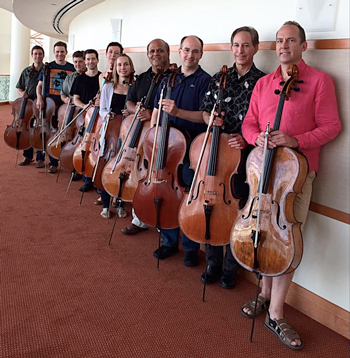 The Cleveland Cello Society’s annual “iCellisti” concert on Friday, January 30 at CWRU’s Harkness Chapel might set a local record for the number of cellists to appear onstage at the same time. At the end of a program featuring members of The Cleveland Orchestra cello section in various solos, duets and quartets, the Cleveland Orchestra Youth Orchestra cello section will join their senior counterparts in a work that calls for an ensemble of twelve performers.
“Julius Klengel’s Hymnus looks a little intimidating in the score, with its twelve individual parts,” TCO cellist Bryan Dumm said in a telephone conversation. “But it’s a charming piece in a Romantic style. We’ll be doubling the parts, with Youth Orchestra players sharing stands with Cleveland Orchestra cellists. Having twenty-two cellists onstage at the same time will thicken the texture and make the piece even a bit nicer. It’s going to sound ringing and quite glorious in Harkness Chapel.” [Read more…]
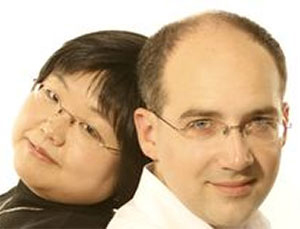 An evening of Brahms at any venue, with any combination of instruments, is always a deeply moving experience for those who love Romantic music. And so it was Wednesday evening, July 16 at Kent State’s Ludwig Recital Hall when Cleveland Orchestra principal cello Mark Kosower and pianist Jee-Won Oh presented three Brahms sonatas as part of the Kent/Blossom Music Festival Faculty Recital Series. This was an evening of deep emotion as these two excellent performers fused their exceptional talents into an exquisite program.
 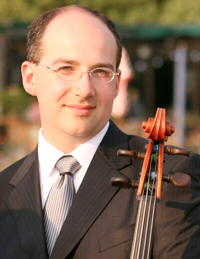 Last Thursday evening, April 17, The Cleveland Orchestra under guest conductor Herbert Blomstedt’s masterful hand performed a stunningly beautiful concert of romantic music. The program featured two wonderful Slavic works.