
by Daniel Hathaway
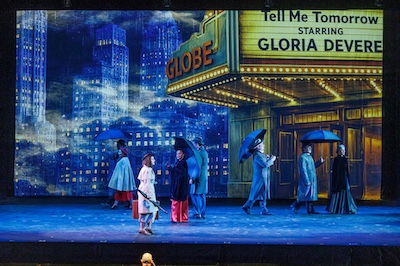 Oberlin Opera Theater’s spring productions brought two recent titles by composer John Musto and librettist Mark Campbell to the Hall Auditorium stage from March 5-7.
The excellent productions were masterfully directed by Scott Skiba, and the first-class Oberlin Contemporary Music Ensemble was conducted by Timothy Weiss, who synchronized stage and pit with a deft hand. And the singing and comedic acting — clearly informed by a residency with John Musto — were terrific.
Later the Same Evening (2007) was inspired by five paintings by Edward Hopper, the famous 20th-century chronicler of urban isolation. Bastianello (2008) expands on an outrageous Italian folk tale. Both have been filtered to some extent through Freudian psychoanalysis, which makes them relatable on the same program for those who wish to dig deeper.
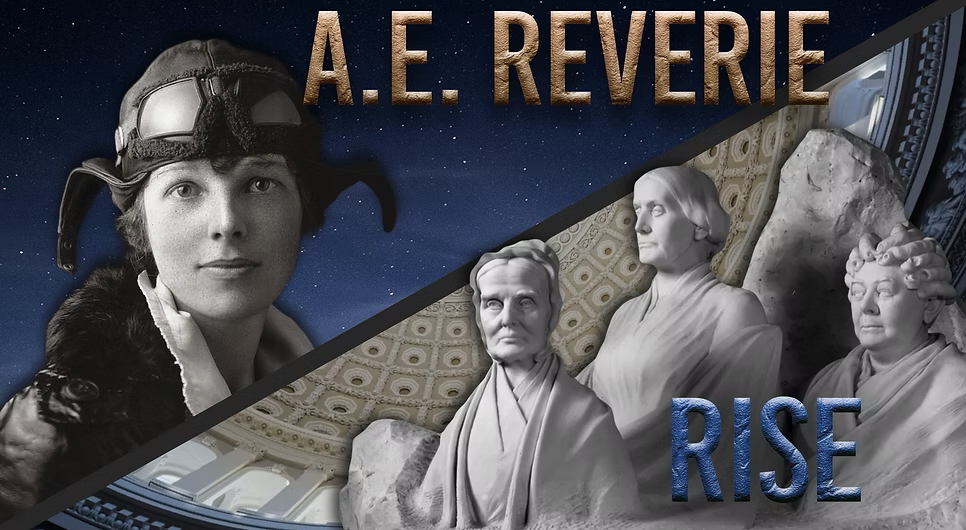 Asked at the post-concert talkback about her musical influences, composer Kamala Sankaram described an eclectic hodgepodge — Kaija Saariaho, Radiohead, and the Cameroonian electronic musician Francis Bebey, to name a few. “For the most part, things that I write sound very different from each other,” she said. “So it’s interesting that these two pieces sound kind of similar.”
 The contemporary relevance of doomed love, betrayal, and political maneuvering continues to endear Henry Purcell’s Dido and Aeneas to modern audiences. But the recent staging of the 17th-century opera by Baldwin Wallace Opera Theater made a more direct connection to today’s political climate.
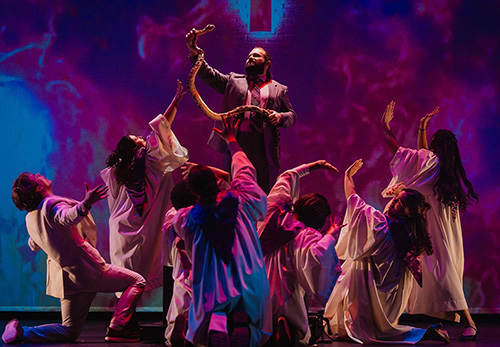
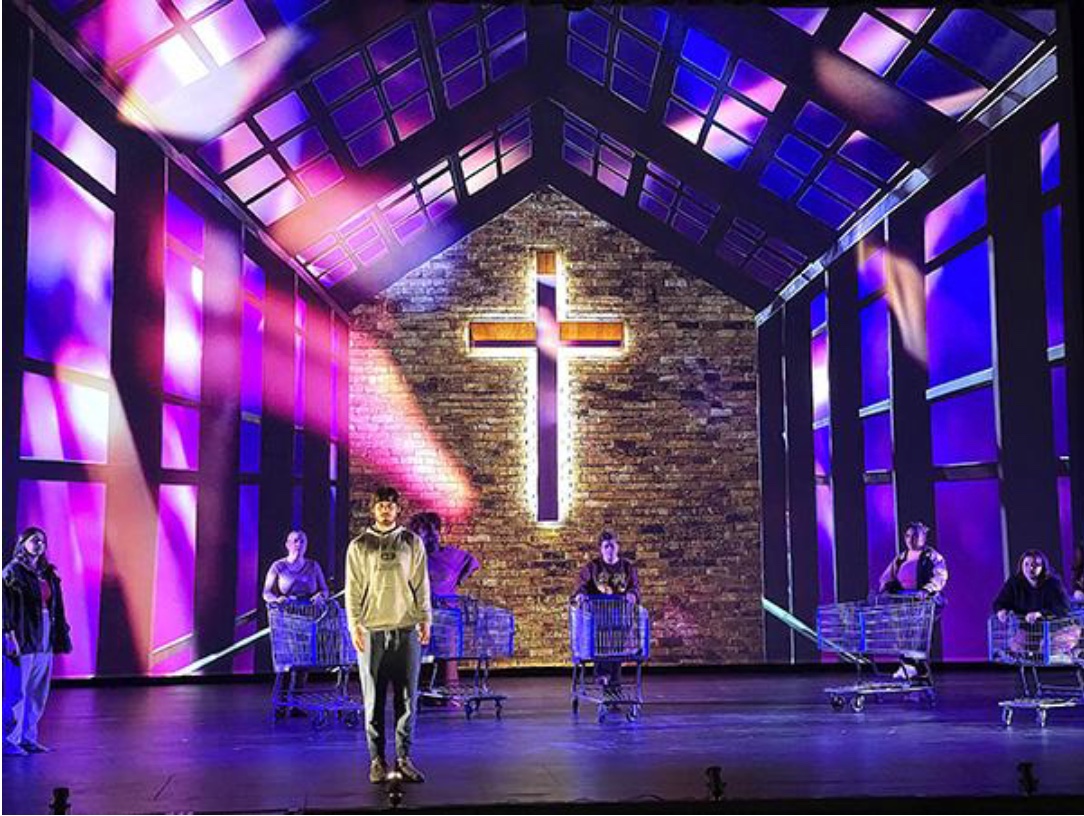
 Cleveland Opera Theater saw the payoff of several years’ work when
 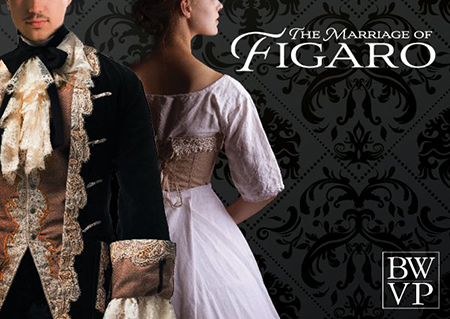 A mainstay of the opera repertoire, The Marriage of Figaro is the first of Mozart’s collaborations with librettist Lorenzo Da Ponte. The plot is filled with mistaken identity, surprise paternity, and intrigue, as the servants Figaro and Susanna triumph in marriage while comically thwarting the attempts of the philandering Count Almaviva to seduce Susanna.