


by Stephanie Manning
 This article was originally published on Cleveland.com
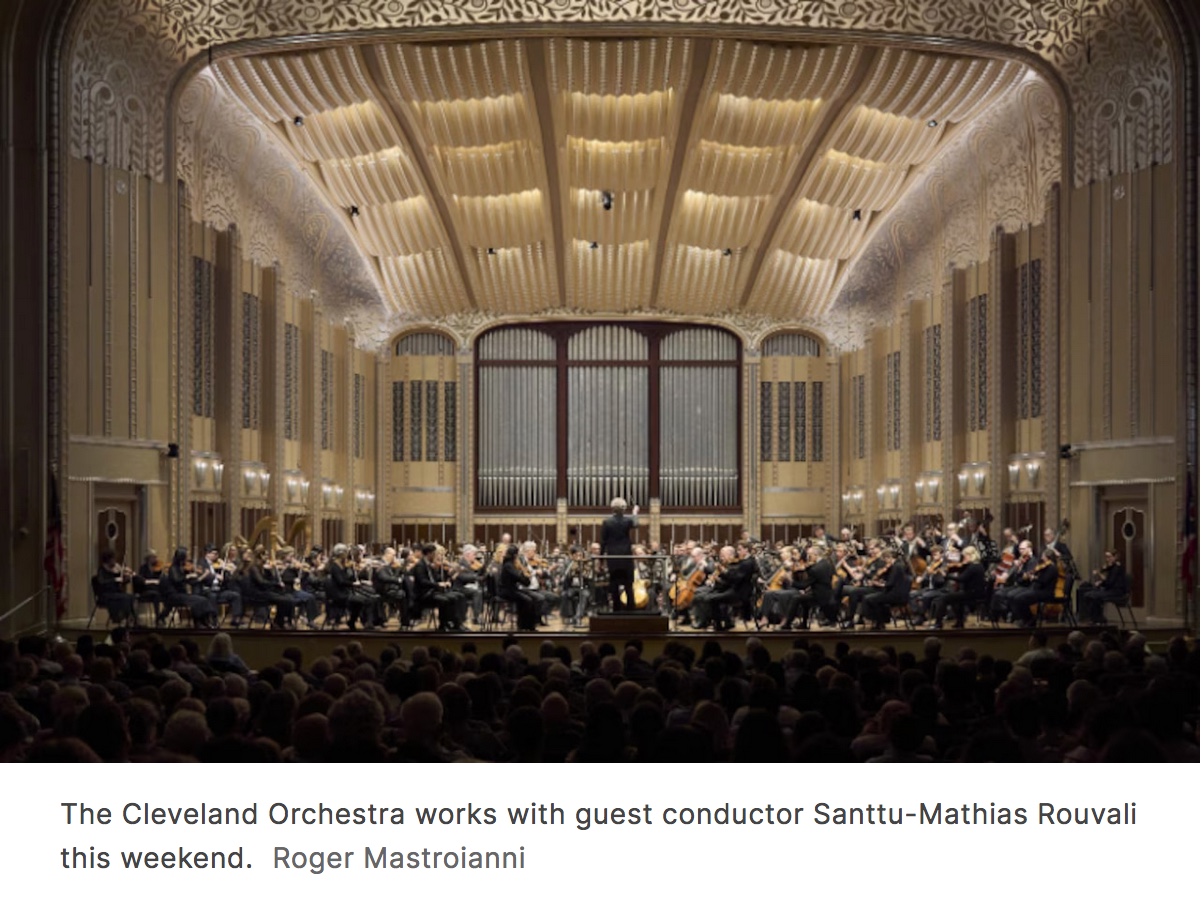
CLEVELAND, Ohio — Change of plans recently led to unexpected opportunities at The Cleveland Orchestra. And so, this week, guest conductor Santtu-Mathias Rouvali seized the moment. With the Mahler “Das Lied von der Erde” program moved to next season, a rare blank slate appeared. Rouvali stepped in on short notice to make his Cleveland debut presenting an impassioned program.
The three pieces performed on Thursday, Nov. 21 — which will be heard again on Nov. 22 and 23 — share a distinctive expressivity, and each represented an introduction of their own.
Carl Nielsen’s Overture to “Maskarade“ set the scene for the Danish composer’s opera, a well-known work in his home county but rarely played elsewhere. Its five minutes include a whirling ballroom waltz, which Rouvali accentuated by coaxing the brass to cut through the texture. The conductor quickly revealed his taste for flourishes, his motions imbued with a fluttery, cursive affect.
 The Cleveland Orchestra started settling into their holiday routine over the weekend. Blockbuster pieces are always on the schedule at Severance Music Center after Thanksgiving, and the crowd-pleasing program on Friday, November 25 was no exception.
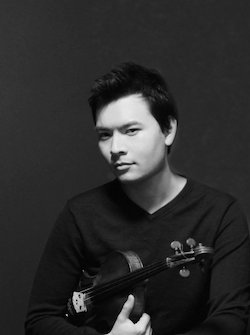 “I’m so excited about coming back to Cleveland,” violinist Stefan Jackiw said by phone from his home in New York. “I can’t wait to play the Britten with The Cleveland Orchestra in Severance Hall. It doesn’t get more luxurious than that.”
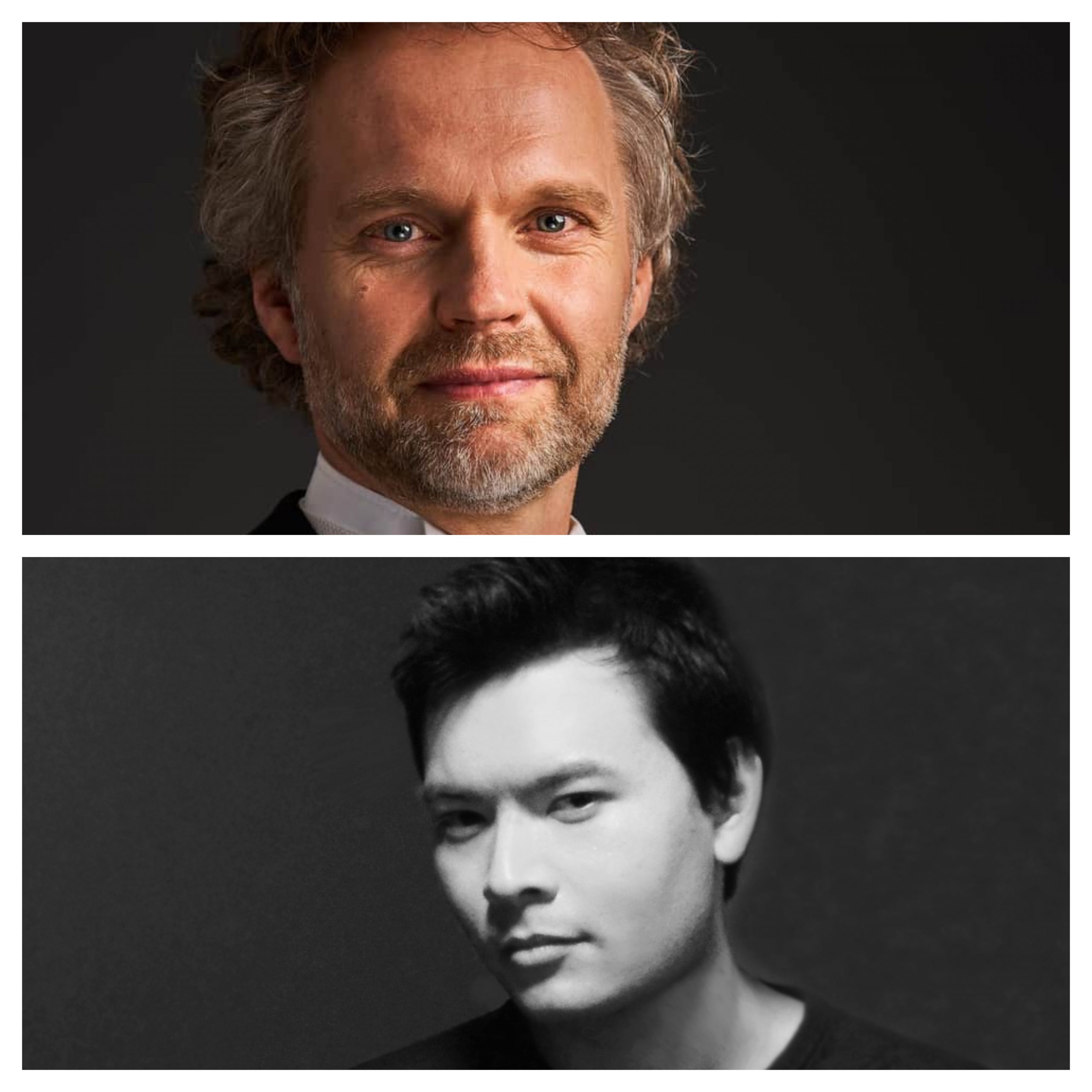
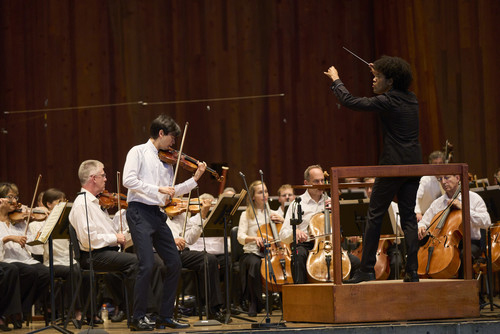 Venezuelan-born conductor Rafael Payare made his debut with The Cleveland Orchestra at Blossom Music Center on Sunday, July 25. Prokofiev’s Violin Concerto No. 2 featured Stefan Jackiw as soloist, and the program concluded with Antonín Dvořák’s evergreen “New World” Symphony. Payare is the music director of the San Diego Symphony and music director-designate of the Orchestre symphonique de Montréal.
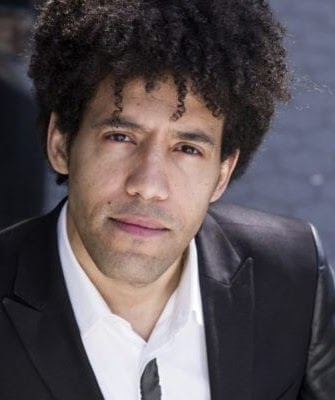 It’s fascinating how many people can recall the event that planted a career bug inside of them. For Rafael Payare, that event occurred while on tour in Italy as a member of the horn section of the National Children’s Orchestra of Venezuela. “This Italian maestro, Giuseppe Sinopoli, came. He spoke no Spanish and communicated only with his energy,” Payare recalled during a recent telephone conversation. “But he changed the sound of the orchestra in the first minute of rehearsal and that really impressed me. I thought, wow, when I am old and my hair is all white, I would love to be a conductor. So that is how the conducting bug got into me.”
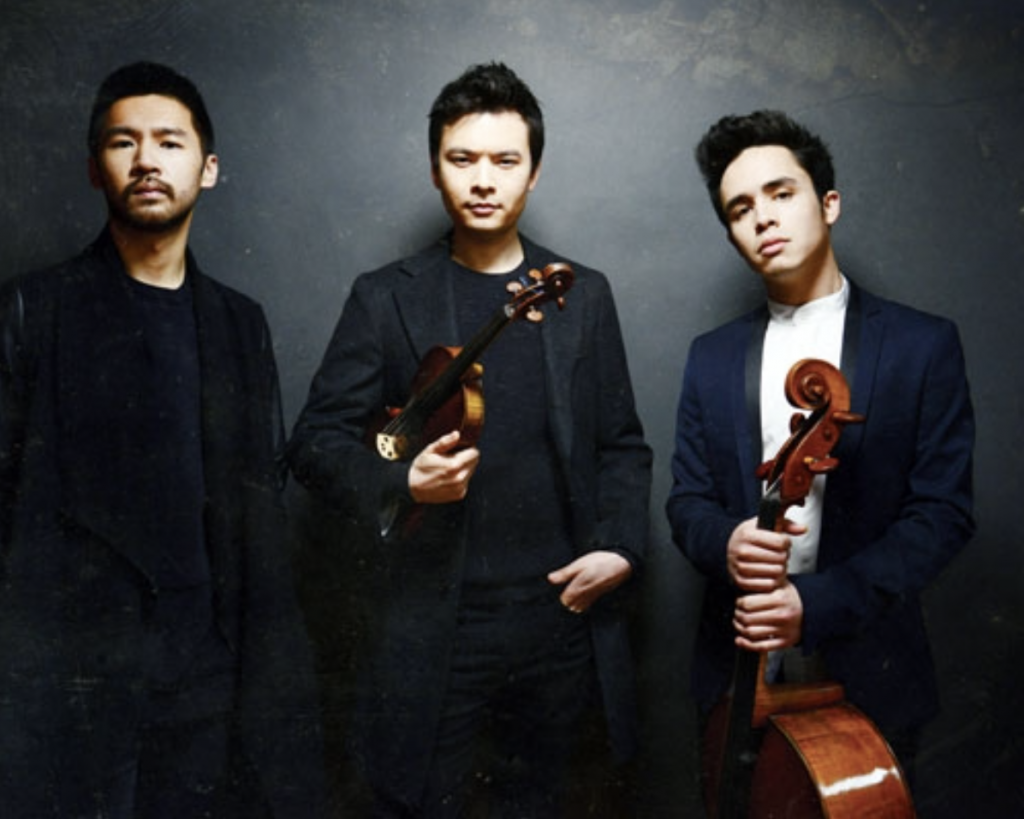 When you think of famous, old-school musicians, a certain invincibility comes to mind, but also a distance. So it’s refreshing when today’s virtuosos not only match or exceed the abilities of their predecessors, but also reveal without any hint of pretense that they’re human.