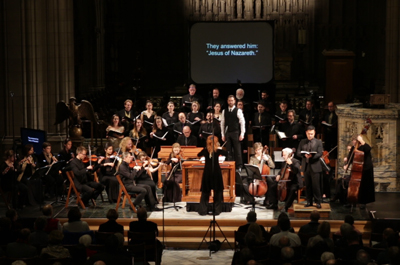
by Nicholas Stevens
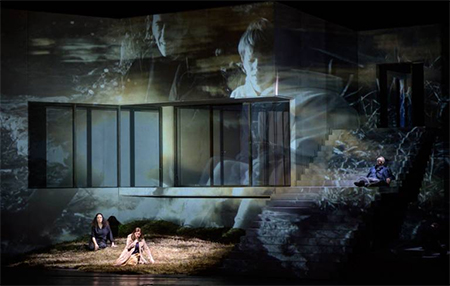 Opera has long dwelled on the point where love and suffering converge. When poets and composers made their first stabs at reconstructing Greek tragedy and created this genre instead, they retold myths of women who transformed to dodge lecherous gods, or of men duped into losing a lover twice. Artists have reiterated the idea of unhappy love for four centuries, each new opera of loss and longing a vertebra in the genre’s spine. Last week, I flew to Germany to hear a new opera as fixated on the consuming pressures of love as anything in the canon, yet also radical in its attention to the hearts, brains, and senses of ordinary, modern-day mortals. [Read more…]