



by Stephanie Manning
 If you’re intrigued by the idea of contemporary composers writing music for historical instruments, Les Délices says that their latest program is for you.
“Winds of Change,” the second offering in this season’s concert series, features virtuoso flutist Emi Ferguson in music inspired by the French and Haitian Revolutions. The performance will debut online Thursday, November 18 and remain available on demand through December 17.
At the heart of the program is the premiere of A Journey to Freedom by Sydney Guillaume. The Haitian composer, now based in Portland, Oregon, spoke to me by phone to discuss the piece and how it was inspired by his native country.
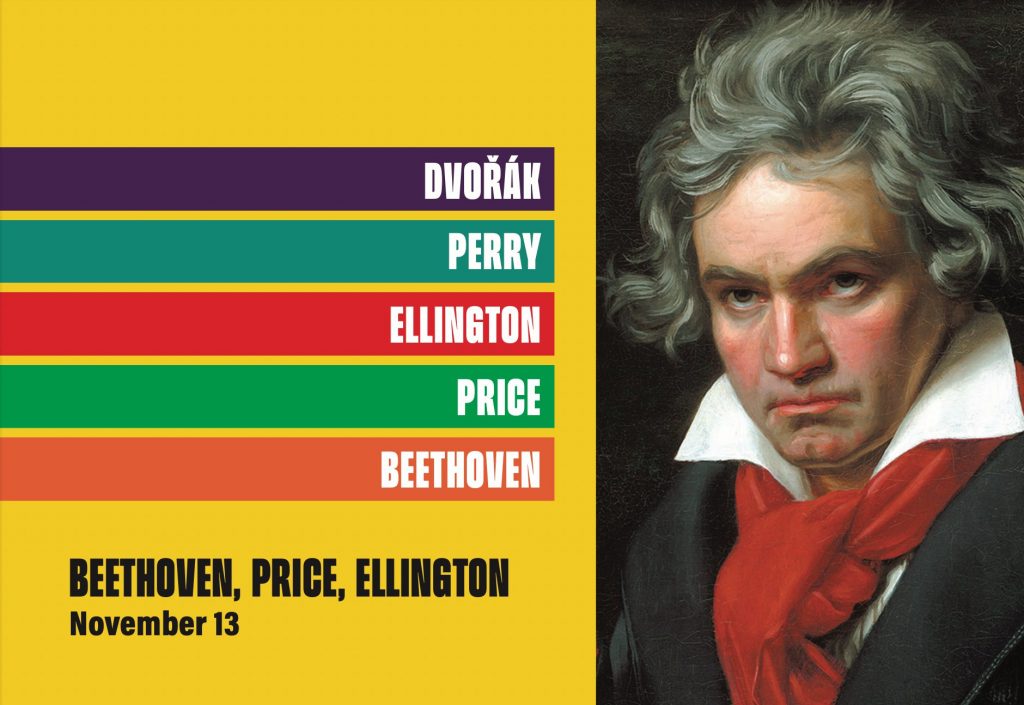 The opening of a concert season is always a festive occasion, and there’s a lot to celebrate this year for the Akron Symphony. “We’ve actually emerged from the pandemic stronger in a lot of ways than we went into it,” music director Christopher Wilkins said in a recent interview. On Saturday, November 13 at 8:00 pm, the orchestra will return to E.J. Thomas Hall with a program of works by Dvořák, Perry, Ellington, Price, and Beethoven.
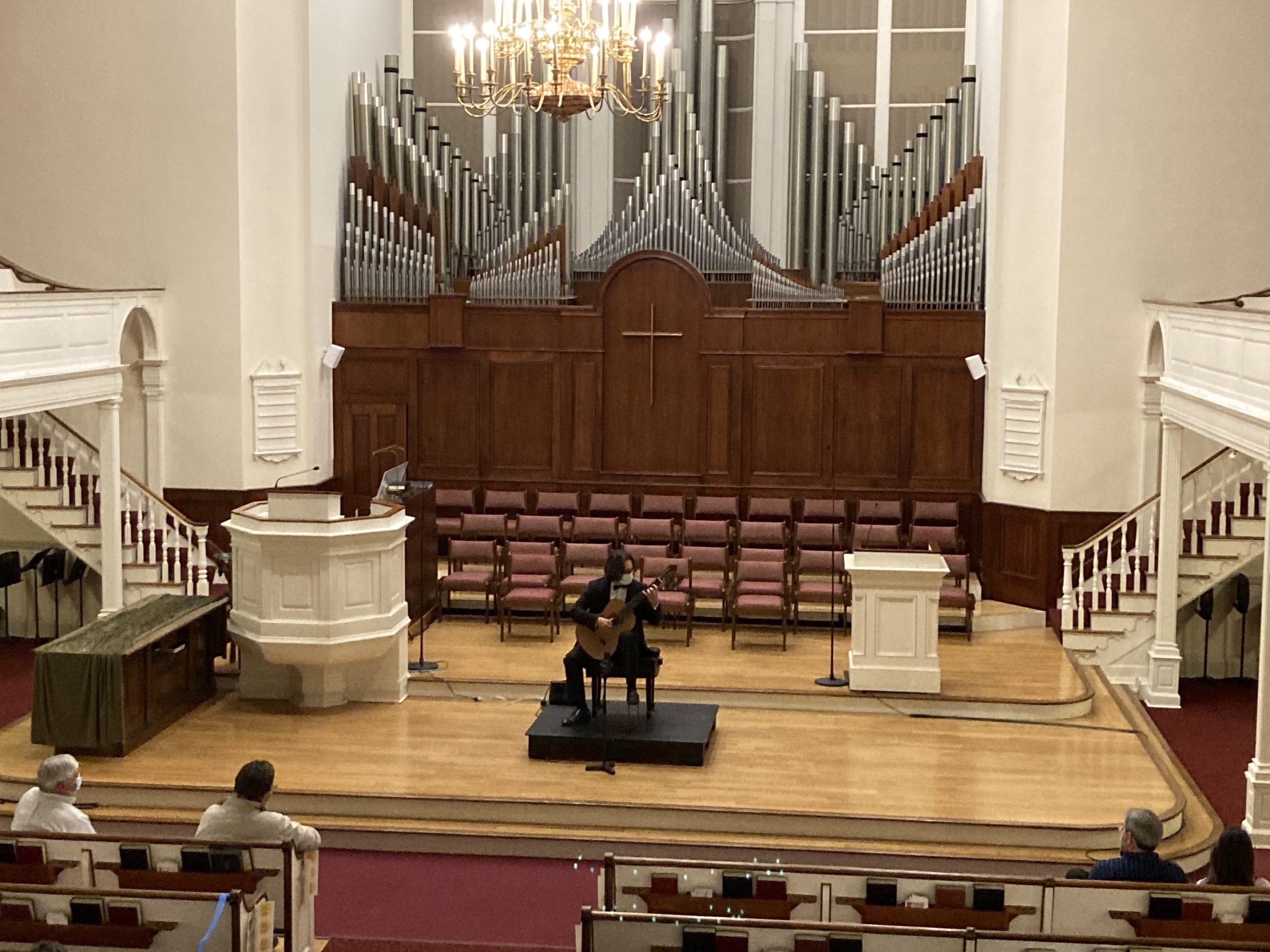 Like many of us, guitarist Celil Refik Kaya had a lot of time on his hands over the past eighteen months, and he used the opportunity to lean into another of his musical passions — composing. In his second-ever visit to the Cleveland Classical Guitar Society, Kaya brought the product of this extra time with him — the newly-composed Sketches, based on four works of visual art created by his father.
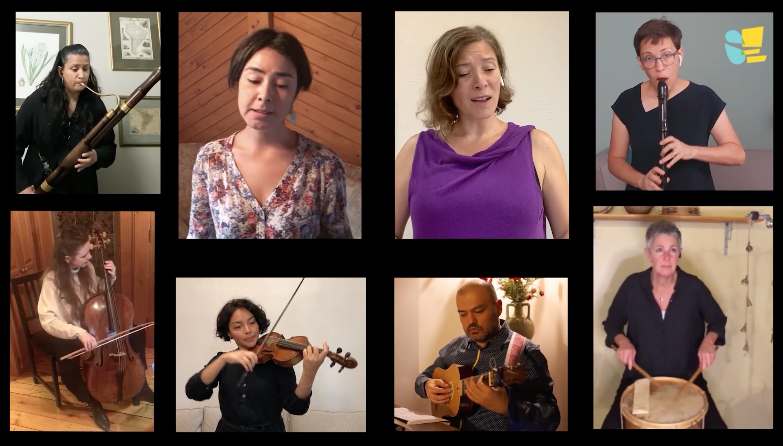 Poet, composer, and protofeminist — these are all accurate labels, but they only begin to describe the incredible Sor Juana Inés de la Cruz. Known as “The Phoenix of Mexico” and “The Tenth Muse,” de la Cruz led a fascinating life and left behind a legacy that artists of all kinds continue to explore today.
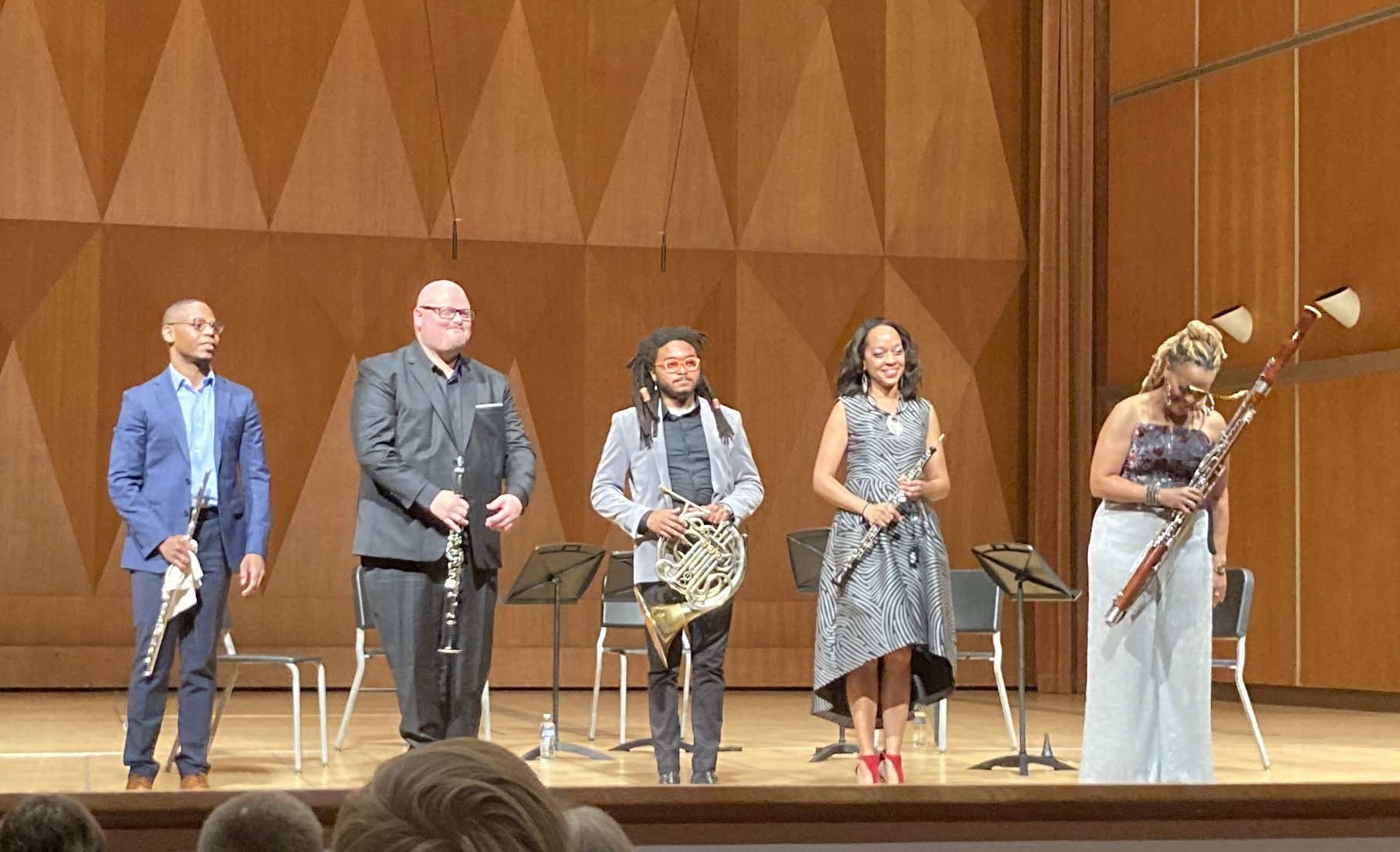 Midway through a recent concert by the Imani Winds, the group’s newest member, hornist Kevin Newton, stepped up to the microphone. Introducing a piece by Henri Tomasi, Newton highlighted a particular quote attributed to the French composer: “Music that doesn’t come from the heart isn’t music.”
 This season, even more than usual, Imani Winds is booked and busy. Rescheduled concerts from last year, combined with new additions to their schedule, promise a season full of travel and performances. “It’s a lot of making up for lost time,” bassoonist Monica Ellis said in a recent interview. “We’re just grateful that we’re able to be back and have live performances again, in one way or another.”
 In darkened theaters around the world last year, just one small sign of life remained — the ghost light, a single bulb traditionally placed onstage overnight while the space is unoccupied. During the height of the COVID-19 pandemic, these ghost lights became small symbols of hope, keeping the lights on until the performers and the audience could return again.
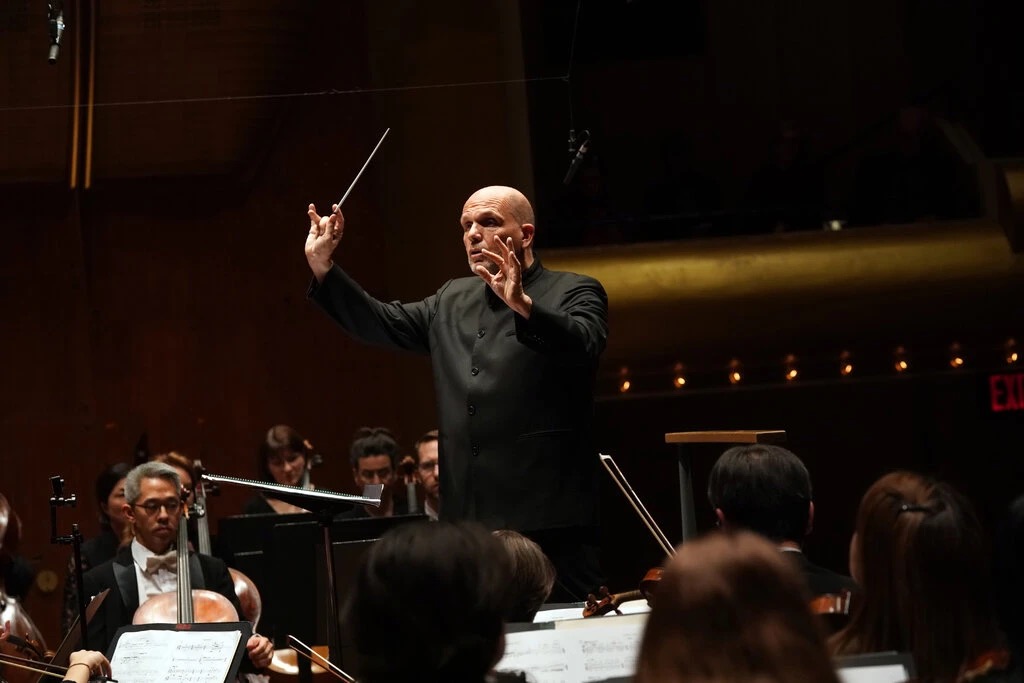 Jaap van Zweden, the New York Philharmonic’s music director, has
 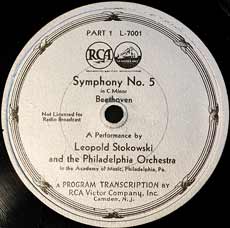 On this day in 1931, record company RCA Victor introduced a new product to the consumer market: the long-playing 33 1/3 rpm vinyl. These discs were called Project Transcription, and they represent one of the earliest efforts to bring the long-playing (or LP) record to market.
 Public radio in Northeast Ohio is about to undergo a dramatic change. Ideastream Public Radio and WKSU have announced they will enter an operating agreement, which will go into effect on October 1. This collaboration will create one of Northeast Ohio’s largest news organizations, and in 2022, WKSU will become the area’s sole NPR and local news station.
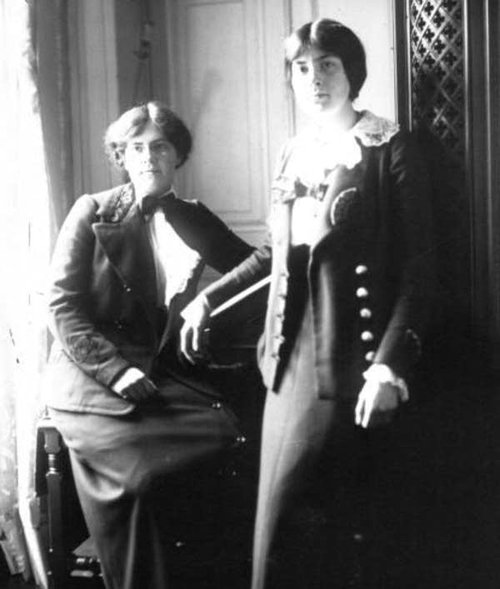 Born on this date in 1887 in her home country of France, Boulanger (pictured left with her sister Lili) is well-known for influencing an entire generation of composers, with her list of students including Aaron Copland, Philip Glass, and Astor Piazzolla. Her conducting career was equally impressive, as she was the first woman to conduct the Boston Symphony, Philadelphia Orchestra, and other major ensembles.
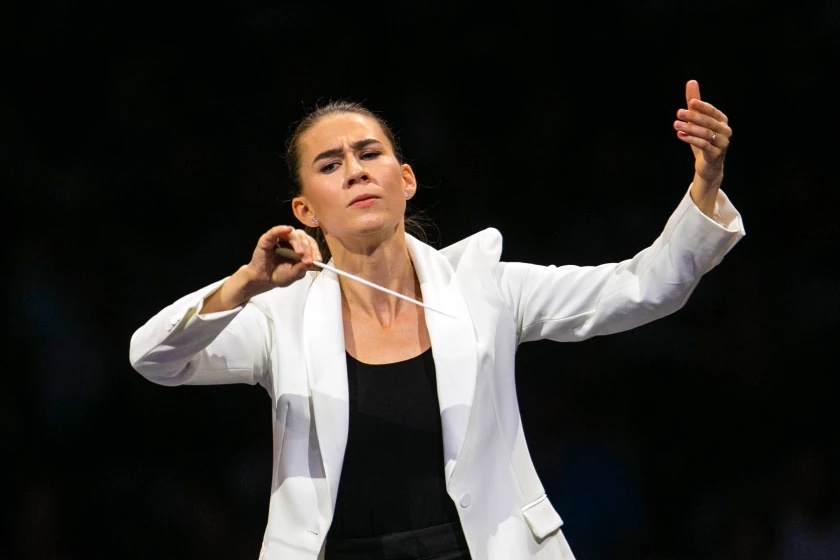 As a companion to yesterday’s diary, which included a New York Times piece exploring the careers of women conductors in the country’s top orchestras,
 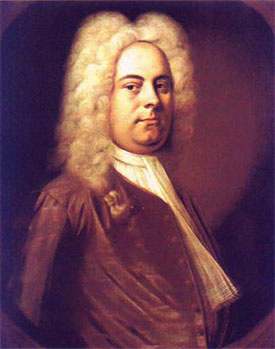 On this day in 1741, Handel (pictured) put the finishing touches on his Messiah, a composition he had been working on non-stop for the last 23 days. This great oratorio, now a fixture of the Christmas season, was first proposed to him by librettist Charles Jennens in July of that year.