

by Kevin McLaughlin
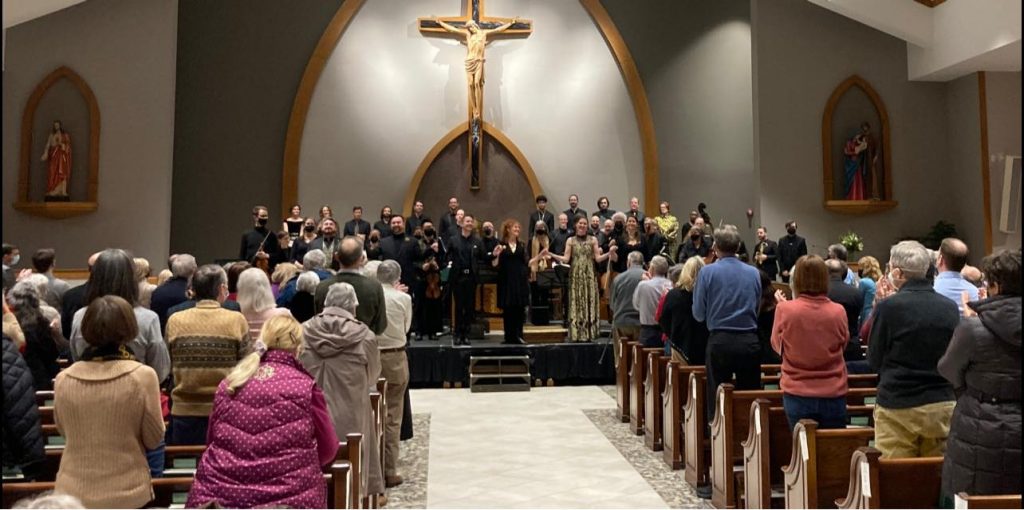
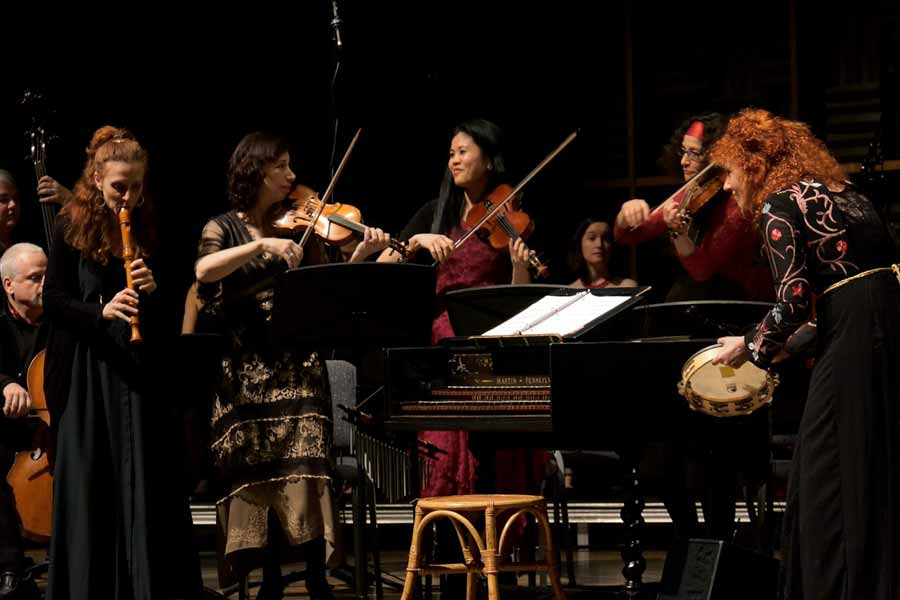 Who doesn’t love an Apollo’s Fire concert? Jeannette Sorrell and troupe always seem to offer a festival for the eye and ear — thoughtful thematic programs, all-out committed musicianship, and infectious exuberance. Wednesday’s program at Bath Church UCC was all this and more.
The third in a triptych of Jewish-themed programs titled “Exile and Resilience,” this one — thoughtfully conceived and researched program by Sorrell — offered seven perspectives on Jewish and African exile.
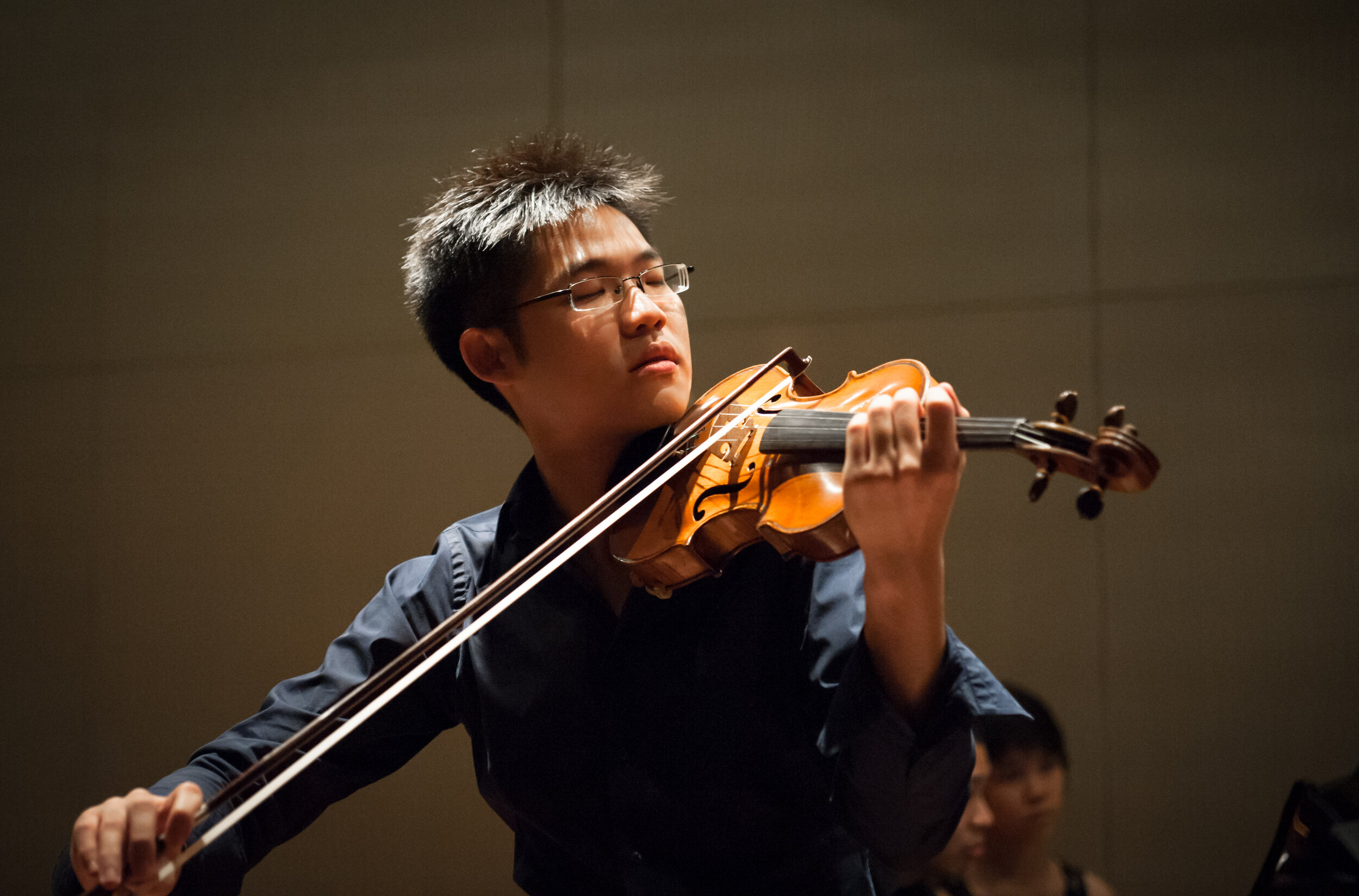 Longtime fans of Apollo’s Fire might think they’ve heard everything possible from Cleveland’s Baroque Orchestra, but they should have another listen. A fresh lineup of musicians and a largely unfamiliar set of composers were featured in the group’s concerts this month, making for an exciting evening with just a hint of trial and error.
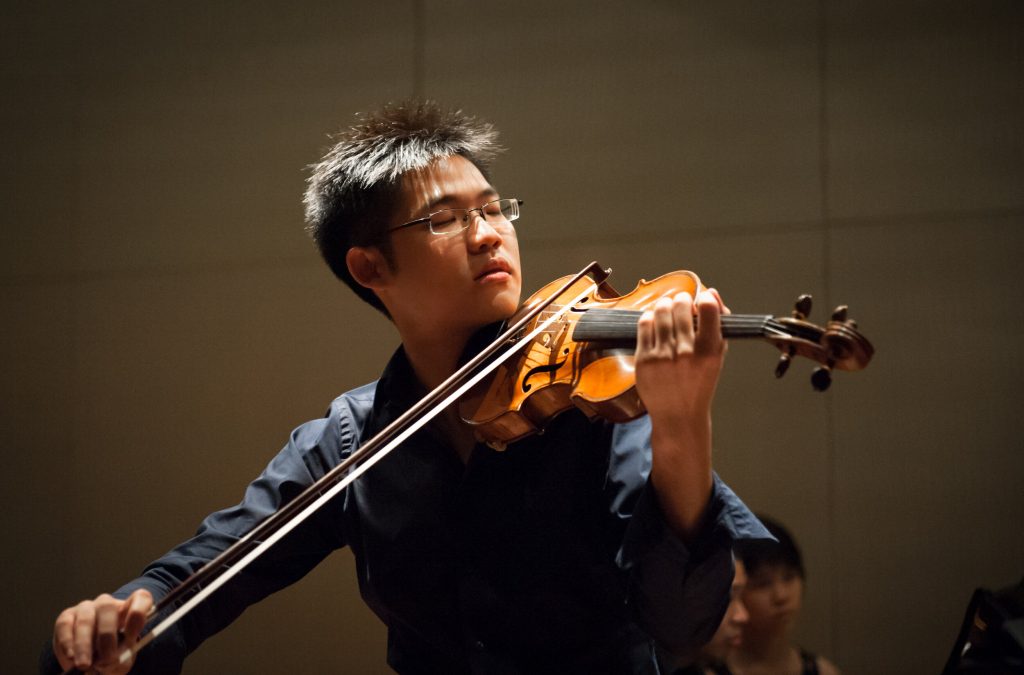 Most people who work multiple jobs have to factor commuting time into their schedules, but Apollo’s Fire concertmaster
 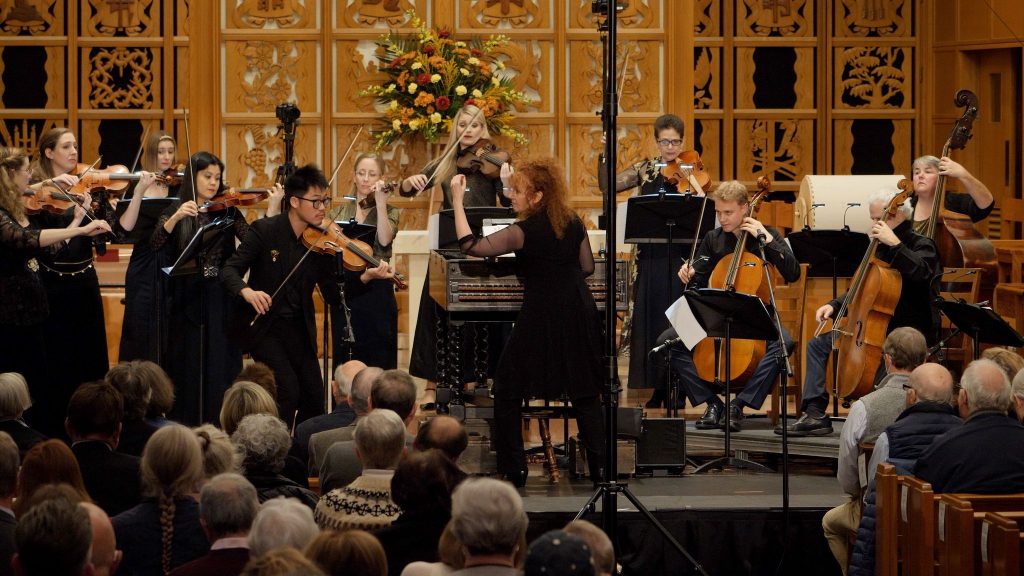 On a recent chilly Sunday in Cleveland Heights, waves of sleet skittered down from the heavens, ricocheting off anything that stood in their way. But the real storm was brewing inside St. Paul’s Episcopal Church, where Apollo’s Fire and director Jeannette Sorrell took the stage for their latest program. “Storms and Tempests” entertained a packed house on November 13, as the Baroque orchestra played up the drama of both nature and love.
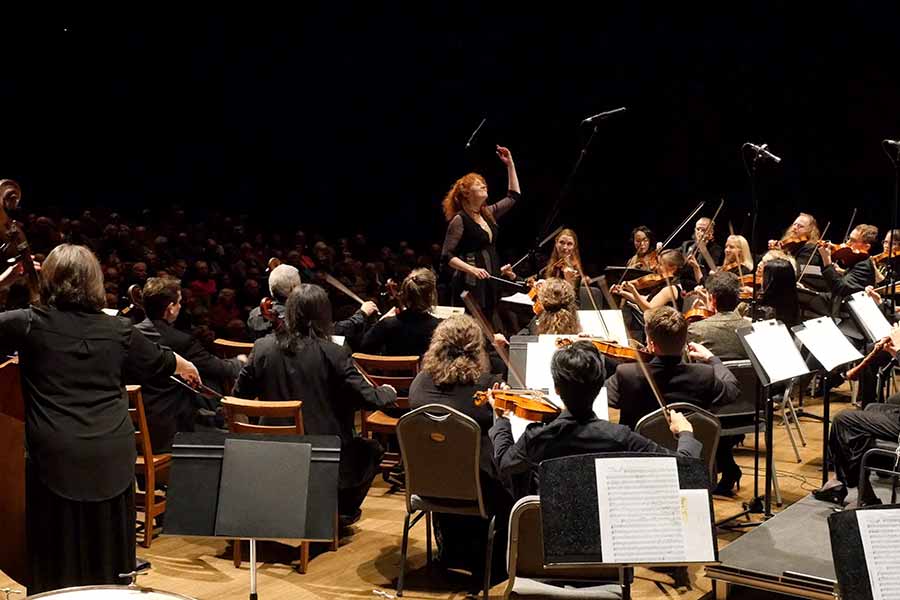 Turning thirty is a Big Deal for an individual, but no less significant a milestone for a musical ensemble. Just ask the musicians of Cleveland’s Baroque Orchestra, Apollo’s Fire, who marked that occasion with a trio of concerts last weekend led by its founder Jeannette Sorrell.
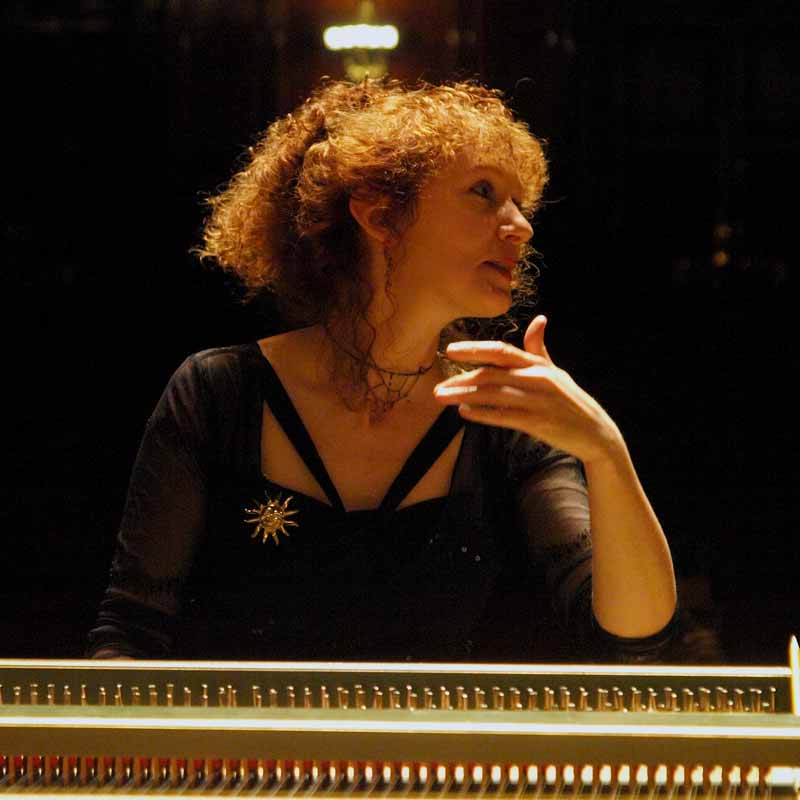 Cleveland’s Baroque Orchestra, Apollo’s Fire, will celebrate its 30th anniversary this weekend with three concerts: one in the 1930s splendor of Mandel Hall at Severance Music Center on Saturday, May 7 at 7:30 pm, flanked by programs in Akron and Bay Village on Friday and Sunday.
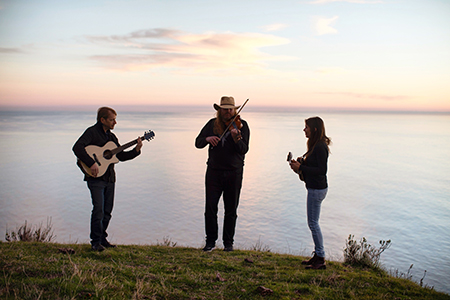 “Music is something that throughout time has developed different flavors around the world,” violinist Edwin Huizinga said during a Sunday morning telephone conversation.
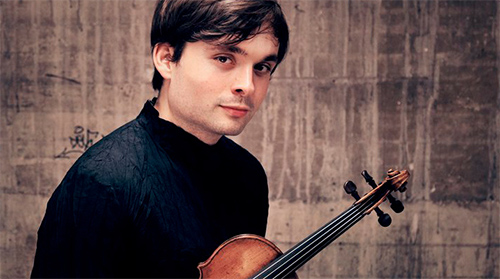 Born in Palma de Mallorca, raised in Madrid, and having spent a few summers in Aspen where he learned English, violinist Francisco Fullana was turned loose on New York City at the tender age of 16.
 When it comes to Handel’s oratorios, another repeat isn’t always a welcome thing. But Apollo’s Fire knows how to make an evening exciting, and the group’s reprise performances of the composer’s
 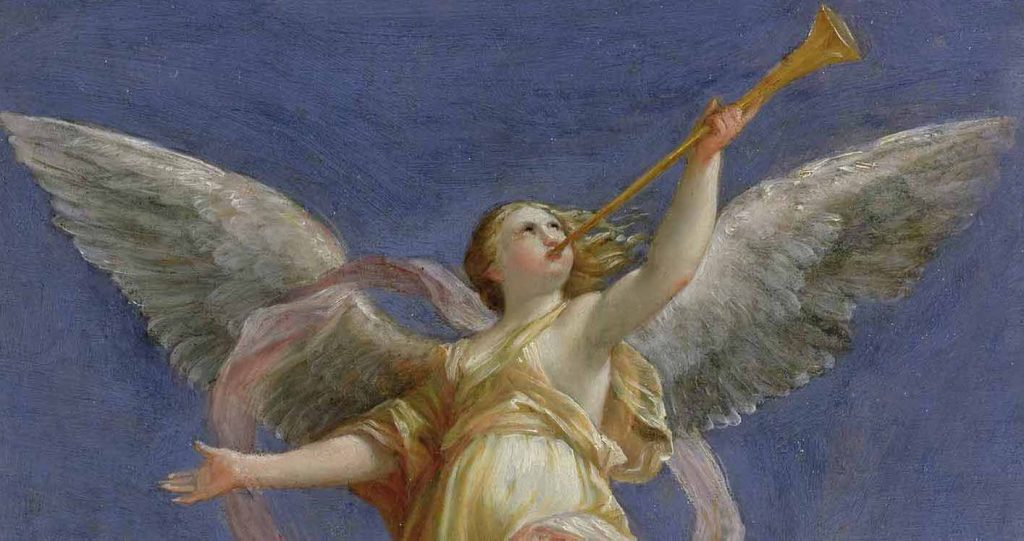 There’s something so engaging about watching Handel’s Messiah performed live — especially in the capable hands of Apollo’s Fire and Apollo’s Singers. The movement of the instrumentalists, the stage presence of the singers, and the enthusiastic response from the audience all elevate the experience of listening to this familiar music. On the evening of December 8 at Federated Church in Chagrin Falls, guest conductor Nic McGegan led the ensemble in a breathtaking performance of one of Handel’s cornerstone works.