by Stephanie Manning
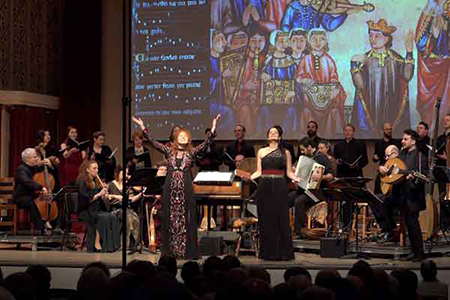
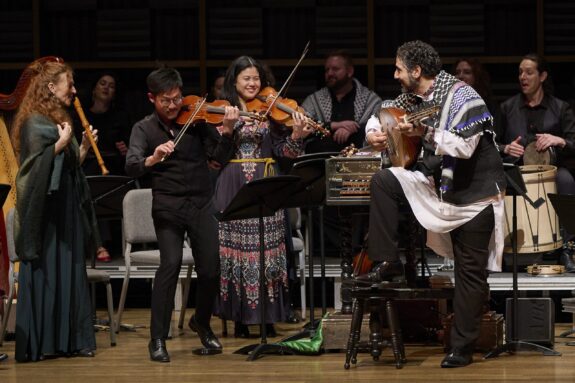 Every performance of “O Jerusalem! Crossroads of Three Faiths” is guaranteed to be a little different. Not only are there plenty of opportunities for the performers to improvise, but Apollo’s Fire has also made tweaks to the music selections in the years since the first performances.
Even so, “much has changed since I created this program in 2018,” artistic director Jeannette Sorrell acknowledged in the program book and onstage on April 10. Music that brings together Israeli and Palestinian performers feels heavier in 2026, two-and-a-half years after war erupted in the Gaza strip.
The concerts presented this April approached this reality with both seriousness and joy, a blend both true to the spirit of the original program and respectful of the current moment. I heard the Friday performance at the Cleveland Museum of Art’s Gartner Auditorium. The two musical and cultural consultants, Daphna Mor (Jewish) and Ronnie Malley (Arab), worked with Sorrell to add some new repertoire for this revival. [Read more…]
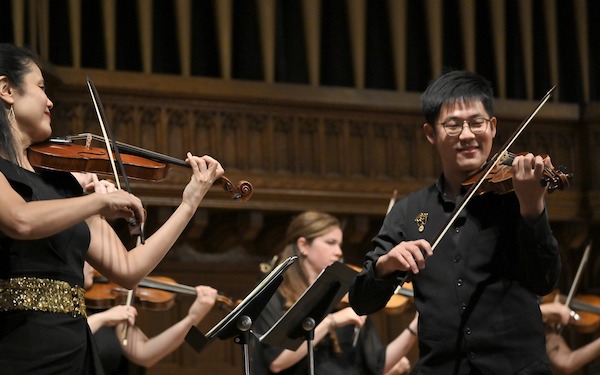
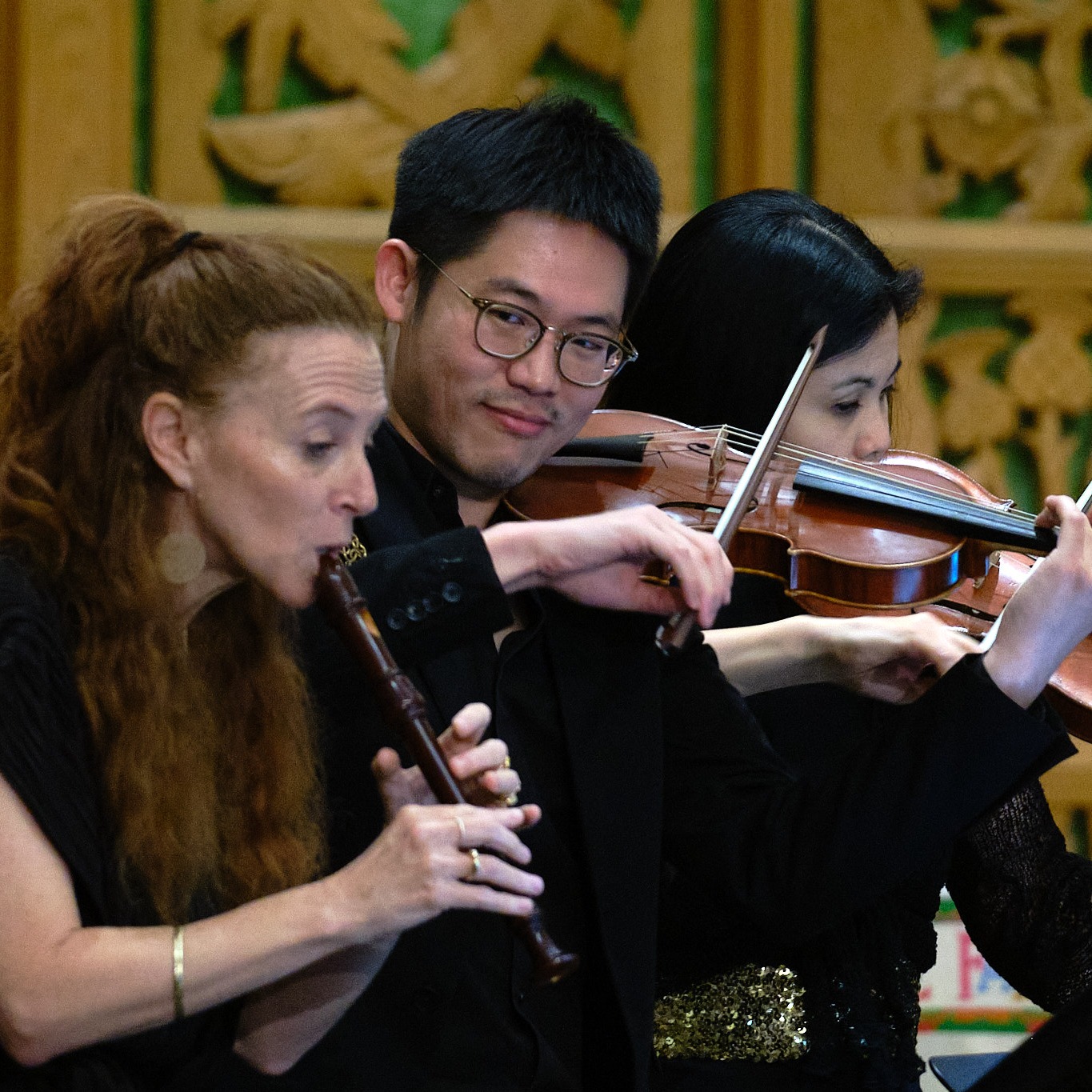 On Super Bowl Sunday — a day that brings out plenty of competitive spirit — spending the afternoon with Apollo’s Fire felt like the perfect balance. In the few hours before “The Big Game” on February 9, those of us listening to the music in St. Paul’s Episcopal Church in Cleveland Heights were all rooting for the same team.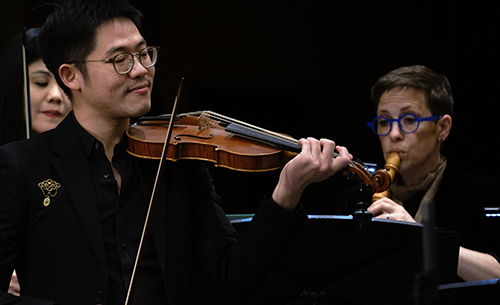
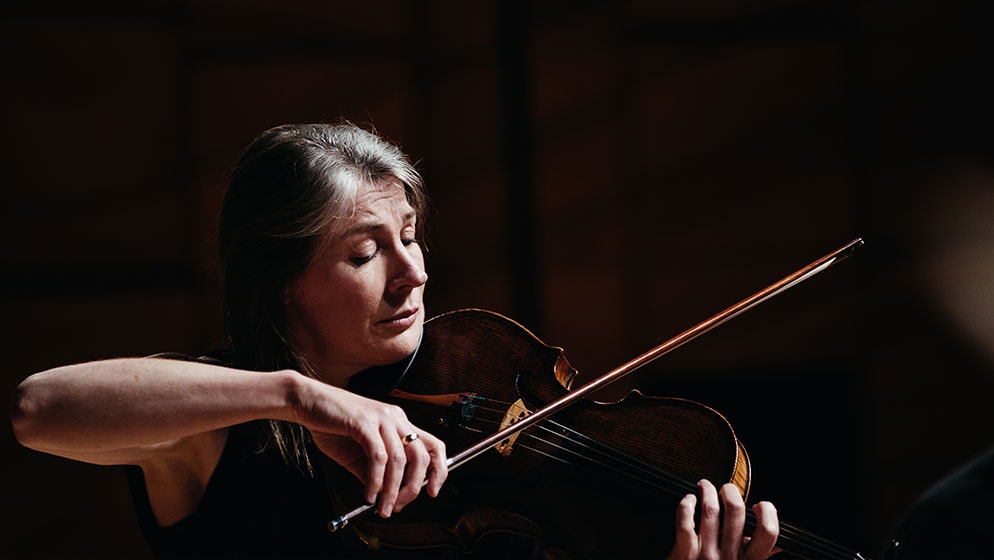
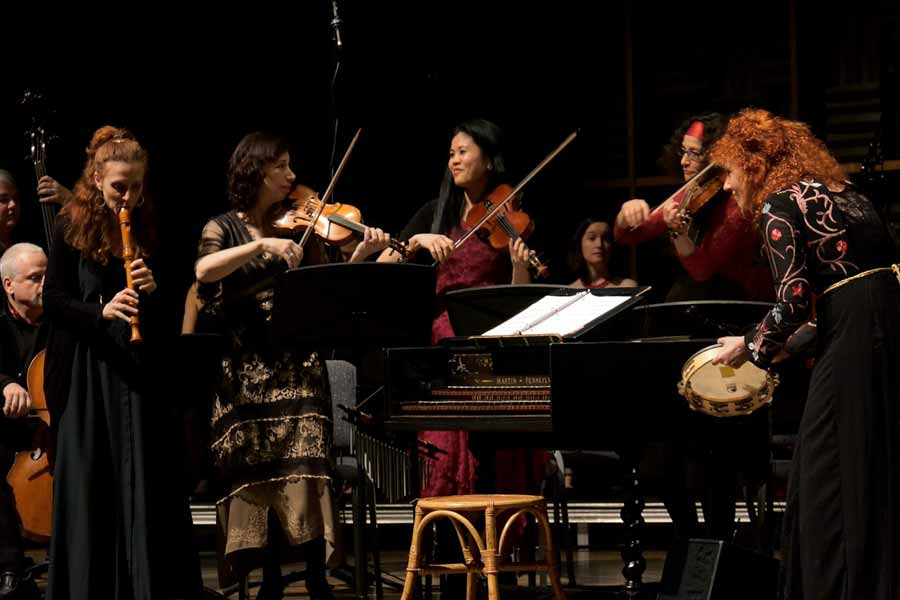 Who doesn’t love an Apollo’s Fire concert? Jeannette Sorrell and troupe always seem to offer a festival for the eye and ear — thoughtful thematic programs, all-out committed musicianship, and infectious exuberance. Wednesday’s program at Bath Church UCC was all this and more.
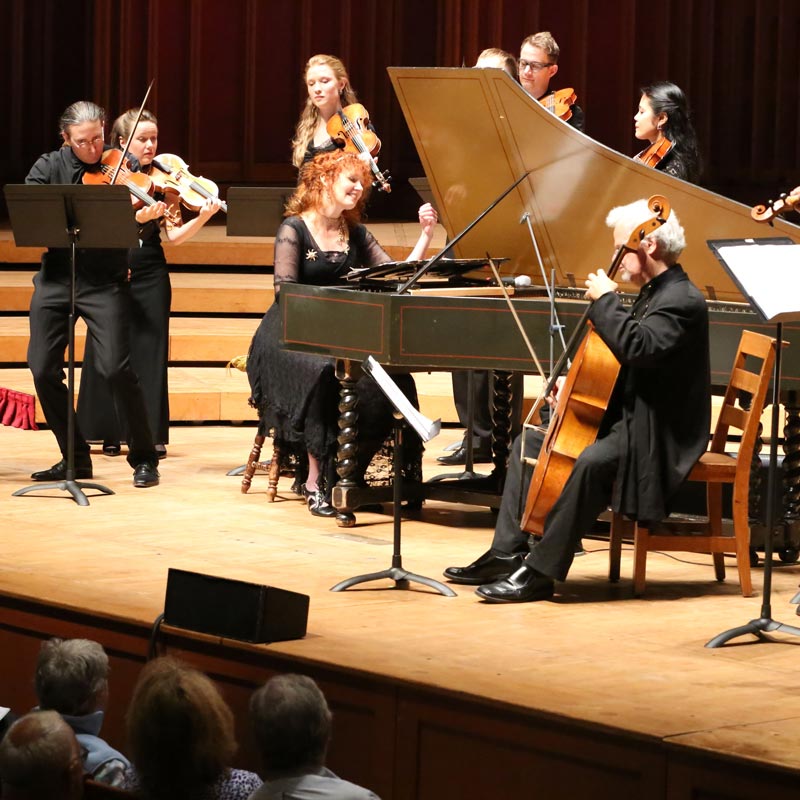 Apollo’s Fire is making the most of the summer. Cleveland’s Baroque Orchestra is easing audiences back into live performances this month with a program, “Bach, Vivaldi, and Friends,” that satisfies all musical expectations. The group followed up a terrific first concert on Saturday, July 10, at the Avon Lake United Church of Christ with two more local performances and one on tour at Tanglewood.
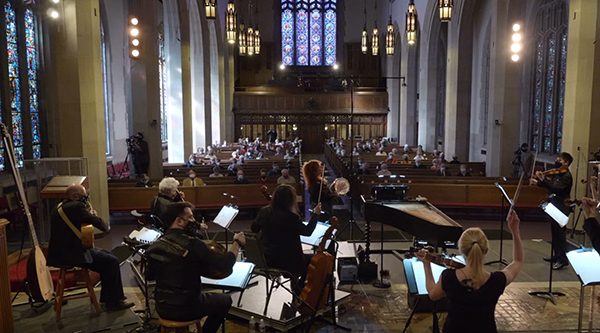 With each of its themed programs, Apollo’s Fire is becoming more than just a period instrument ensemble that gives concerts. Its March program, “Tapestry — Jewish Ghettos of Baroque Italy,” which replaces performances of Handel’s Israel in Egypt, finds Jeannette Sorrell and her colleagues moving seamlessly out of their usual roles to morph into singing actors and dancers, all in order to bring the subject at hand to vibrant life.