


by Kevin McLaughlin
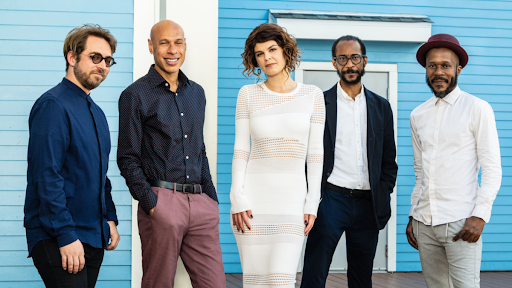 The pantheon of jazz saxophone gods surely must look down with approval whenever Joshua Redman performs. With a formidable technique and a saxophone voice that glows with innate lyricism, Redman appeals to listeners of every stripe — those with the flame of tradition in mind and those who couldn’t care less about that.
Recently, with the addition of Gabrielle Cavassa, he has broadened his expressive palette to include the human voice. Cavassa joined the Joshua Redman Group at the Cleveland Museum of Art’s Gartner Auditorium for a superb display of talent on Wednesday, January 10. And though Redman’s expressive and technically astounding tenor sax dominated the evening, what lingered in the heart were Cavassa’s superb interpretations of the songs.
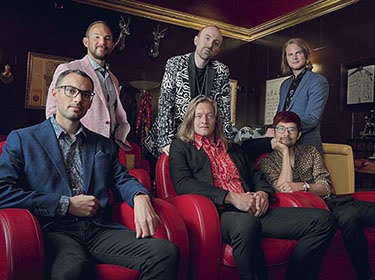 Accent’s holiday concert at the Cleveland Museum of Art on December 8 was a hometown affair, even if the six members of this all-male a cappella ensemble had collectively traveled thousands of miles to be there.
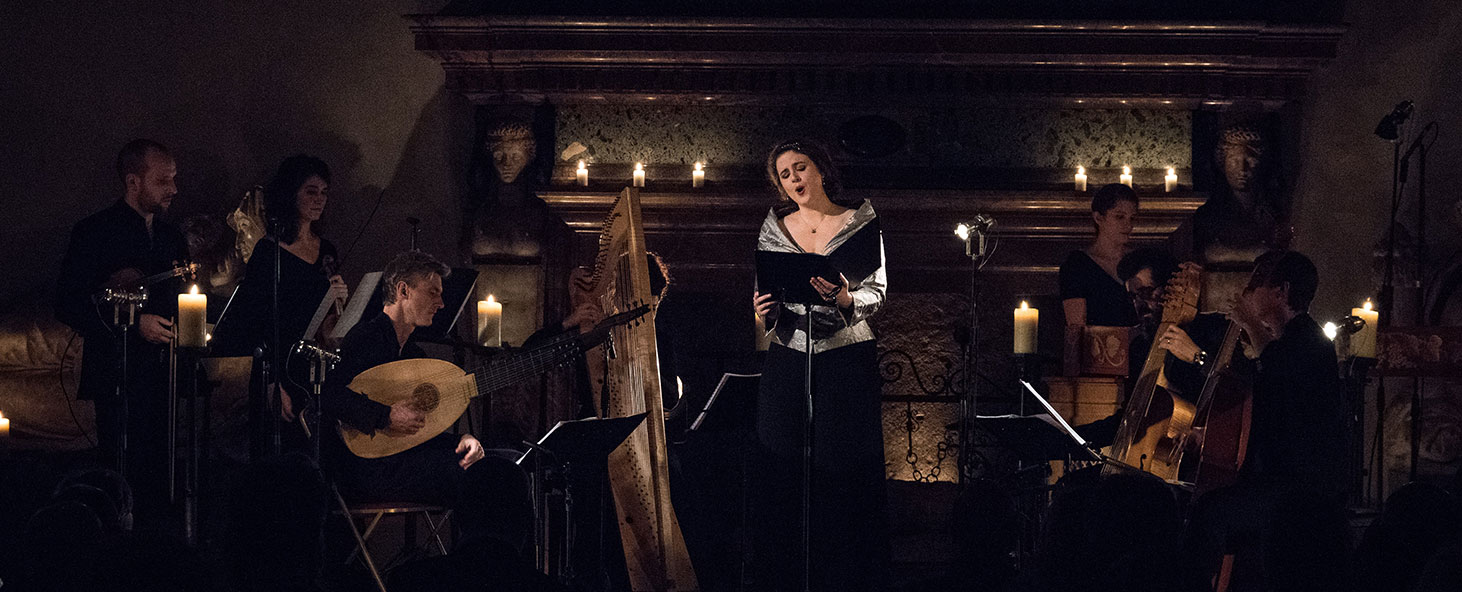 If you had stopped by the Cleveland Museum of Art on Wednesday, Oct. 25, you would have experienced an evening fit for a king. Members of Le Poème Harmonique, the French early music ensemble led by Vincent Dumestre, presented a sophisticated concert in Gartner Auditorium that centered around the tastes and decrees of Louis XIV.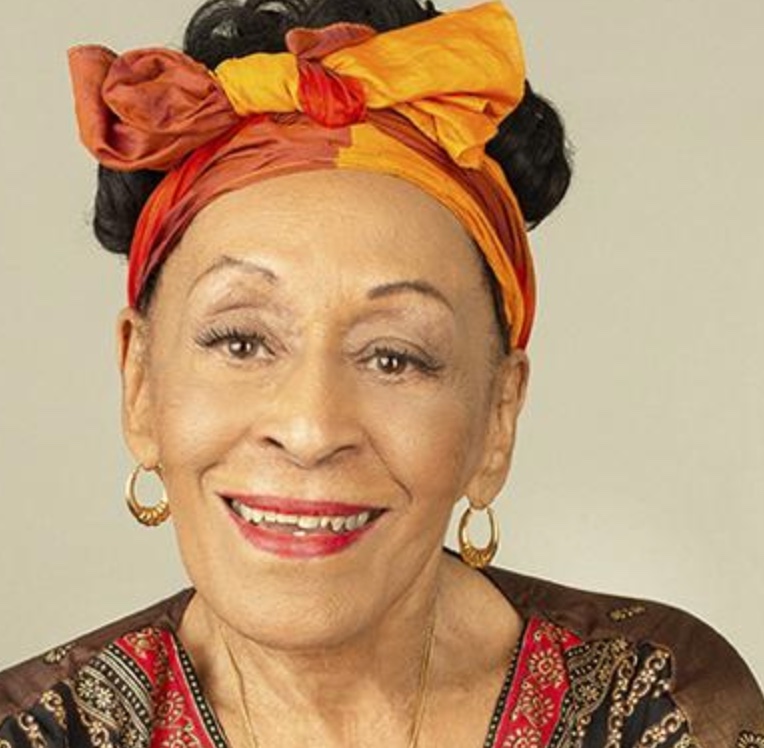
 If you had to pick one thing that symbolizes Mahani Teave — pianist, cultural ambassador, and environmental activist — an easy choice would be the Rapa Nui School of Music and the Arts, the first music school on that remote island 2,000 miles off the coast of mainland Chile, with a population of 8,000.
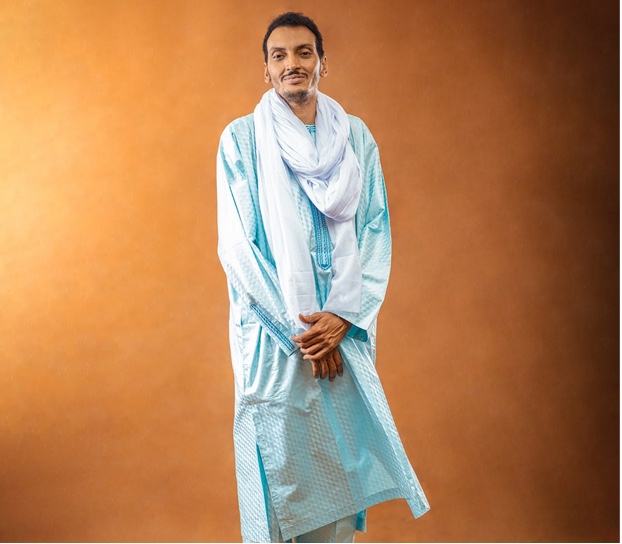 Really good concerts will allow you to enjoy the music on show; the best ones will allow you to live inside of it. Tuareg musician Bombino’s performance at the Cleveland Museum of Art’s Gartner Auditorium on Wednesday, October 11 was certainly an example of the latter. The concert was magical from start to finish.
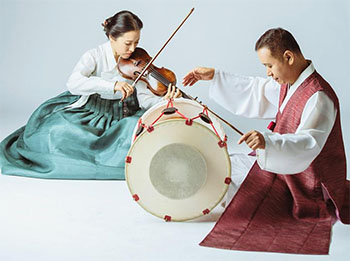 It’s certainly not something you hear every day: a concert-lecture of Korean traditional music played on the modern violin. Can this kind of thing work? Should it?
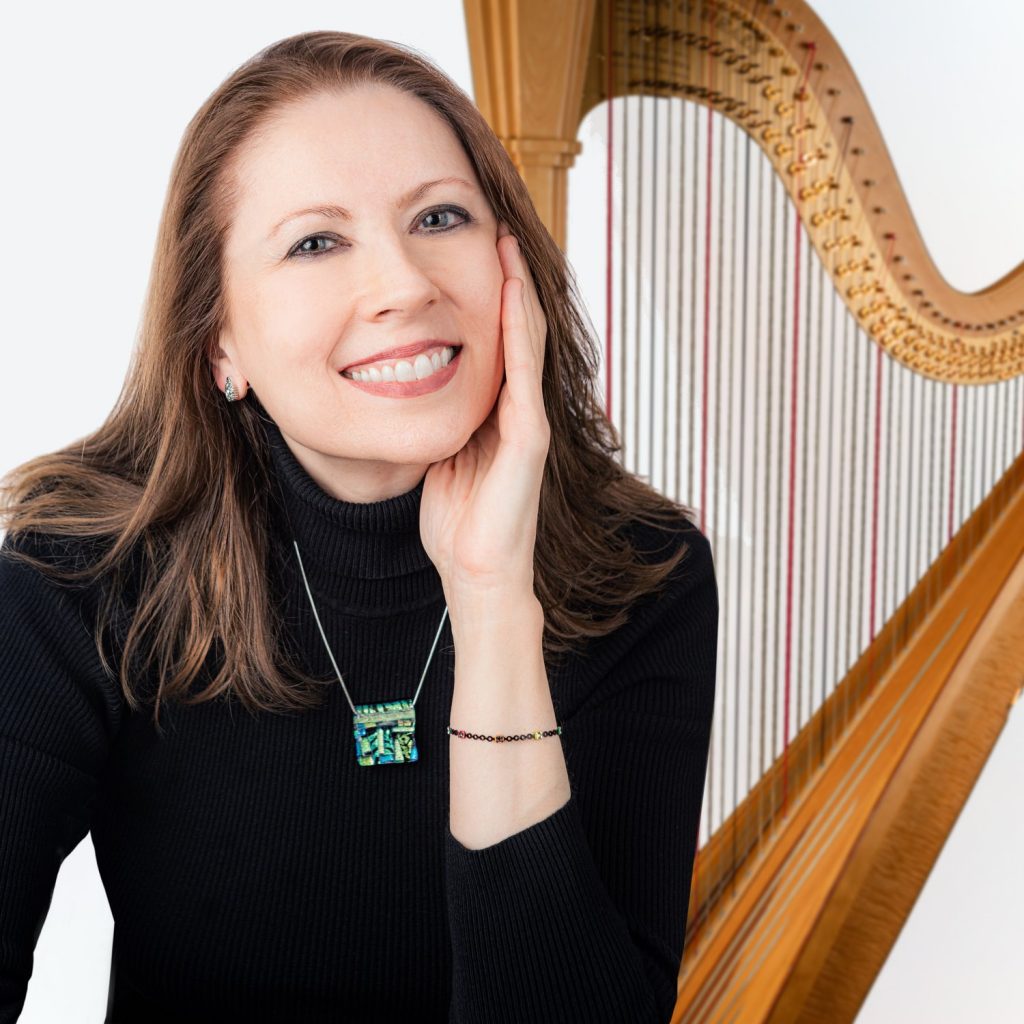 “When we see an idea expressed in the language of art, our sensory reactions often open the heart and mind to interaction in ways that mere facts may not,” writes Yolanda Kondonassis, who is not only a celebrated harpist but also the founder and director of the
 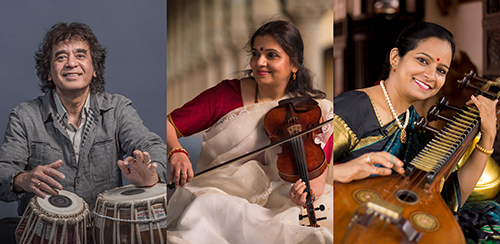 In Hindu tradition, there is a sacred site near Allahabad, India, where three rivers meet: the Ganges, the Yamuna, and the mythical Saraswati, thought to be invisible or perhaps underground. The confluence of those three rivers is known as Triveni Sangam — a name that three virtuosos of Indian classical music have borrowed to describe their new collaboration and the confluence of styles it represents.