by Daniel Hathaway

One of the most popular of all opera titles came about through a contest. 27-year-old Pietro Mascagni barely made the deadline for a new opera competition set up by Milanese publisher Edoardo Sonzogno in 1888, but won out over 72 other aspiring young Italian composers who fulfilled the entrance criterion of never before having had an opera staged. His winning entry, the one-act opera Cavalleria rusticana, received its premiere in Rome in 1890.
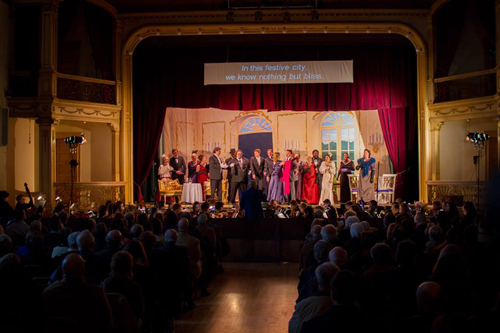
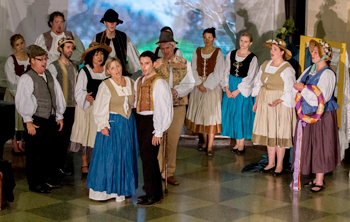
Although Mascagni lived until 1945 and penned fourteen other stage works, none ever received the attention that “Cav” attracted. Cleveland’s Opera Circle, having previously produced Mascagni’s second opera, L’Amico Fritz, will mount two staged performances of Cavalleria rusticana on Friday evening, November 21 and Sunday afternoon, November 23, at First Baptist Church in Shaker Heights. [Read more…]
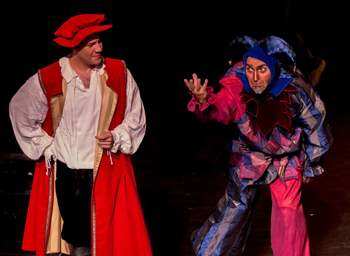
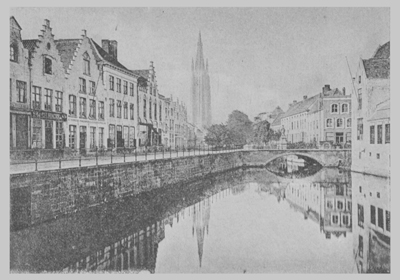 Opera Circle staged an enticing production of Erich Korngold’s Die tote Stadt (“The Dead City”) on Saturday, June 14 at the Ohio Theatre in PlayHouseSquare. The opera is something of a rarity, probably because of the challenges of dealing with the eerie subtleties of its plot, its demand for a Heldentenor to sing the role of Paul, and its opulent 1920s orchestration. Die tote Stadt is a major undertaking for any small company, but Opera Circle admirably rose to the task.
 Erich Wolfgang Korngold isn’t exactly a household name, but you’ve probably heard music by him or imitating him. Korngold, an Austrian composer active in the first half of the twentieth century, is best known in the US for his scores of such Hollywood films as The Adventures of Robin Hood and The Prince and the Pauper in the ‘30s and ‘40s. As the distinguished music journalist Donald Rosenberg said in a phone interview, “He really changed the whole trajectory of film scores by writing very lushly for the orchestra, using it almost as a character in the drama, and by writing scores that were essentially operatic, with themes for different characters.”