


by Mike Telin
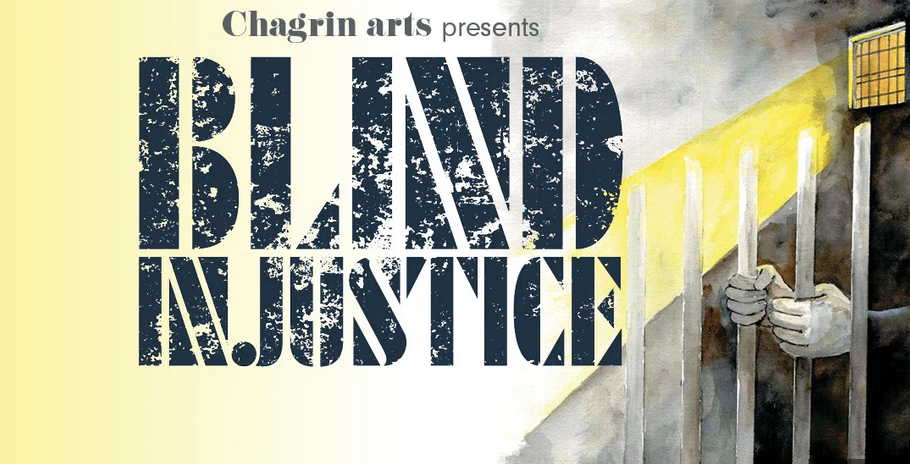 This weekend, Chagrin Arts will present the Northeast Ohio premiere of Blind Injustice at Outcalt Theatre in Playhouse Square.
Composed by Scott Davenport Richards with a libretto by David Cote, the opera is based on Ohio Innocence Project co-founder Mark Godsey’s book of the same name and interviews with six people who had their convictions overturned. The 90-minute opera will be presented on Friday, July 11 (sold out), Saturday, July 12 at 7:30 pm and Sunday, July 13 at 3:00 pm. Tickets are available online.
We caught up with director Eric van Baars, conductor Andrew Grams, and chorus master Jay White on Zoom. I began our conversation by asking them how they became involved with the project.
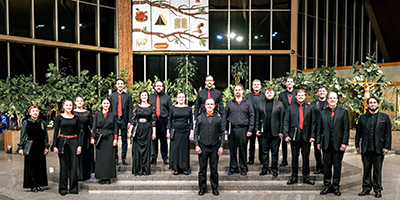
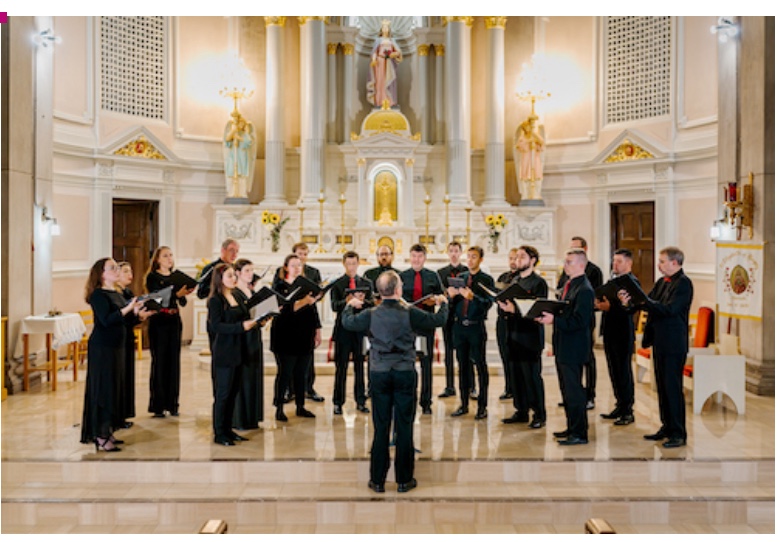 For the past eleven years, Quire Cleveland’s Carols for Quire concerts have become a holiday tradition. Over the years, the program — which began with pairing old and new carols — has explored numerous facets of the festive songs that are sung around the world during the Christmas season.
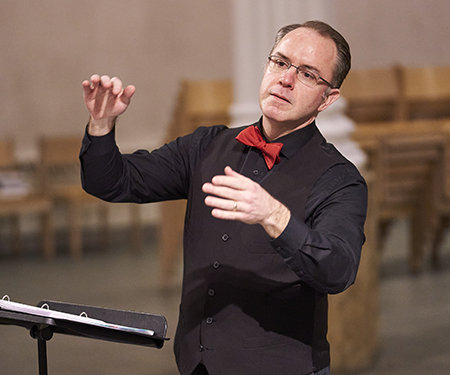 Have you ever walked into a Cathedral and heard music coming from some place and you needed to find out where? While your ear told you to proceed down the left side of the building, as you got closer you discovered that the sound was actually originating from the other side of the space.
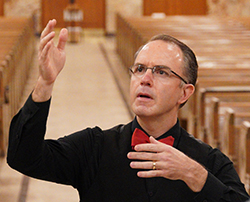 When you’re looking for neglected music to program, it’s helpful to have friends with wide-ranging tastes who are cleaning out overflowing collections of recordings. That’s how Quire Cleveland artistic director Jay White stumbled across a major work by the 17th-century Bohemian composer Christoph Demantius.
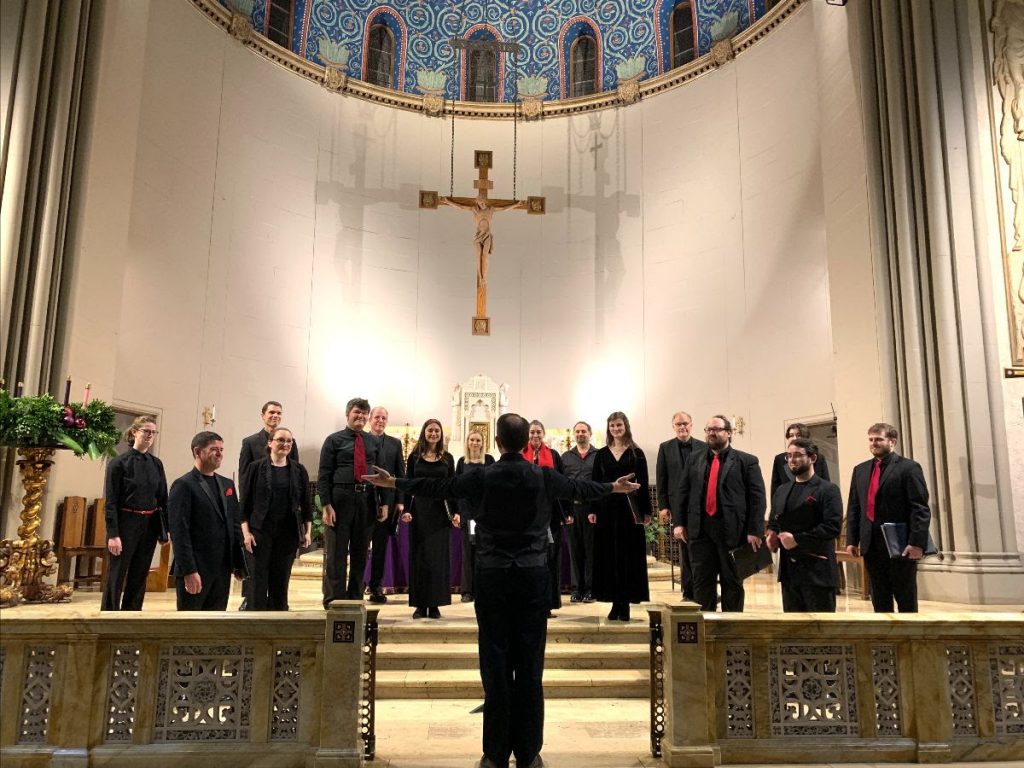 Emerging from a dispiriting silence of twenty months, Quire Cleveland raised its eighteen voices in bright music written in honor of the Virgin Mary on Saturday evening, December 4. The third and last performance of its program “Mary’s Song” took place in the impressive, marble-columned nave and resonant acoustic of St. Ignatius of Antioch Church on Cleveland’s West Side.
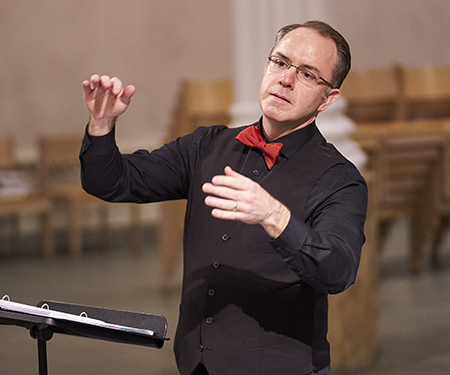 Quire Cleveland will resume live concerts this weekend, with three performances of the 11th edition of its annual Carols for Quire scheduled for December 2, 3, and 4 in great ecclesiastical spaces around the city.
 Quire Cleveland doesn’t box itself into one time period. True, the early music vocal ensemble sang a program of exclusively 16th-century music on February 28 at Cleveland’s St. John Cantius Church (the first of two performances). But the music’s inspiration was older, even while the performers’ sensibility was thoroughly new.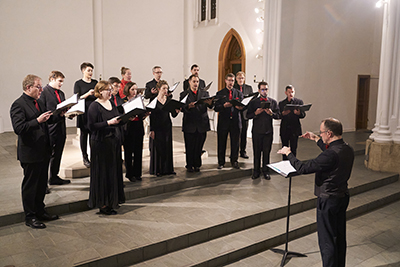
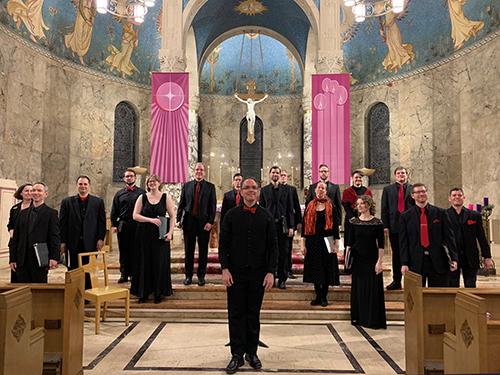 In Paris, 1534, Pierre Attaingnant published a book of motets that utilized the aptly named “O Antiphons.” His