
by Stephanie Manning
 This article was originally published on Cleveland.com
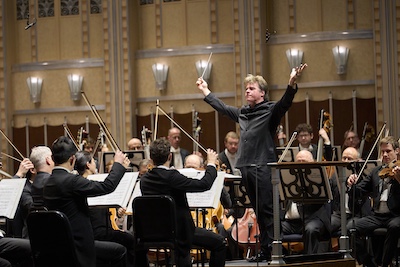
CLEVELAND, Ohio — During Jakub Hrůša’s first decade of Cleveland Orchestra appearances, the Czech conductor programmed a wide range of music, including works from his home country, cornerstones of the orchestral canon, and lesser-known gems. This weekend’s concerts feature all three.
On Thursday, March 5, after more than four years away from the Cleveland podium, Hrůša returned to Severance Music Center with music by Johannes Brahms, Bohuslav Martinů, and Vítězslava Kaprálová. Without a concerto, the program focused instead on the forms of the symphony and sinfonietta — as well as on the synergy between Hrůša and the Orchestra, which produced some very fine playing.

 This article was originally published on
 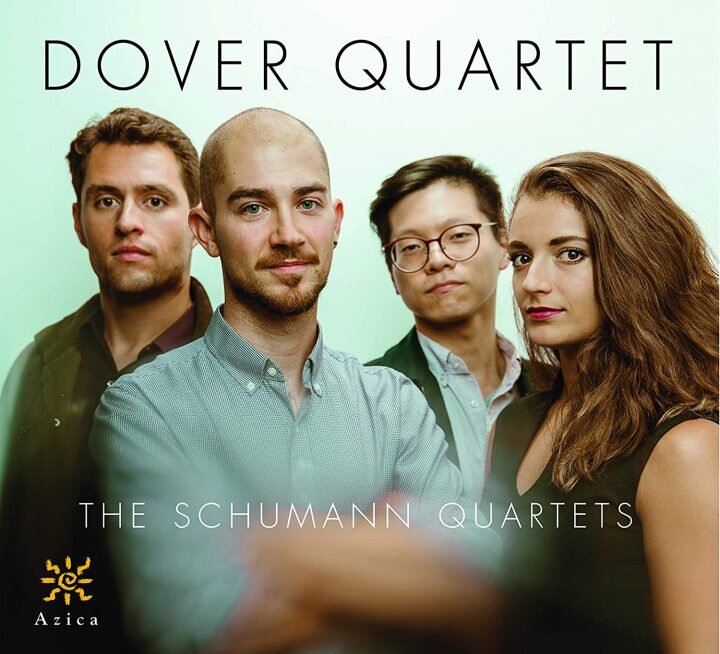 Robert Schumann wrote his three string quartets in a span of less than two months during the summer of 1842. We think of such intensely productive times as manic, especially for Schumann, who is now thought to have suffered from bipolar disorder. But in some ways, the music of Op. 41 belies that.
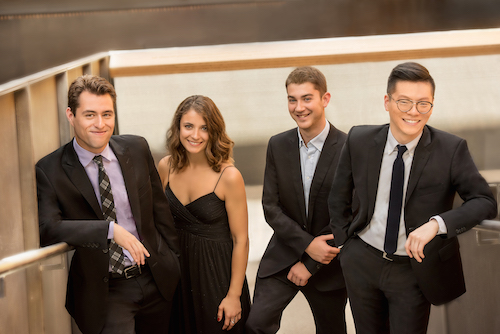 On Tuesday, December 3 at 7:30 pm at Plymouth Church, the Dover Quartet will return to the Cleveland Chamber Music Society bearing a healthy, six-week-old piece of music by David Bruce alongside works by Britten and Brahms.
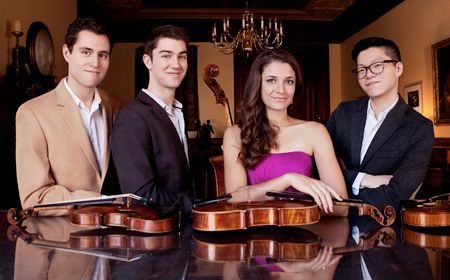
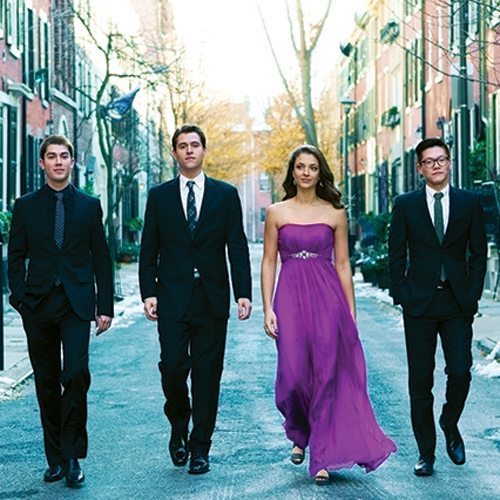 Since winning the grand prize and three special prizes at the 2013 Banff International String Quartet Competition, the Dover Quartet — Joel Link and Bryan Lee, violins, Milena Pajaro-van de Stadt, viola, and Camden Shaw, cello — have quickly risen to the forefront of young, internationally touring string quartets. Following that 2013 breakthrough, the ensemble has added to their resume a Cleveland Quartet Award, a Lincoln Center Emerging Artist Award, and most recently an Avery Fisher Career Grant.