


by Daniel Hathaway
 Violinist Leila Josefowicz had already performed John Adams’ Scheherazade.2 more than 50 times before she and the composer brought the piece to The Cleveland Orchestra for Severance Hall performances last weekend. More than merely having the nearly hour-long concerto under her fingers, Josefowicz has it under her skin, and the work was the highlight of the evening on Friday, November 30. [Read more…]
 In some cases, a compelling background or story is at least half the appeal of a piece of music — and John Adams’
 The Elgar concerto was on the agenda for Cleveland native and international cello heroine Alisa Weilerstein’s most recent homecoming. On Thursday evening at Severance Hall, Weilerstein put her individual stamp on that iconic work in a penetrating and daring performance with The Cleveland Orchestra and Giancarlo Guerrero.
 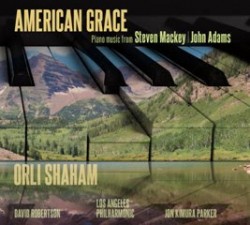 Of all instrumentalists, pianists seem to commission and perform new works the least often. The repertoire for the piano is already so vast and worthy that many performers see no need to add to it. Why even play pieces from the past half-century, when there is so much great, neglected, earlier music?