
by Mike Telin
 In the first half of the 20th century, Cleveland was home to some of the most visionary and adventurous artists the United States has ever produced.
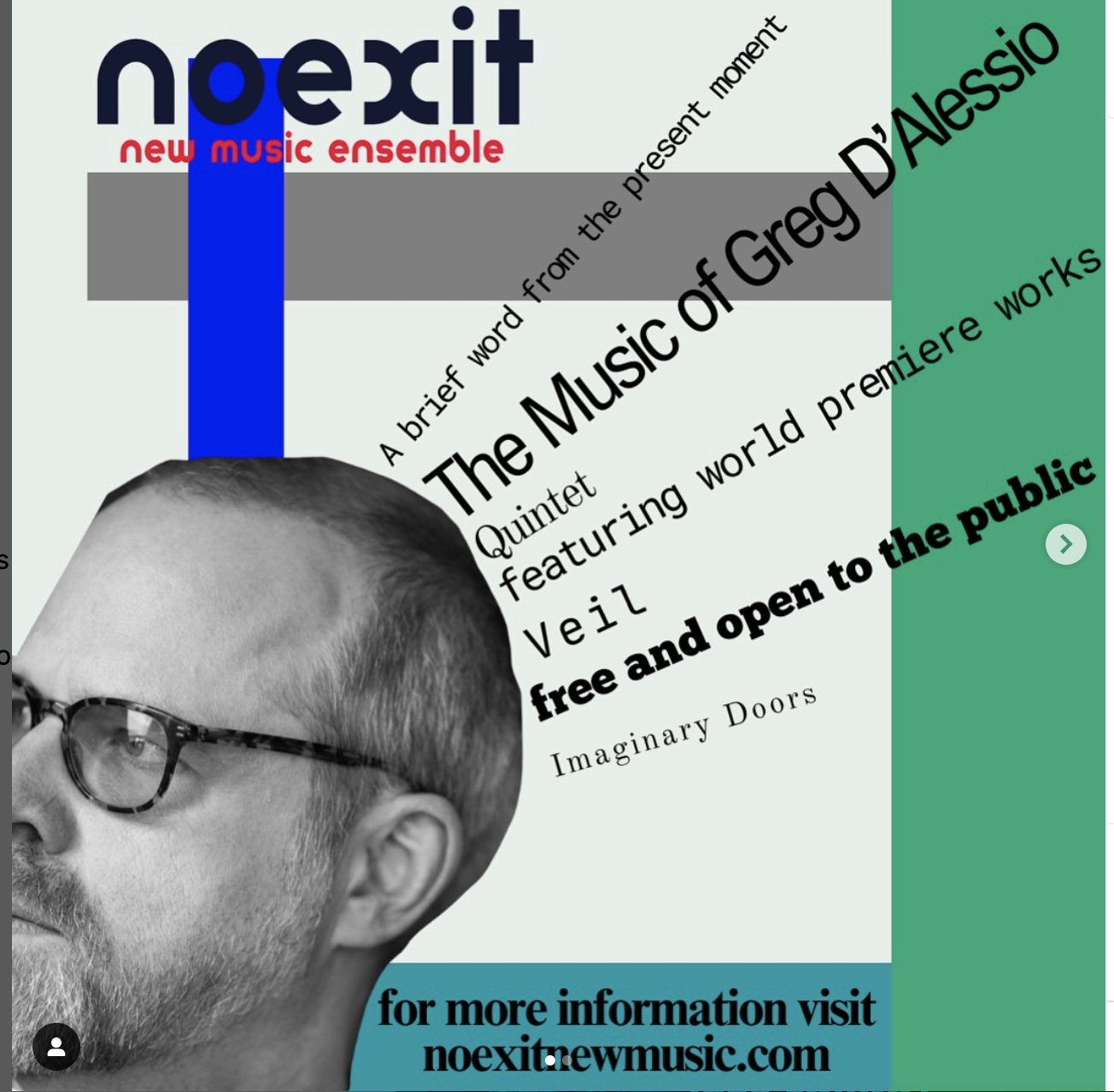
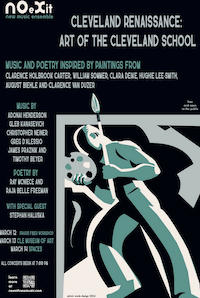
This week No Exit will present “Cleveland Renaissance: Art of the Cleveland School.” The program celebrates Cleveland School artists Clarence Holbrook Carter, William Sommer, Clara Deike, Hughie Lee-Smith, August Biehle, Clarence Van Duzer, and Charles Sallée. Their art has served as inspiration for new works by composers Adonai Henderson, Gleb Kanasevich, Christopher Neiner, Greg D’Alessio, James Praznik, and Timothy Beyer, along with new poetry by Ray McNiece and Raja Belle Freeman.
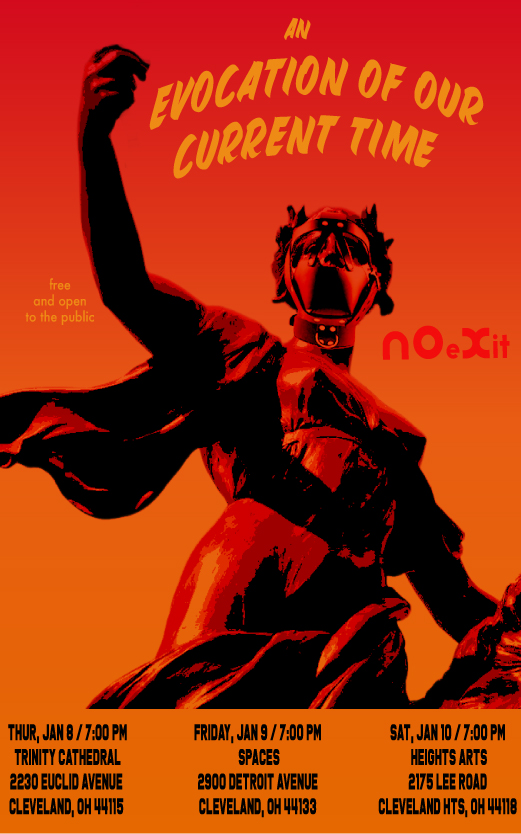
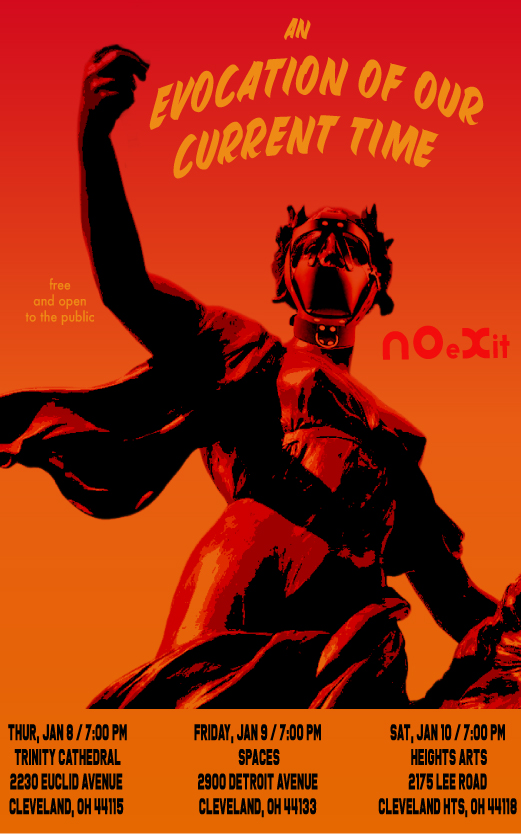
Performances begin on Thursday, March 12 at 7:00 pm at Praxis Fiber Workshop, 15301 Waterloo Rd., Cleveland. The program will be repeated on Friday, March 13 in Gartner Auditorium at the Cleveland Museum of Art, 11150 East Blvd., Cleveland (reserve free tickets online), and Saturday, March 14 at SPACES, 2900 Detroit Ave., Cleveland. All concerts are free.
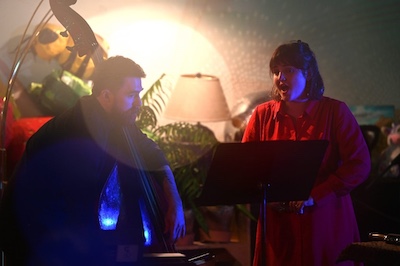
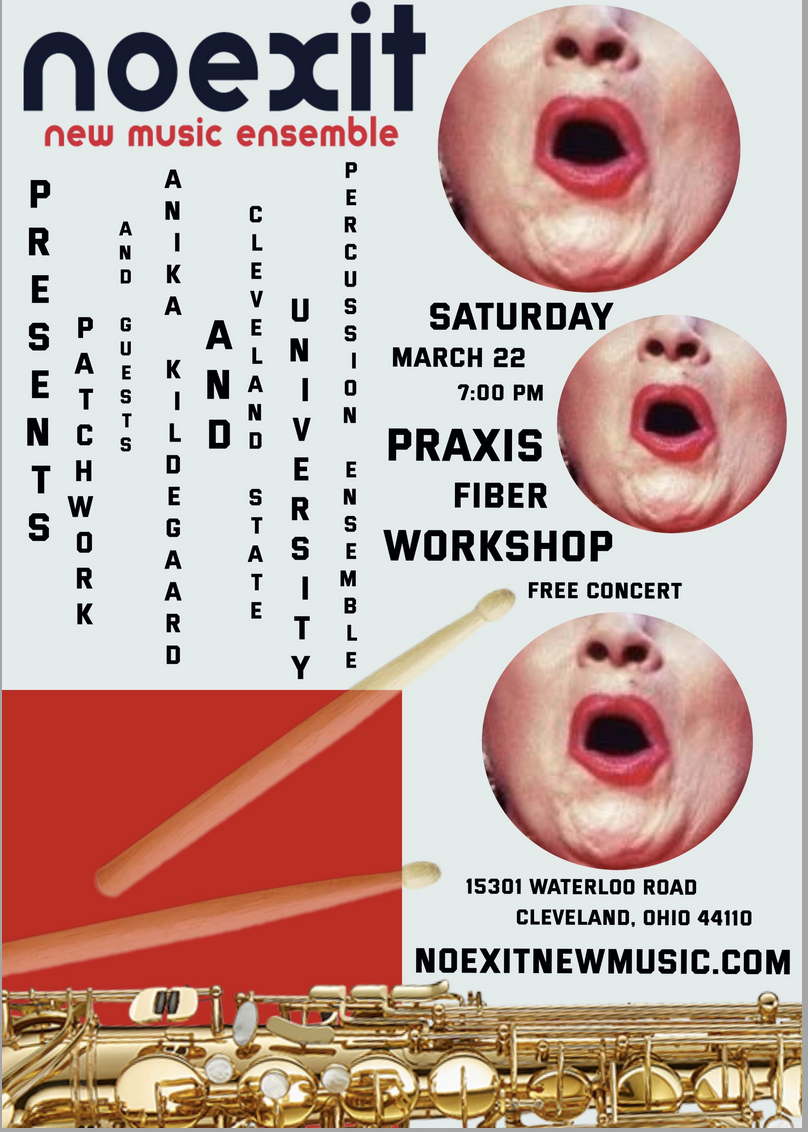
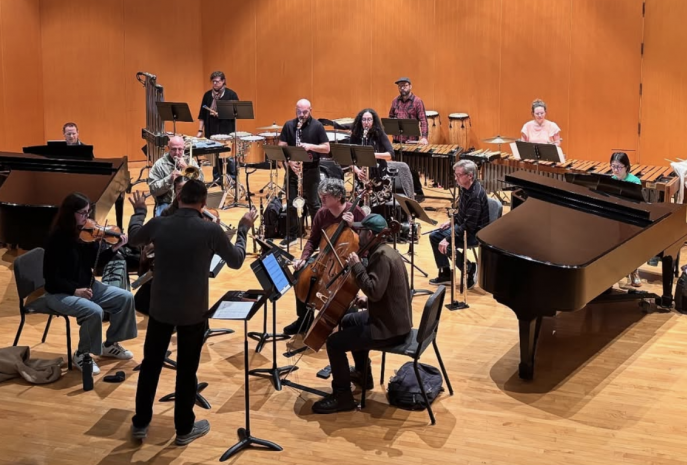 There was not an open seat to be had at Praxis Fiber Workshop on Saturday, October 25 when the adventurous new music ensemble No Exit began their 17th season with a program of four thoroughly engaging works.
 On Wednesday, May 28, a collaboration between No Exit and The Collective at the Cleveland Museum of Art’s Gartner Auditorium testified to the merits of exploring fresh musical terrain — in the end offering rewards for both the sympathetic listener and those less easily persuaded.
 Big things are happening for the innovative new music ensemble No Exit. In June they will embark on a two-week European tour that will include stops in Greece, Italy, Poland, and the Netherlands.