



by Peter Feher
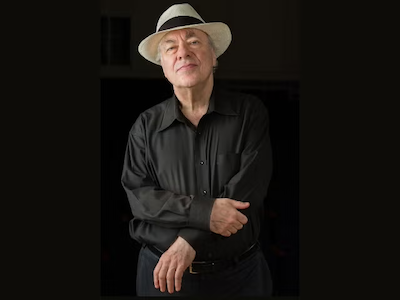 Life is too short to take the opening repeat in Franz Schubert’s Piano Sonata in B-flat, D. 960. The first movement — marked Molto moderato, or “very moderately” — already clocks in at around 15 minutes, even without hearing the entire exposition twice.
Of course, purists will play up those few transitional bars that Schubert crafted to lead back to the beginning, which would be cut in a straight-through performance. The composer’s overall conception is supposedly lost if the strict symmetry of sonata form isn’t upheld.
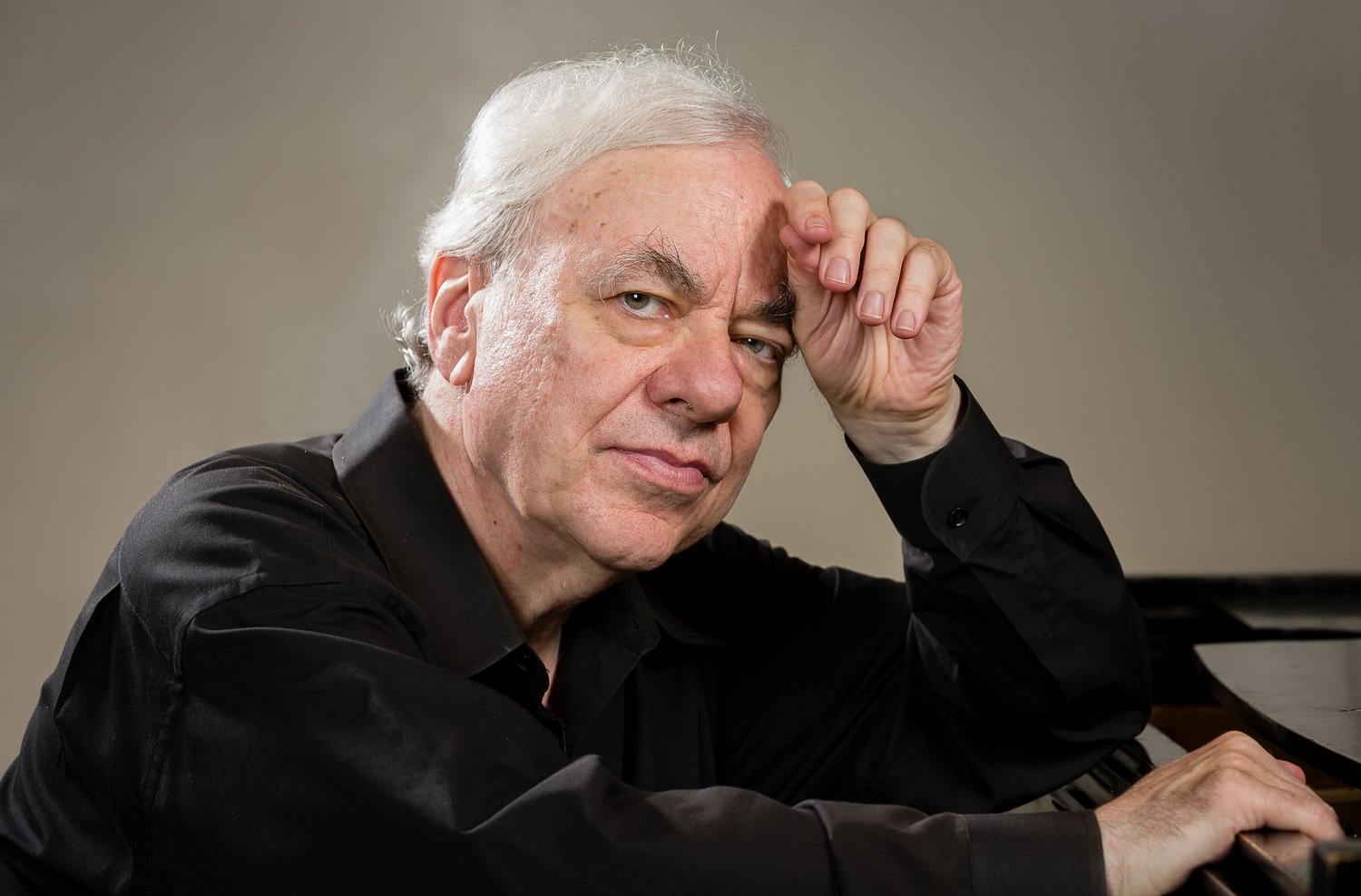
Such arguments are no match for pianist Richard Goode, who gave an authoritative account of the work — sans repeat — for the final concert of this season’s Oberlin Artist Recital Series. Goode offered an interpretation borne of age and experience, qualities that were in evidence throughout his solo program on Wednesday evening, April 29, in Finney Chapel.
 Reposted with the permission of Oberlin Conservatory
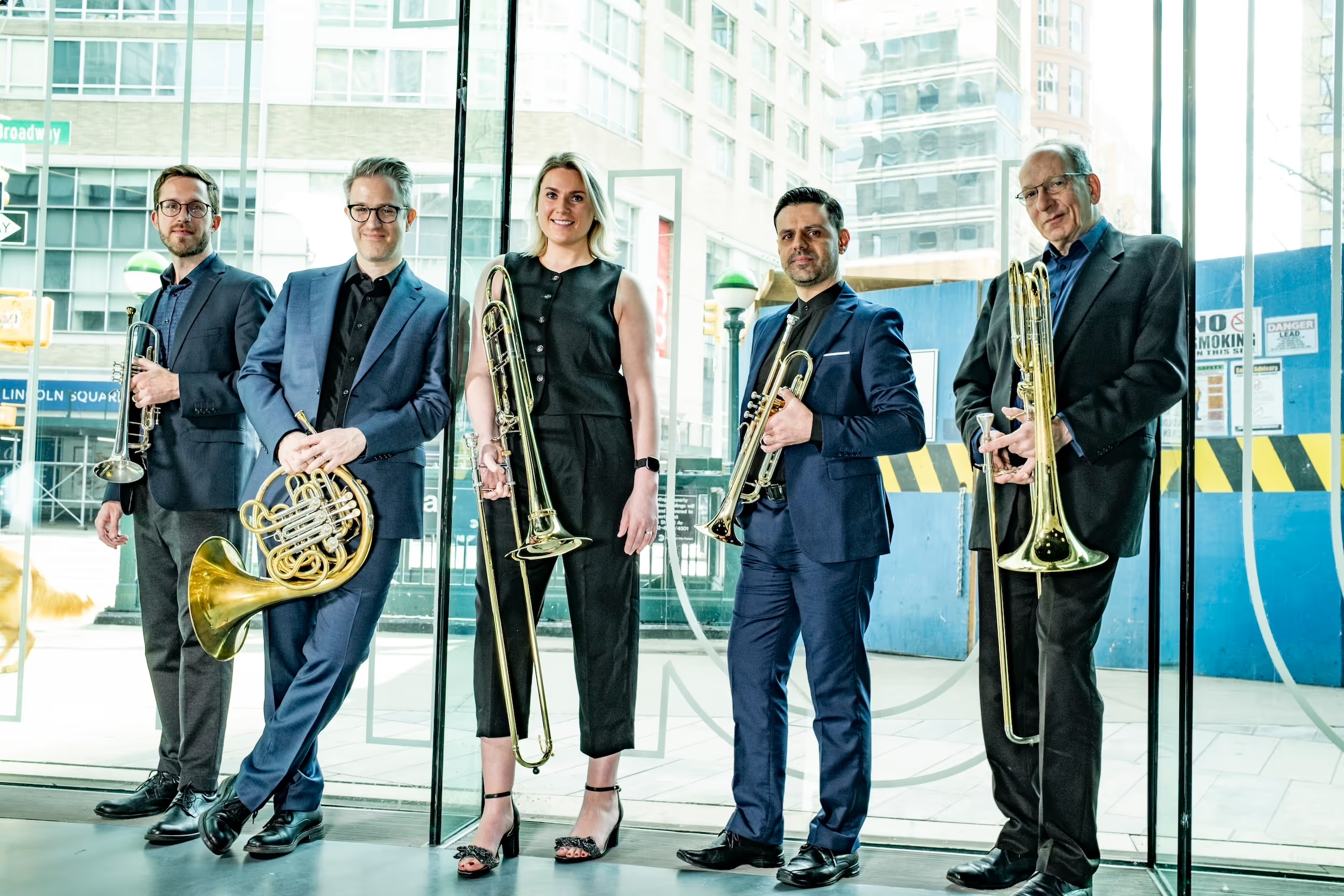 On Friday, February 20 in Oberlin’s Finney Chapel, the American Brass Quintet reasserted its long-standing theory that five brass instruments can sustain an evening with the seriousness of a string quartet.
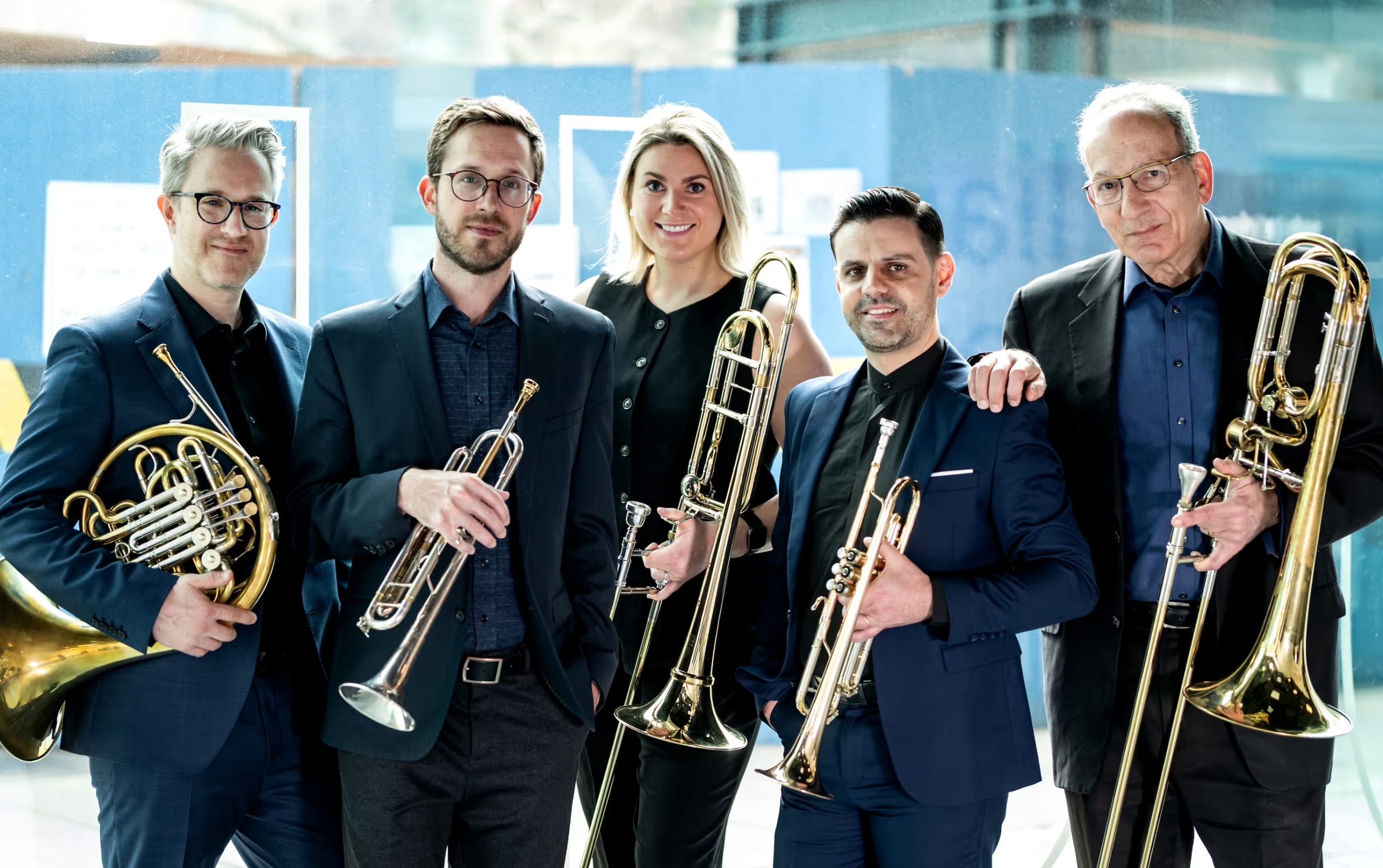 With more than 65 years as an ensemble under their belt and a commitment to commissioning new works, the American Brass Quintet has a lot of repertoire to choose from. “We’ve got such an extraordinary wealth of music,” bass trombonist John Rojak said. For at least the past 15 years, “every piece that has been coming in is one we want to keep playing.”
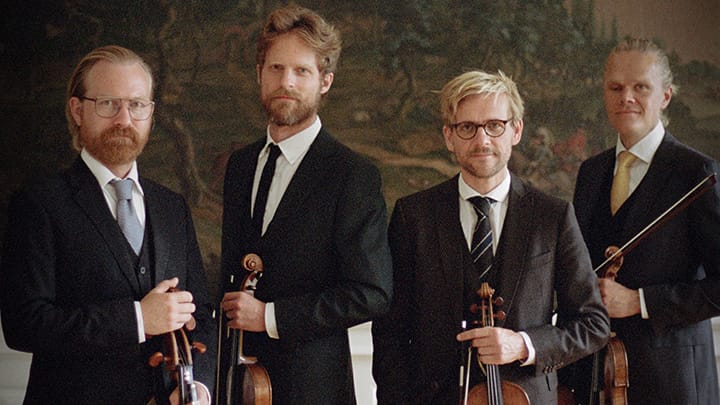 These days, the Danish String Quartet keep their touring schedule simple. Arrive in a new city in the morning, play a concert in the evening, and repeat. That’s not because the group doesn’t like exploring new places — it’s because they’ve got little ones waiting at home.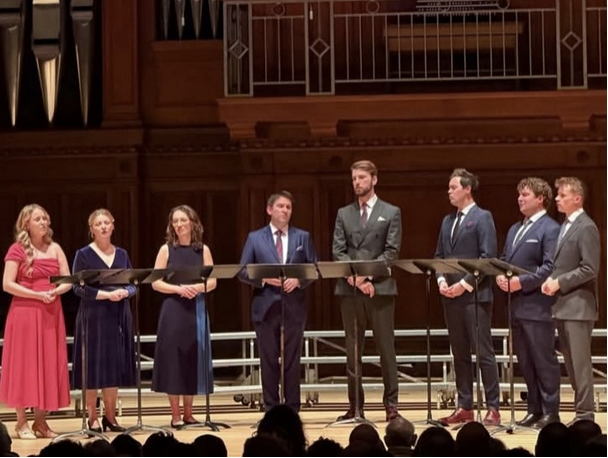
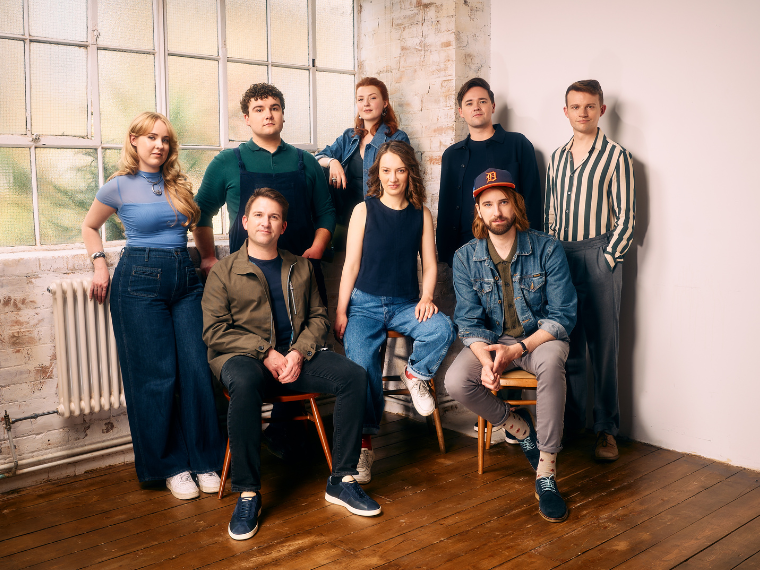 Reposted with the permission of Oberlin Conservatory
 Reposted with the permission of Oberlin Conservatory