by Nicholas Stevens
 Art often transcends without trying, remaining rooted in its specific regional, topical, or historical niche yet appealing well beyond. A humble central-German cantor became Bach, an observer of social posturing in a narrow slice of the gentry became Austen, an aerosol virtuoso known to tag lower-Manhattan walls became Basquiat.
Northeast Ohio’s Les Délices has long been that rarest of beasts: a world-class organization so proud of its region (ours) and repertoire (distinct niches in pre-1800 music) that it never tries to be everything to everyone, paradoxically making a strong case for a broad, curious international following. In the December episode of its SalonEra series, the ensemble embraces its strengths and community to marvelous effect. [Read more…]
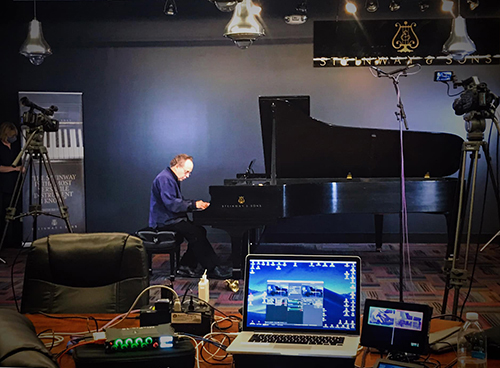 Music From The Western Reserve concerts always fall on Sunday, even as streams. December 13 was therefore as close to Beethoven’s likely birthdate on the 16th as the presenters could come to throwing a virtual party. Debuting their stream before that occasion made little difference in the concert’s power: over a week later, pianist Daniel Shapiro’s stunning interpretations remained lodged in this reviewer’s mind. As social media lit up with tributes and music-lovers around the world raised a glass, Shapiro’s MFTWR video remains on YouTube, where those interested can still listen and learn what it means to truly engage with Beethoven.
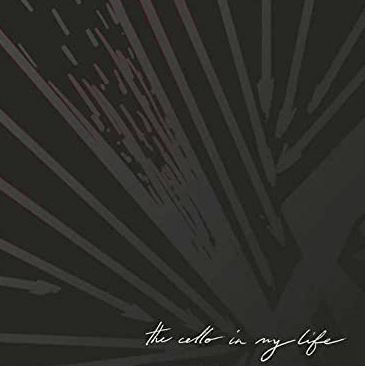 Steuart Pincombe, known to Northeast Ohioans as a magisterially bearded baroque cellist and viola da gamba player affiliated with Apollo’s Fire and Les Délices, seems to embody the accidental double-meaning of the acronym H.I.P. Historically informed performance meets millennial cool in the form of this off-the-grid farmer known for playing Bach in breweries. In time for the holidays, Pincombe has released a debut album titled
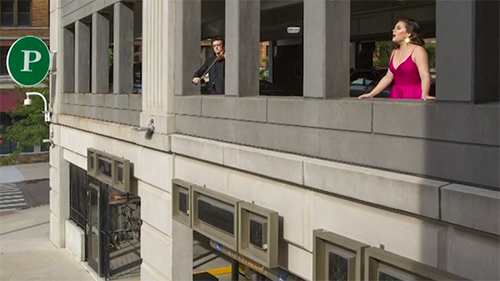
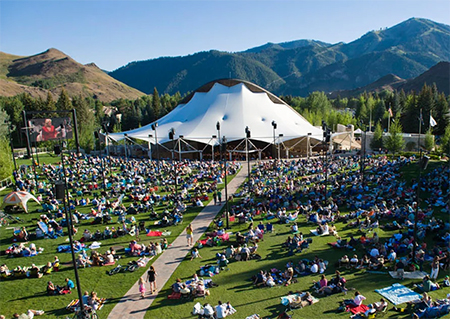
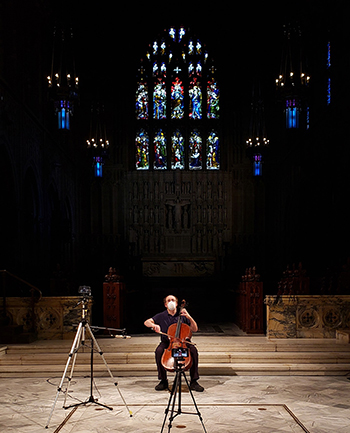 Would it matter if the best-ever performance of Bach’s Suites for solo cello took place in a cinder block closet with no one listening? The question, which one could safely and simply answer “no,” may seem like a dull retread of the classic “if a tree falls…” formula. However, it raises a question of its own: how much can the venue and framing of a performance do to elevate a musical experience?
 “
“