


by Peter Feher
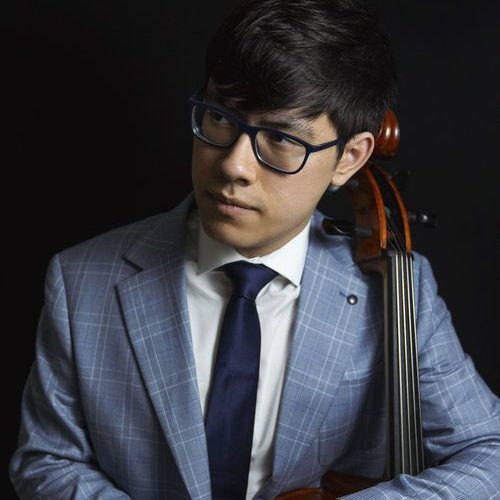 The Cleveland Orchestra put together an intricate and intriguing musical puzzle on July 22 at Blossom Music Center. Each piece on the brilliantly balanced program — which showcased the sensibilities shared by 20th-century composers in France, the Soviet Union, and Japan — held the key to understanding and appreciating the others.
The Orchestra, guest conductor Kahchun Wong, and the evening’s soloist, cellist Zlatomir Fung, (left) were more than up to the task of fitting it all together. Spareness, precision, and sensitivity to detail were the features uniting the mix of repertoire, and the musicians gave superb performances where not a note was wasted.
Claude Debussy’s La mer is a study in symphonic texture — all the more beguiling because the composer was not, by usual standards, a master orchestrator. [Read more…]

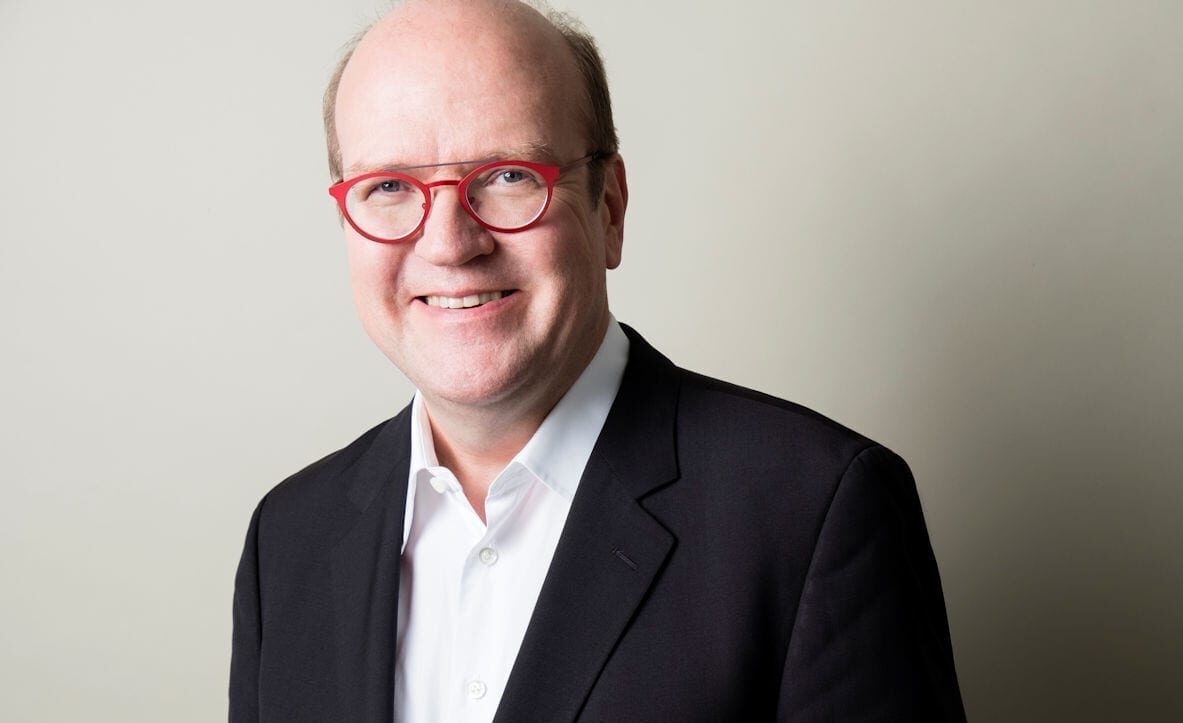
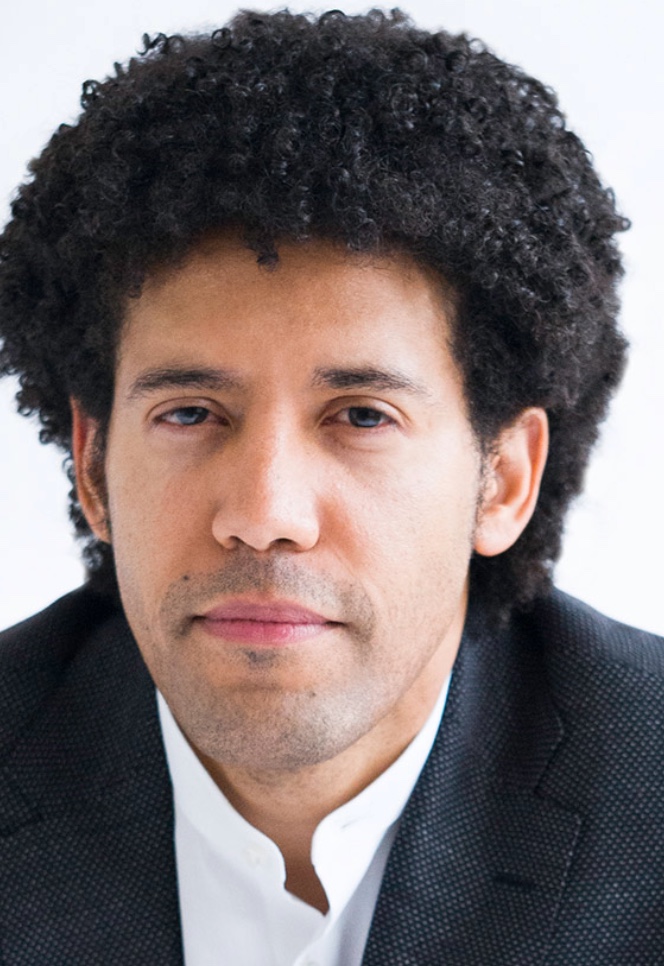
 Clarinetist Anthony McGill brought star power to the Cleveland Chamber Music Society on March 28. In a concert that was all about singing — that, in fact, included two pieces with soprano — McGill stood out as the most prominent voice.
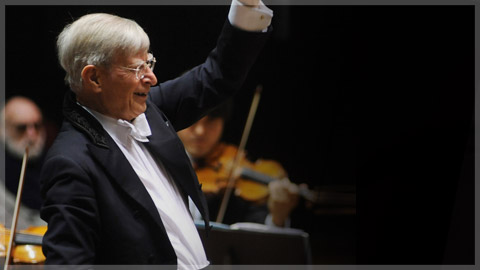 There are few music directors who know Beethoven better than Herbert Blomstedt. Now 95 years old, the Swedish-American conductor has a lifetime of serious study and performing experience to draw on, but this isn’t to say his interpretations are set in stone.
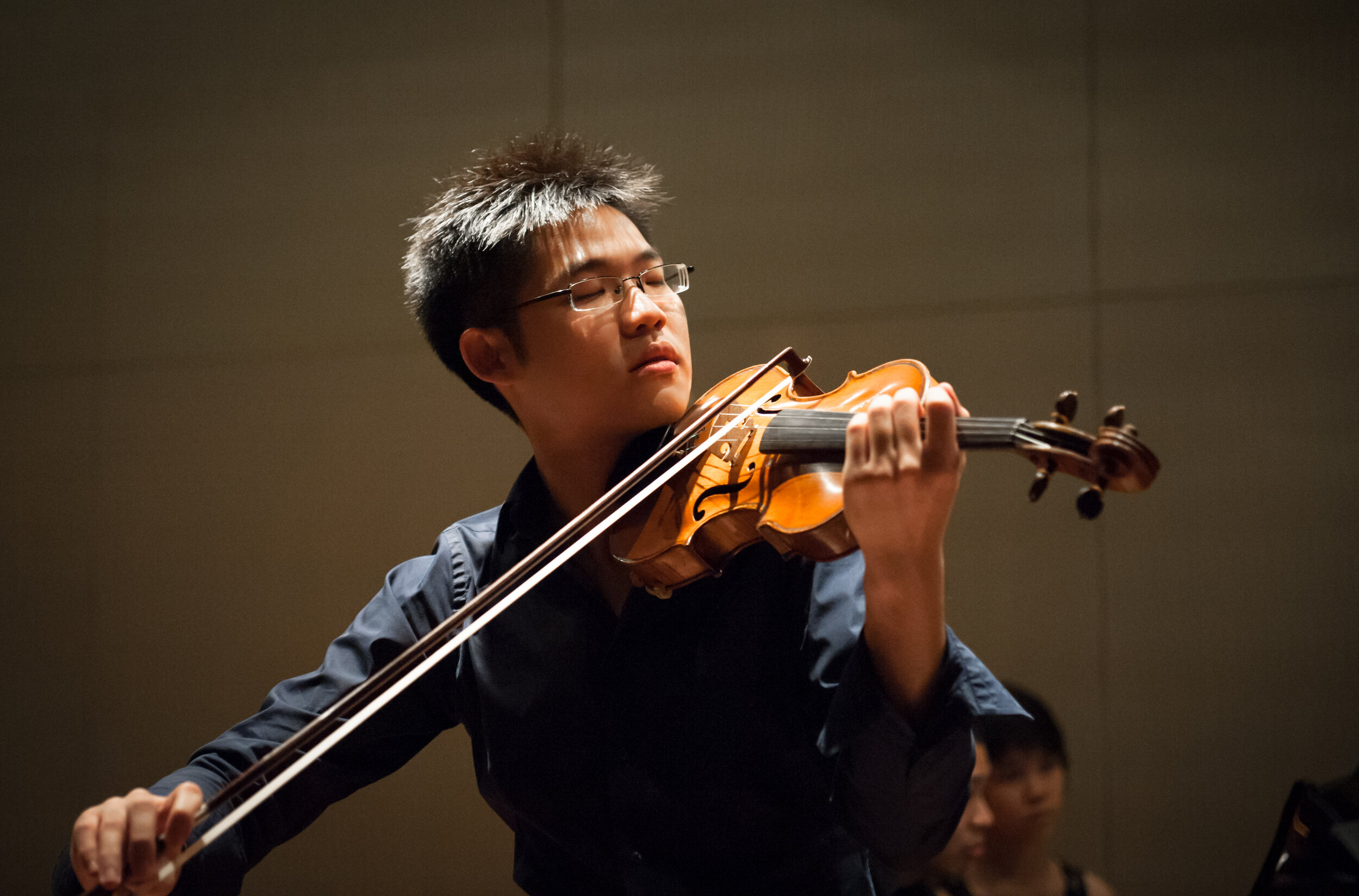 Longtime fans of Apollo’s Fire might think they’ve heard everything possible from Cleveland’s Baroque Orchestra, but they should have another listen. A fresh lineup of musicians and a largely unfamiliar set of composers were featured in the group’s concerts this month, making for an exciting evening with just a hint of trial and error.
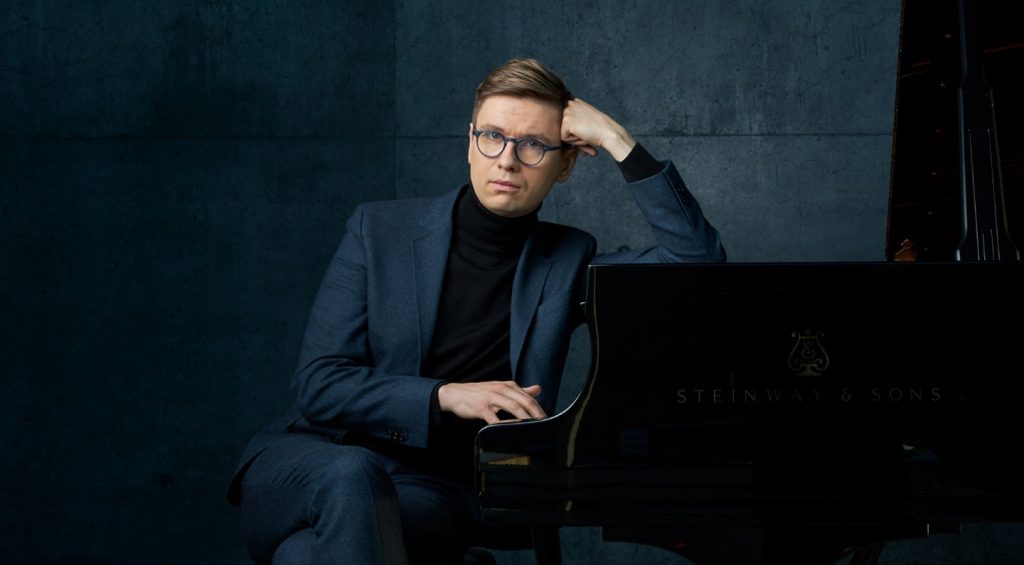 Mozart got top billing on pianist Víkingur Ólafsson’s November 30 recital in Reinberger Chamber Hall, but another composer should have had the honor. Haydn’s musical sensibility was the key to understanding the bold claims and idiosyncratic style of the evening’s program, “Mozart and Contemporaries.”
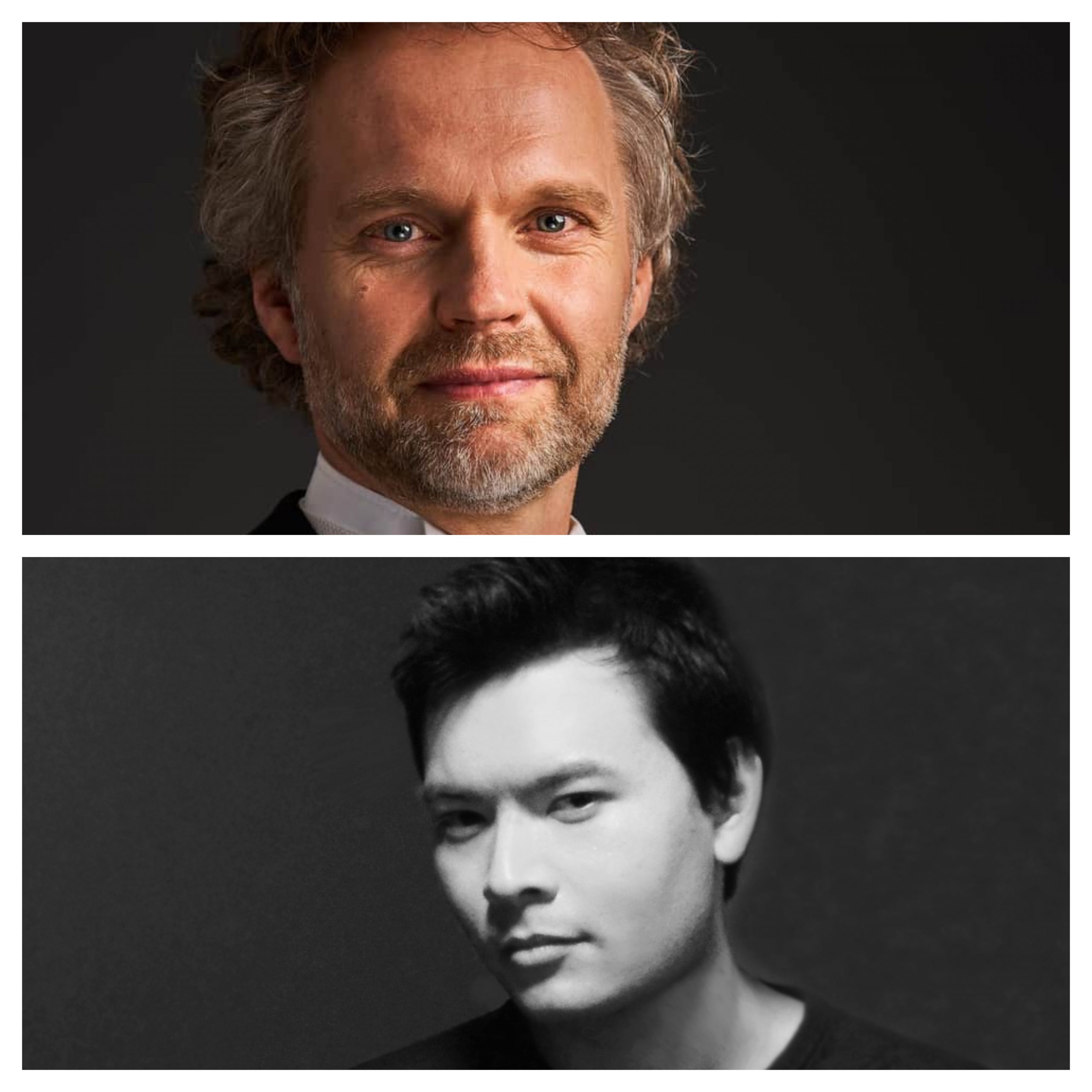 The Cleveland Orchestra started settling into their holiday routine over the weekend. Blockbuster pieces are always on the schedule at Severance Music Center after Thanksgiving, and the crowd-pleasing program on Friday, November 25 was no exception.
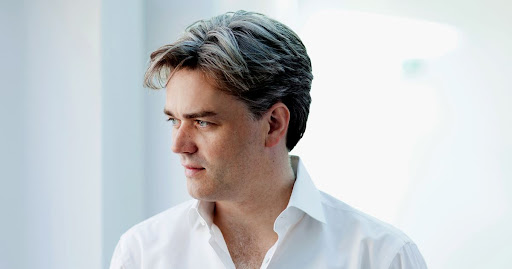 From his first moments on the podium, Edward Gardner seemed entirely at home in Severance Music Center. The English conductor made his debut with The Cleveland Orchestra the other Thursday, but you wouldn’t have known it from his ease with the ensemble and the general calm of the program.