

by Cathy Partlow Strauss
This article is posted with the permission of the author and Oberlin Conservatory
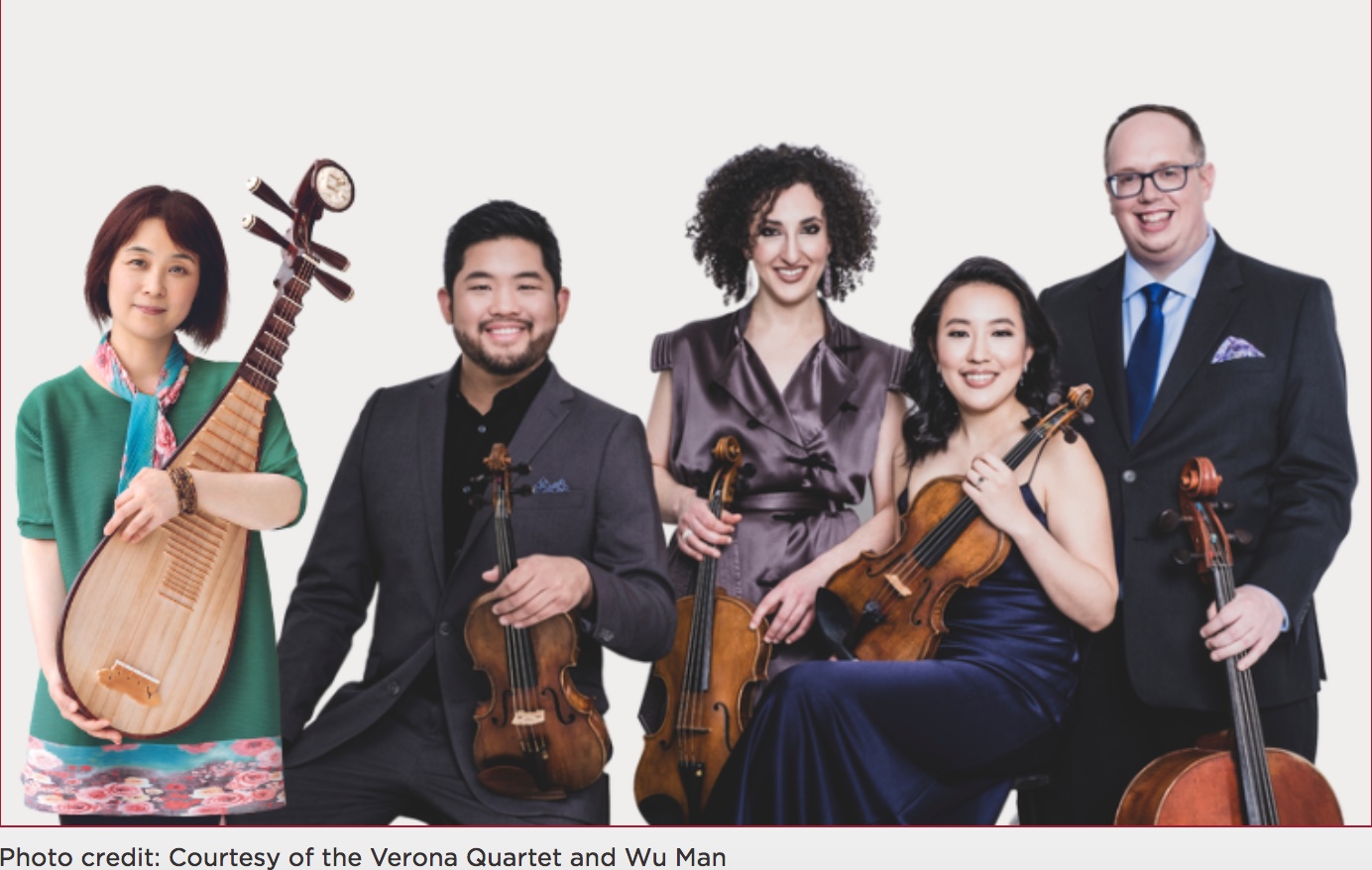
The pipa is not an instrument on which students at Oberlin Conservatory perform, but the lute-like instrument developed in China more than 2000 years ago is influencing increasingly more concert music found on stages throughout the world.
This is due in large part to the artist Wu Man, recognized as the world’s premier pipa virtuoso and a leading ambassador of Chinese music. She’ll be in residence at Oberlin February 24-25 and take part in three events across campus that culminate in a concert with Oberlin College quartet-in-residence, the Verona Quartet. All events are free and open to the public.
Wu Man has carved out a career as a soloist, educator, and composer, giving the pipa a new role in both traditional and contemporary music. The creative projects she has initiated have resulted in the instrument finding a place in numerous musical settings and genres, as well as in collaborations in theater productions, film, dance, and with visual artists.
Born in Hangzhou, China, Wu Man was an early trailblazer. She was hailed as a child prodigy at age 13 and went on to earn the first master’s degree in pipa the Central Conservatory of Music in Beijing. She moved to the U.S. in 1990 and was awarded a Bunting Fellowship at Harvard Radcliffe in 1998.
Since then, she has performed as a soloist with many of the world’s major orchestras and is the leading interpreter of contemporary pipa music written by composers including Philip Glass, Terry Riley, Tan Dun, and Bright Sheng.
Her notable career has also been marked by several “firsts.” She was the first Chinese traditional musician to receive the United States Artist Fellowship and the first artist from China to perform at the White House. In 2013, she was named Musical America’s Instrumentalist of the Year.
She is a founding member of the Silkroad Ensemble and is a frequent collaborator with ensembles such as the Kronos and Shanghai Quartets.
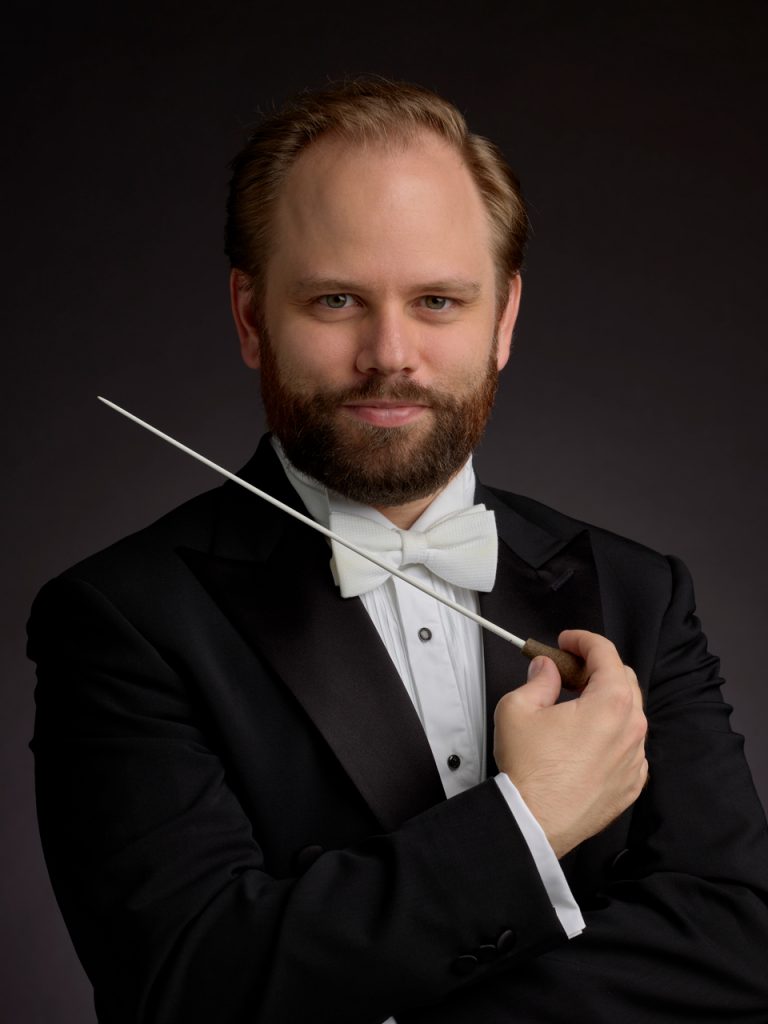 What are the duties of an assistant conductor of a major orchestra? “Every day is an experience,” Daniel Reith said during a recent telephone conversation. Since assuming that position with The Cleveland Orchestra this season, Reith has had a lot on his plate. In addition to his involvement with numerous educational activities, he has led the Orchestra’s family concerts and the annual Martin Luther King Jr. Celebration Concert. Earlier this month he stepped in on very short notice for an ailing Klaus Mäkelä to lead three subscription concert performances.
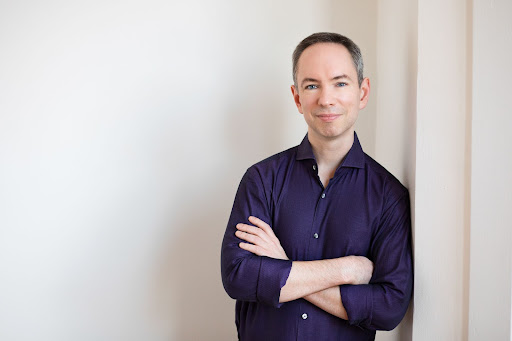 The next pair of concerts by Cleveland Chamber Choir this weekend will be led by Gregory Ristow, associate professor of conducting and director of vocal ensembles at Oberlin Conservatory, who has been appointed acting artistic director of the ensemble following the mid-season announcement of founding director Scott MacPherson’s retirement.
 What is it about the central German city of Weimar that has inspired so many important artists, musicians, poets and philosophers?
 How do musicians — who spend their lives giving concerts — go about raising funds for worthy causes? They give concerts, of course, as seventeen faculty members and students at the Cleveland Institute of Music will do on February 13 at 7:30 pm in CIM’s Mixon Hall to benefit the Cleveland Kosher Food Pantry.
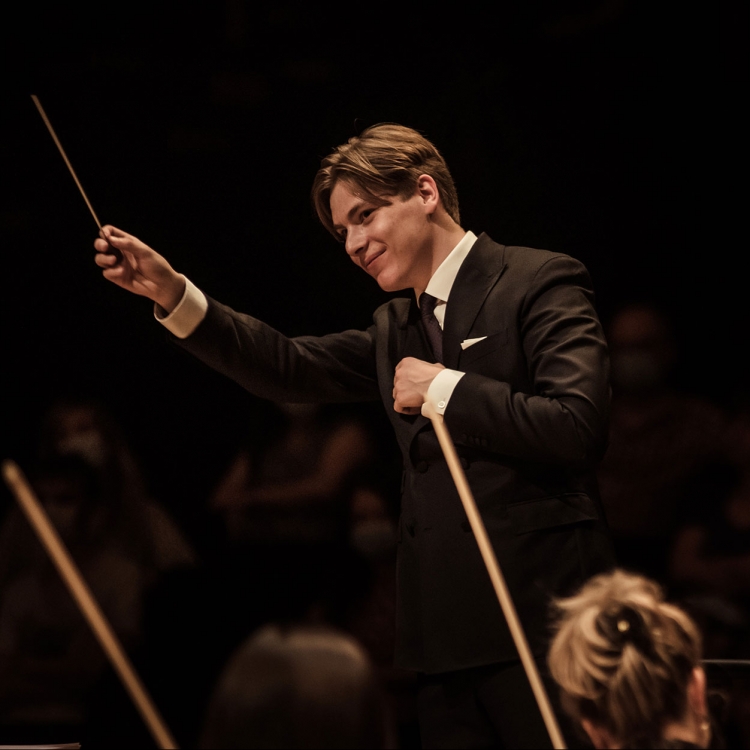 After an illness forced Klaus Mäkelä to withdraw from three of the four scheduled performances last week, the Finnish conductor will return to The Cleveland Orchestra podium on Thursday, February 9 at 7:30 pm at Severance Music Center. The program will include Unsuk Chin’s SPIRA – Concerto for Orchestra and Gustav Mahler’s Symphony No. 5, and it will be repeated on Saturday at 8:00 pm. Tickets are available
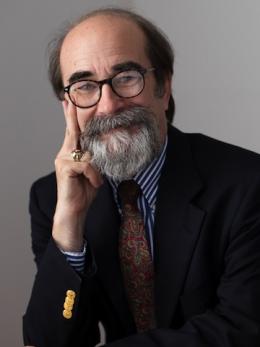 Forming a small vocal ensemble was something that Steven Plank had wanted to do for a long time. And when a surge in COVID cases forced him to reduce the number of singers in the choir at St. Paul’s Episcopal Church, the opportunity arose. “We began doing the liturgy with just eight singers,” Plank said during a telephone conversation. “We were having such a good time that one Thursday evening I asked if they would like to do some concerts. And they all said yes.”
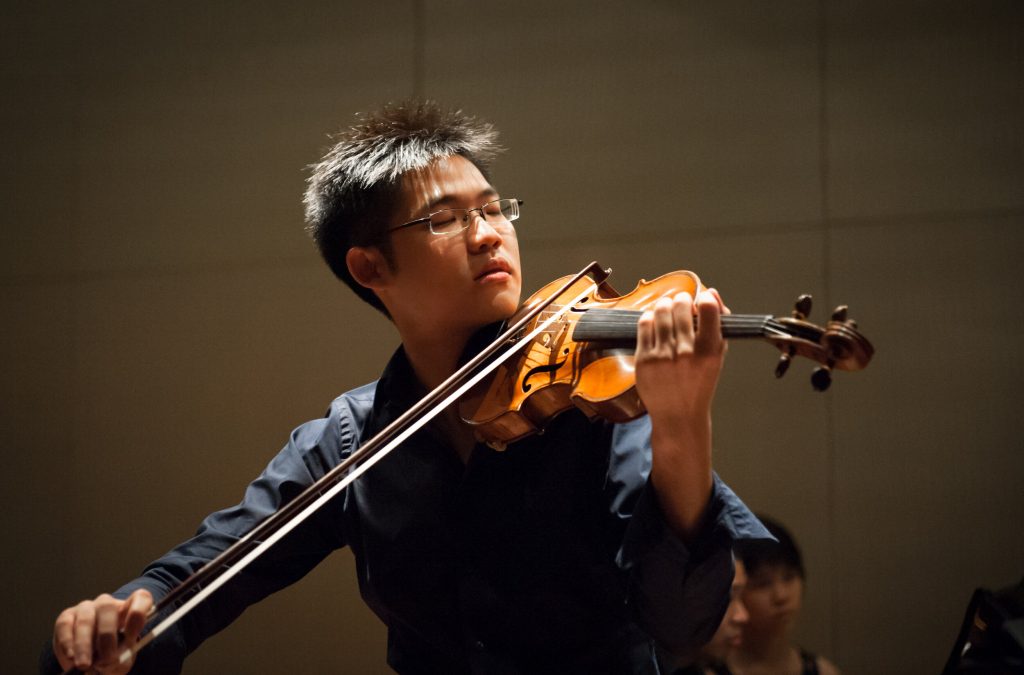 Most people who work multiple jobs have to factor commuting time into their schedules, but Apollo’s Fire concertmaster
 If you were to ask just about any musician why they enjoy playing chamber music, they will tell you that it’s because they get to make music with people they enjoy. Case in point, the Butler Trio — Sandy Yamamoto (violin), Joshua Gindele (cello), and Colette Valentine (piano).