


by Daniel Hathaway
 When British musicians have needed a piece of memorial music, their choice since the turn of the 20th century has often been the “Nimrod” movement from Edward Elgar’s Variations on an Original Theme, or Henry Walford Davies’ A Solemn Melody.
Since 1935 when it was born as the second movement of his Op. 11 String Quartet, Americans have frequently turned to Samuel Barber’s Adagio for Strings, a piece the composer later texted with the words of the Agnus Dei and re-published for unaccompanied chorus.
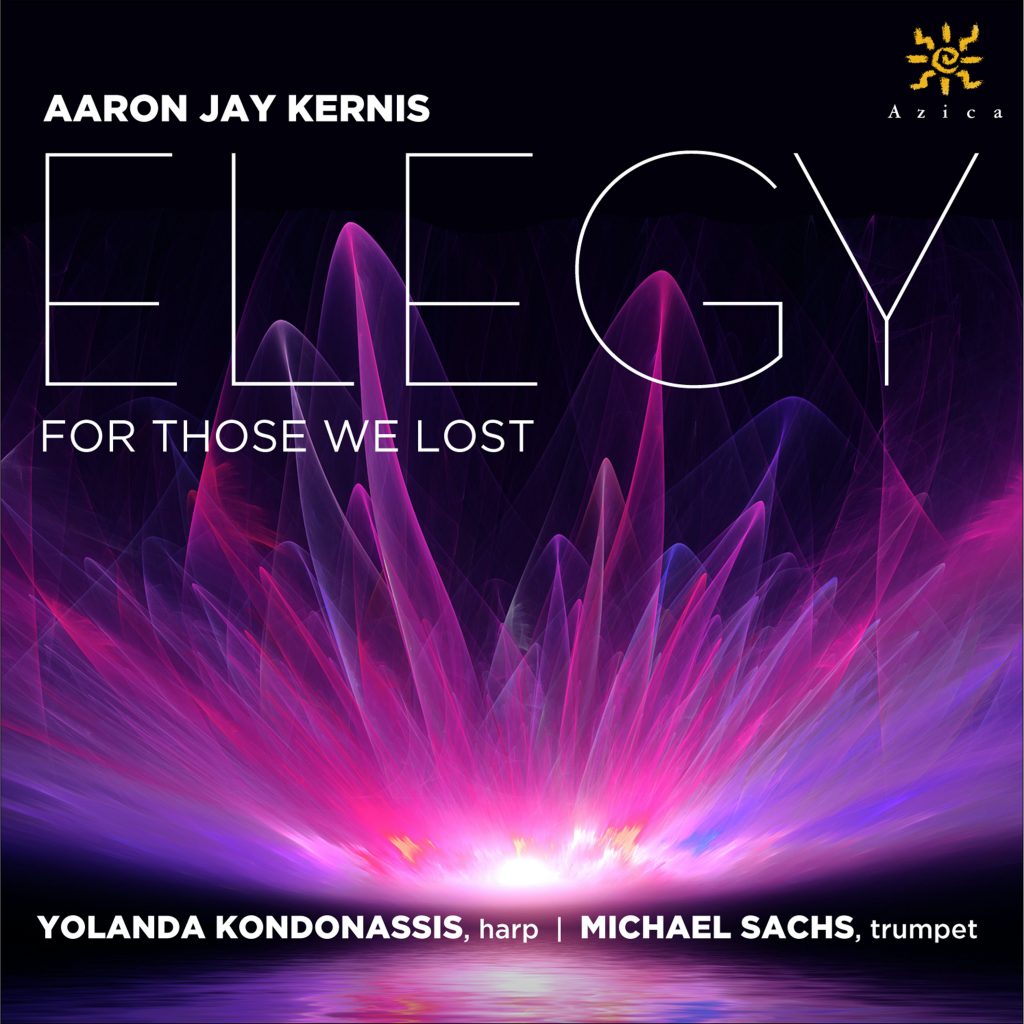
A more recent and very personal entry into the category of musical laments is Aaron Jay Kernis’s Elegy…for those we lost, originally a piano piece composed after the composer had contracted and recovered from COVID-19.
He has written, “I strived to create music to counterpoint the terrible pandemic and honor the dead — to try to give some measure of solace to families by sharing a personal expression of grief.” [Read more…]
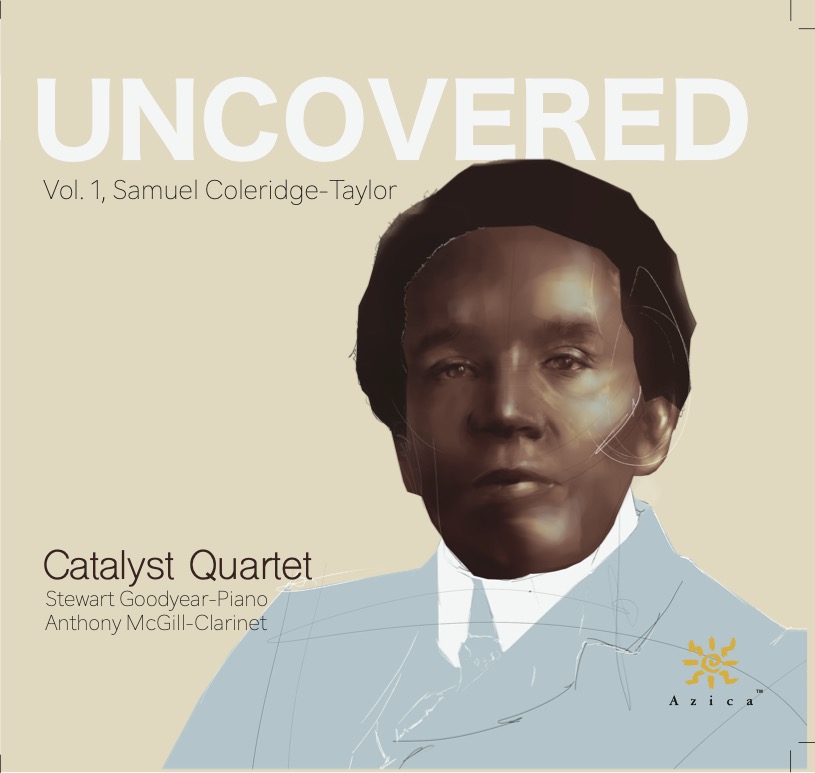 If an album has a musical half-life, which we’ll define here as the amount of time its impact will remain to be felt, it’s likely longer than that of a concert performance. So in order for the classical music world to diversify in a lasting way, programming has to change not only on the concert stage, but also in the recording studio.
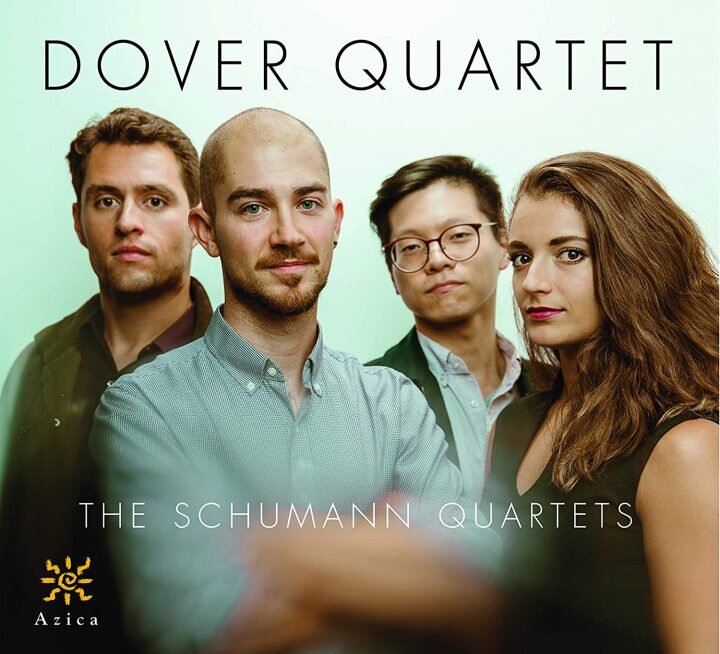 Robert Schumann wrote his three string quartets in a span of less than two months during the summer of 1842. We think of such intensely productive times as manic, especially for Schumann, who is now thought to have suffered from bipolar disorder. But in some ways, the music of Op. 41 belies that.
 There are few recordings that provide as much listening pleasure as guitarist Jason Vieaux’s and the Escher Quartet’s

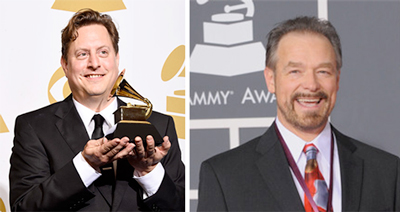
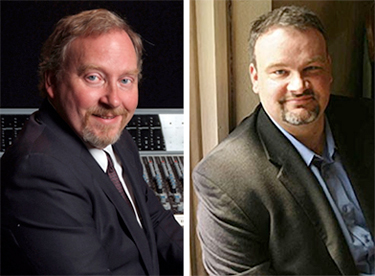 On Sunday, February 8, the 57th Grammy Awards will be presented in Los Angeles. ClevelandClassical.com wishes the best of luck to all the Northeast Ohio nominees.