by Mike Telin
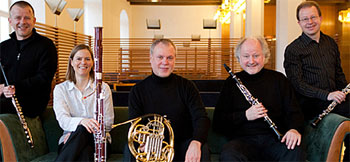
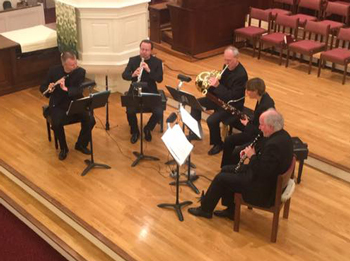 If you follow the stream of distinguished chamber music ensembles that tour Northeast Ohio each year, you get the feeling that many of them are making the area their second home. However, when the Berlin Philharmonic Wind Quintet made their fifth appearance on the Cleveland Chamber Music Society series on February 8, their splendid, refined performance made you wish they would come through town more often. [Read more…]

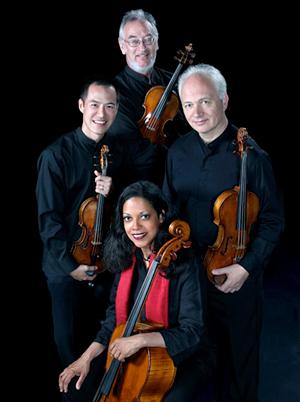 For its 67th season, the Cleveland Chamber Music Society will present its customary lineup of seven world-class chamber music groups — plus a young artists showcase and a young artists competition. You won’t see the names of any new ensembles on the roster for 2016-2017, but there’s a major personnel change and an interesting realignment of musicians that will be of primary interest to chamber music lovers.